Recycled balls are worth it. Refurbished balls usually are not — and the two words mean completely different things. A recycled ball is a used ball that has been found, washed and graded. A refurbished ball has been stripped, repainted and re-stamped, and that process can change how it performs. Buy recycled; be skeptical of refurbished.
The distinction that decides the answer
Every used ball sold online falls into one of two categories, and sellers are not always careful about which word they use.
- Recycled (or "used", or "lake balls"). Collected, washed, graded by cosmetic condition and sold as-is. The cover, core and dimple pattern are untouched. This is the good kind.
- Refurbished. The original paint and clear coat are stripped off, the ball is repainted, and a new logo is stamped on. This is done to make a beaten ball look new, and the added paint layer changes the dimple depth slightly. Independent testing has found refurbished balls can fly differently from the model printed on them.
Amazon listings usually say which is which, and the giveaway is the word "refinished" or a promise that the ball looks brand new. A recycled seller will instead tell you the condition grade honestly, because grading is the entire product.
What the letter grades actually mean
Grading is not standardized across sellers, but the industry has converged on a scale that is close enough to be useful. It describes cosmetics, not performance.
- AAAAA / 5A / Mint. Looks essentially unplayed. Perhaps one round on it. No visible marks beyond a possible small player mark.
- AAAA / 4A / Near mint. Very light wear, maybe a faint scuff. This is the grade most golfers cannot tell from new once it is teed up.
- AAA / 3A / Good. Visible scuffs, player initials, possibly a logo. Plays fine, looks used.
- AA and below / practice grade. Real cosmetic damage — cuts, discoloration, heavy scuffing. Shag-bag material only.
For a value buyer the sweet spot is AAA. The price step from AAA to near mint is large and the performance step is zero, because none of the damage being priced is on the parts of the ball that matter.
Does water damage actually hurt a golf ball?
This is the fear that keeps people from buying, so it deserves a straight answer: yes, but slowly, and less than you would think.
A modern golf ball has a solid core and a fused cover with no seam and no air inside it. Water gets in through cuts and, over months, by very slow permeation through the cover. The core absorbs a small amount of moisture, which softens it and costs a little ball speed. Published testing on this consistently shows that a ball sitting in water for a week is unaffected, a ball sitting for a few months loses a small amount of distance, and a ball that has been in there for a year is measurably slower.
The practical consequence: buy from graders who process high volume and turn stock over quickly, and do not worry about a scuff. A ball that looks freshly played almost certainly is. What you cannot know is how long any individual ball sat — which is precisely why we would not play recycled balls in a competition that matters, and would play them every other round of the year.
The value math, honestly
The reason this page exists is one number: a genuine urethane tour ball, used, costs roughly what a new two-piece ionomer ball costs. That is the biggest performance-per-dollar jump available anywhere in golf, and it is bigger than anything on our best value new balls page.
What you are buying is greenside spin. A urethane cover grips the grooves in a way an ionomer cover cannot, which is worth real strokes on chips and pitches for anyone who strikes them cleanly. If you cannot yet strike a wedge cleanly, that advantage is theoretical and a cheap recycled distance ball is the better buy — which is exactly the reasoning behind our expensive balls guide.
Who should not buy recycled
Three cases, and we would rather say them than sell you something you will regret.
- You are playing a competition where the one-ball rule applies. Mixed model years within a pack means you cannot guarantee identical balls.
- Cosmetic condition genuinely bothers you. If a scuffed ball is going to sit in your head over a shot, that is a real cost. Pay for mint grade or buy new.
- You are gapping your wedges or dialing in yardages. Mixed balls fly different distances. Use one new model for that work, then go back to recycled.
What we would actually buy
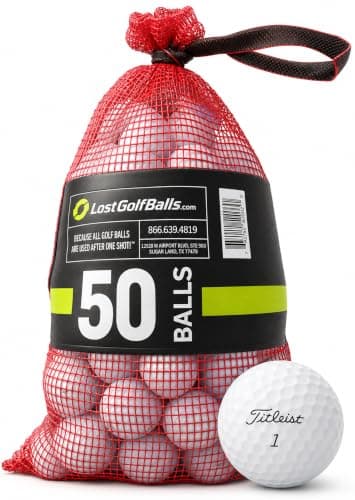
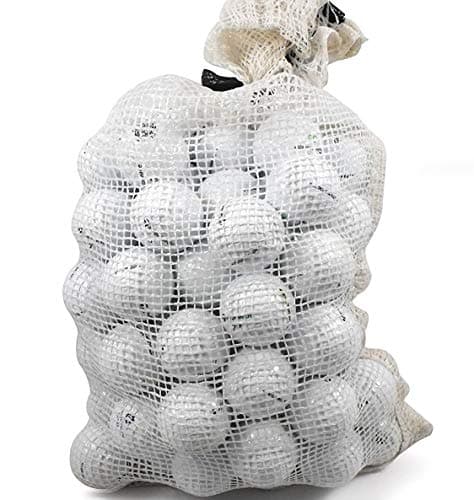
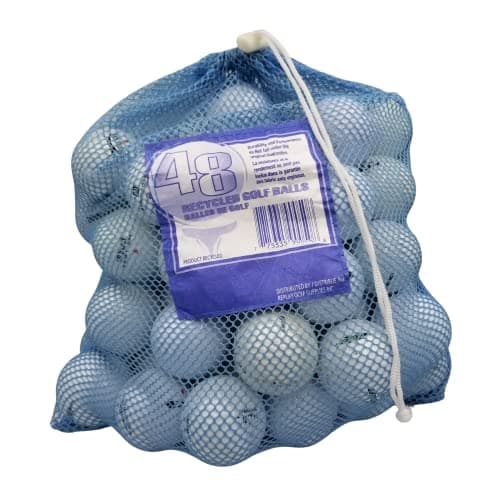
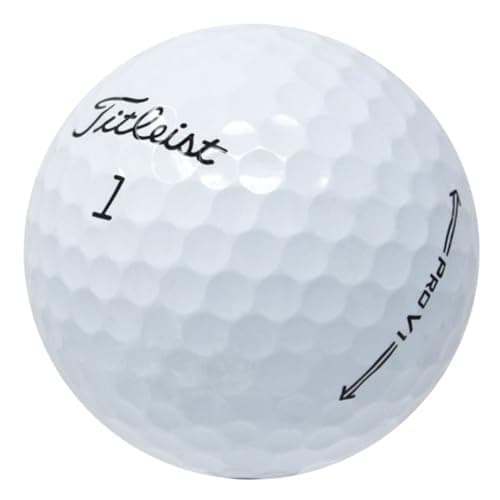
A mid-handicapper who strikes wedges reasonably: a dozen AAA Pro V1s, and stop buying new balls. A golfer who loses four or five a round: the 48-ball Nitro Pinnacle bag, because losing a fifty-cent ball does not tighten your swing the way losing a four-dollar one does. Anyone building a practice bag: the assorted Golf Ball Planet pack, which costs less than one bucket of range balls at most courses and never runs out.