Skip to content
Club&Carry

Hub 02 · Golf Clubs

The Best Hybrids for the Money

The single most useful club most amateurs do not own. Here is which loft you need, and how little you have to spend to get it.

By Stephen V.Updated How we pick
#ad

We earn a commission when you buy through our Amazon links, at no extra cost to you. It never affects our rankings, and we say so when the cheaper product is the better buy. How this works.

The past-season Callaway Great Big Bertha hybrid is the best value in the category — a titanium-bodied flagship built for moderate swing speeds, at a fraction of what it launched for. The Tour Edge Hot Launch is the most club per dollar if you want a named aftermarket shaft, and the Cleveland Launcher Halo XL is the one to buy if you hit the ground before the ball.

A note on the prices below.Complete-set and club prices on Amazon swing widely with third-party sellers — the live number on each card is today's, stamped with the date we checked it. If a set looks overpriced, it usually is, and it tends to come back down; it's also often cheaper in-store or direct. Treat the live price as a starting point and shop it around before you buy.

Why a hybrid is the highest-return club most amateurs can buy

A 3-iron and a 3-hybrid are built to go the same distance. The difference is in how much clubhead speed you need to make that happen. A long iron has a thin sole, a high center of gravity and a small face, so it demands a fast, descending, dead-center strike. A hybrid has a wide sole, a deep and low center of gravity and a hollow head, so it launches the ball on something far short of a perfect strike.

That gap is why long irons have quietly disappeared from amateur bags. If your clubhead speed with a driver is under about 95 mph — which is most golfers — you almost certainly cannot get a 3-iron airborne consistently, and every yard you think you are giving up by switching is a yard you were not carrying anyway.

Which loft replaces which iron

Hybrids are sold by loft, and the numbering is not standardized across brands. Go by degrees, not by the number stamped on the sole.

  • 18-19 degrees (3-hybrid). Replaces a 3-iron or a 5-wood. The longest club most amateurs can actually use off the deck.
  • 21-22 degrees (4-hybrid). Replaces a 4-iron. For a lot of golfers this is the single most useful hybrid loft in the bag.
  • 24-25 degrees (5-hybrid). Replaces a 5-iron. Worth owning if your 5-iron is the club you back off from.
  • 27 degrees and up. Replacing a 6-iron with a hybrid is unusual but entirely legitimate for slower swings — the launch help does not stop being useful just because the iron got shorter.

Check your iron set's lofts before you buy. Modern game-improvement irons are strong, so a set 5-iron might be 23 degrees — in which case a 24-degree hybrid duplicates it and you actually want the 21.

Where the cheap ones give something up, and where they do not

The head is the part that is easiest to get right cheaply. A wide-soled, low-CG hollow head is a well-understood shape, and Pinemeadow's version of it launches the ball perfectly well. What you give up is at the two ends: the shaft and the sole design.

On shafts, the budget clubs use house-brand blanks with no published spec. That is not automatically bad — a 60-gram house shaft in regular flex is fine for most players — but it removes any chance of matching the shaft to your actual swing speed and tempo. On soles, the Cleveland's rails and the Tour Edge's camber are real engineering aimed at a specific miss, and the cheap clubs simply have a flat wide sole instead.

How to hit one, because it is not an iron

The most common mistake with a new hybrid is trying to hit down on it like a long iron. A hybrid is closer to a fairway wood: play it about an inch inside your lead heel, make a sweeping strike, and let the sole do the work rather than digging. Golfers who report that "hybrids do not work for me" are very often steepening into them.

Out of rough, do the opposite of what feels natural — grip down half an inch, play it slightly further back, and swing at 80 percent. The wide sole is designed to slide through grass, but only if you let it arrive shallow.

Hybrid or fairway wood?

They overlap, and most golfers only need one in the 18-21 degree band. A 5-wood has a longer shaft and a bigger head, so it carries further off a tee and off a good lie, but it is harder to control from the rough. A 3-hybrid is shorter, easier to strike from bad lies, and lands steeper so it holds a green.

The value answer for most amateurs: take the hybrid. It is more usable more often, it costs less, and the shots you will actually face — a 200-yard approach from semi-rough — are the shots it is built for. If you already own a complete package set, check what it came with before buying; most modern sets include a hybrid already.

What we would actually buy

A slower-swinging golfer replacing a 4 and 5-iron: the Callaway Great Big Bertha in 23 degrees, then a second one if it works. A golfer who wants a shaft they can look up: the Tour Edge Hot Launch. A golfer whose long-club miss is fat: the Cleveland Launcher Halo XL, whose rails exist specifically for that. And if you only ever want one, buy 21 or 22 degrees — it is the loft that fills the biggest hole in the most bags.
The short answer

Quick picks

#ProductBest forScorePrice
01
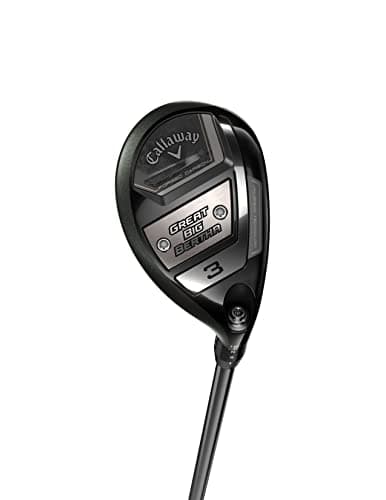
Callaway Callaway Great Big Bertha Hybrid (5H, 23 degrees)
Callaway Great Big Bertha Hybrid (5H, 23 degrees)

A past-season Callaway flagship built specifically for moderate swing speeds. The most club a value buyer can get in a hybrid.

Getting a long club airborne at moderate speed
8.4
$129.99Amazon
02
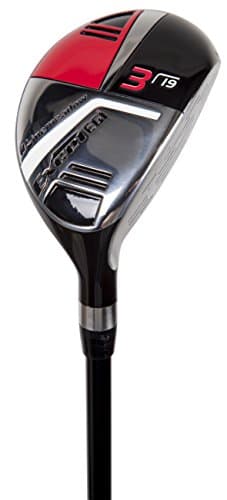
Pinemeadow Pinemeadow Excel EGI Hybrid (3H, 19 degrees)
Pinemeadow Excel EGI Hybrid (3H, 19 degrees)

The direct-to-consumer hybrid that has been the default budget answer for a decade, sold one loft at a time so you buy only the gap you actually have.

Filling one specific gap cheaply
7.4
$99.95Amazon
03
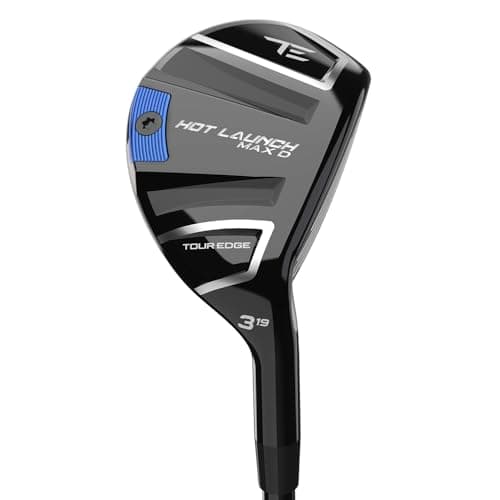
Tour Edge Tour Edge Hot Launch E524 Hybrid (4H, 22 degrees)
Tour Edge Hot Launch E524 Hybrid (4H, 22 degrees)

Tour Edge builds the most golf club per dollar of any brand in America, and the Hot Launch hybrid is the clearest example of it.

The most club for the money
8.6
$99.99Amazon
04
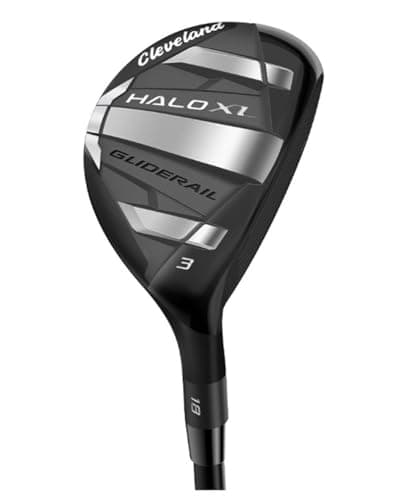
Cleveland Cleveland Launcher Halo XL Hybrid (24 degrees)
Cleveland Launcher Halo XL Hybrid (24 degrees)

The hybrid version of the irons we already rank for forgiveness — a rail sole that refuses to dig, in the loft most golfers actually need.

Golfers who hit the ground first
8.8
$138.04Amazon

#ad · Live prices from the Amazon Product API, as of Aug 26, 2026. Where we have no verified live price, we show none — we would rather leave a gap than print a number that has rotted.

In detail

The picks, in full

01
Callaway Callaway Great Big Bertha Hybrid (5H, 23 degrees)

Getting a long club airborne at moderate speed

Callaway Great Big Bertha Hybrid (5H, 23 degrees)

23 degrees (5-hybrid)Light flexTitanium face and bodyAdjustable hosel
8.4/10

A past-season Callaway flagship built specifically for moderate swing speeds. The most club a value buyer can get in a hybrid.

Forgiveness
9
Launch
9
Turf interaction
7
Build quality
9
Value
8

Pros

  • Callaway builds the Great Big Bertha around a titanium face and body and says that frees roughly 100 grams to move low and back, which is what makes it launch so easily
  • Callaway states the head carries enhanced offset to reduce a slice — the miss this club is bought to fix
  • An adjustable hosel on a hybrid at this price is genuinely unusual

Cons

  • Past-season stock, so lofts and flexes come and go
  • Light flex is the only flex this listing carries — a fast, aggressive tempo will overpower it

Don't buy this if…

you swing hard and fast. This is a lightweight head in the lightest flex Callaway builds; you want a regular or stiff-flex hybrid instead.

$129.99View on Amazon

Price as of Aug 26, 2026. Prices change — Amazon's is the one that counts.

#ad · we may earn a commission from this link to Callaway Great Big Bertha Hybrid (5H, 23 degrees)

02
Pinemeadow Pinemeadow Excel EGI Hybrid (3H, 19 degrees)

Filling one specific gap cheaply

Pinemeadow Excel EGI Hybrid (3H, 19 degrees)

19 degrees (3-hybrid)Graphite shaftRegular flexSold individually
7.4/10

The direct-to-consumer hybrid that has been the default budget answer for a decade, sold one loft at a time so you buy only the gap you actually have.

Forgiveness
7
Launch
7
Turf interaction
8
Build quality
6
Value
9

Pros

  • Sold as single lofts across a wide range, so you can replace exactly the club you never hit
  • A wide sole that slides through rough far better than the 3-iron it replaces
  • Consistent availability, which past-season tour-brand hybrids never have

Cons

  • A generic stock shaft with no meaningful fitting options beyond flex
  • Resale value is effectively zero

Don't buy this if…

you want the club to still be worth something in three years. A past-season Cobra or Cleveland holds trade-in value that Pinemeadow does not.

$99.95View on Amazon

Price as of Aug 26, 2026. Prices change — Amazon's is the one that counts.

#ad · we may earn a commission from this link to Pinemeadow Excel EGI Hybrid (3H, 19 degrees)

03
Tour Edge Tour Edge Hot Launch E524 Hybrid (4H, 22 degrees)

The most club for the money

Tour Edge Hot Launch E524 Hybrid (4H, 22 degrees)

22 degrees (4-hybrid)Aldila Ascent PL 55 shaftSenior flexCambered sole
8.6/10

Tour Edge builds the most golf club per dollar of any brand in America, and the Hot Launch hybrid is the clearest example of it.

Forgiveness
9
Launch
8
Turf interaction
9
Build quality
8
Value
9

Pros

  • A real, named aftermarket shaft (Aldila Ascent) at a price where competitors fit house-brand blanks
  • The cambered sole is genuinely good out of thick lies — the shot hybrids exist for
  • Tour Edge honors a lifetime warranty, which almost nothing else in this price band does

Cons

  • Sold through a smaller dealer network, so the loft you want is not always in stock
  • The head is bigger than a tour hybrid and looks it at address

Don't buy this if…

you want the smallest, most workable head you can find. This is a game-improvement hybrid built to launch high and straight, not to be shaped.

$99.99View on Amazon

Price as of Aug 26, 2026. Prices change — Amazon's is the one that counts.

#ad · we may earn a commission from this link to Tour Edge Hot Launch E524 Hybrid (4H, 22 degrees)

04
Cleveland Cleveland Launcher Halo XL Hybrid (24 degrees)

Golfers who hit the ground first

Cleveland Launcher Halo XL Hybrid (24 degrees)

24 degreesRail soleGraphite shaftSenior flex
8.8/10

The hybrid version of the irons we already rank for forgiveness — a rail sole that refuses to dig, in the loft most golfers actually need.

Forgiveness
9
Launch
9
Turf interaction
10
Build quality
9
Value
7

Pros

  • The sole rails stop the leading edge digging on a fat strike, which is the miss this club is bought to survive
  • Matches the Launcher XL Halo irons already on our irons list, so the set flows
  • Cleveland's stock graphite shaft is a genuinely decent one, not a filler

Cons

  • The most expensive hybrid here by a clear margin
  • The rails are visible at address and some players hate the look

Don't buy this if…

you strike your long clubs cleanly off tight lies. You are paying for a sole design built to rescue fat shots you do not hit.

$138.04View on Amazon

$199.9931% off

Price as of Aug 26, 2026. Prices change — Amazon's is the one that counts.

#ad · we may earn a commission from this link to Cleveland Launcher Halo XL Hybrid (24 degrees)

How we picked

We do not run a testing lab

We compiled the published specifications, did the cost-per-round and value math, and read the independent robot and launch-monitor data — then scored each product against a published rubric. The scores are judgments from documented research — they are notmeasurements we took, because we do not have a lab and we are not going to pretend we do. Where a number came from someone else's lab, we name them and link them in Sources.

Questions

Frequently asked

What is the best hybrid for the money?
A past-season Callaway Great Big Bertha. It is a titanium-bodied major-brand head built for moderate swing speeds, and past-season pricing puts it within reach of the house-brand alternatives.
What iron does a hybrid replace?
Match the loft: 18-19 degrees replaces a 3-iron, 21-22 replaces a 4-iron, 24-25 replaces a 5-iron. Check your set's lofts first, because modern game-improvement irons are strong.
Is a hybrid easier to hit than a long iron?
Substantially, for anyone swinging under about 95 mph with a driver. A hybrid's wide sole and low center of gravity launch the ball on strikes a long iron would not get airborne at all.
Should I buy a hybrid or a 5-wood?
A hybrid for most golfers. It is shorter and easier to control, it works from rough where a fairway wood struggles, and it lands steeper so it holds a green. A 5-wood carries further from a good lie.
How do you hit a hybrid correctly?
Sweep it like a fairway wood rather than hitting down like an iron. Ball about an inch inside your lead heel, shallow angle of attack, and let the sole glide rather than dig.

Keep reading

Receipts

Sources

We do not run a testing lab, and we do not pretend to. Where a measured number came from someone else's lab or robot, we name them and link them. Where we could not verify something, we say so on the page rather than quietly leaving it out. Read our full method.