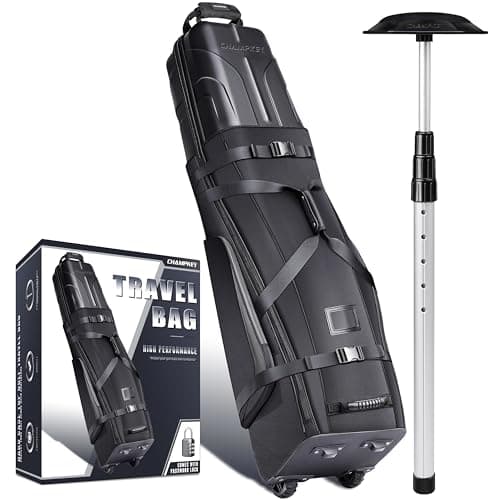
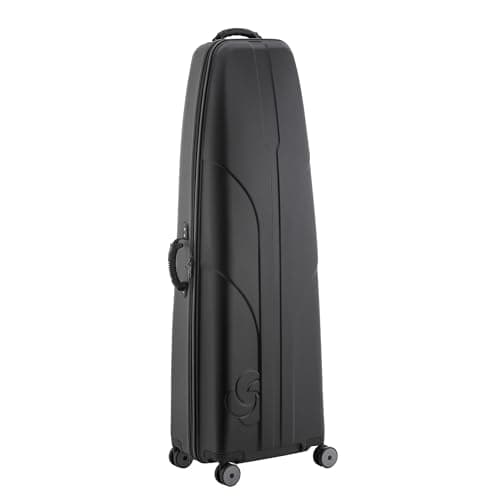
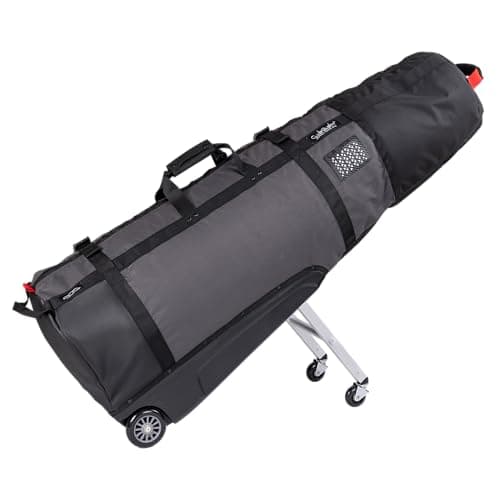
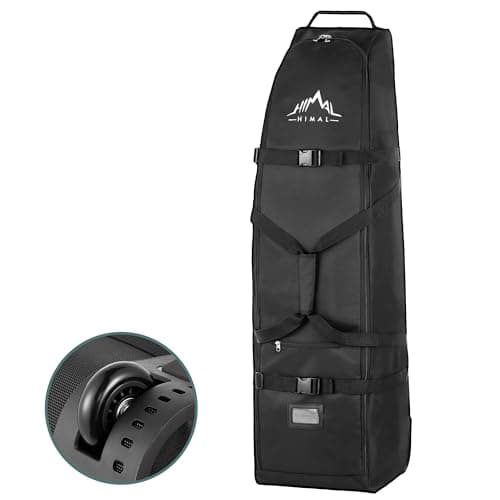
The Himal soft-sided cover is the right buy for most golfers — wheels, padding and a universal 50-inch length for a fraction of what a hard case costs. The CHAMPKEY hard-top is the best protection per dollar if you fly more than twice a year, and the Sun Mountain ClubGlider is the frequent-flyer benchmark.
Buy for how often you fly, not for worst-case anxiety
Travel bag marketing runs on the image of a snapped driver shaft, and it works — people spend a large fraction of the value of their clubs protecting a set they fly with once a year. The honest framing is a rate calculation. Club damage in transit is uncommon, and when it happens it is usually the driver head or a graphite shaft, not the whole set.
So: one or two trips a year with a mid-priced set, a soft cover with decent padding is the proportionate buy. Four or more trips a year, or you travel with clubs you would genuinely mourn, and a molded hard top starts paying for itself — not because damage becomes likely, but because you have multiplied the number of times you roll the dice.
The free upgrade that beats spending more
The most common failure mode is a bag stacked under other luggage, compressing the top and snapping whatever is longest — almost always the driver. A support rod, sometimes sold as a stiff arm, is a telescoping pole that extends above your longest club and takes that load instead. It costs a fraction of the price gap between a soft bag and a hard case and it addresses the actual mechanism of damage.
Do this too: take the driver head off if it is adjustable, wrap it in a towel and put it in the middle of the bag. Clothing packed around the club heads is free padding, and airlines do not weigh what is inside the golf bag differently from what is inside a suitcase. Between the support rod and packed clothing you have most of a hard case's protection for almost nothing. Our step-by-step packing guide runs through the order to do it in.
Soft, hard, or hybrid?
- Soft covers are light, fold flat for storage and cost the least. Protection comes from padding and from what you pack around your clubs. Best for occasional trips.
- Hybrid hard-tops — a molded shell over the club heads with a fabric body — are the value sweet spot. They defend the part that actually breaks while staying lighter and cheaper than a full shell.
- Full hard shells give the most protection and the most hassle. They are heavy, they never fold, and they need a corner of a garage for fifty weeks a year. Our hard vs soft comparison settles which of the three you need by how often you fly.
Watch the weight limit before you watch the price
Most airlines cap checked bags at 50 lb, and a full set with a cart bag can already run 30 to 35 lb. A full hard shell can eat 15 lb of your allowance before a club goes in, which is how people end up paying an overweight fee on every single flight — a recurring cost that can exceed the price difference between covers within a couple of trips.
If you fly regularly, this is a real argument for pairing a lighter travel cover with a lightweight carry bag rather than shipping your heavy cart bag around the world. Our lightweight bags roundup is the companion purchase most traveling golfers should make.
Wheels are not a luxury
A loaded travel bag weighs 40 pounds and airports are long. Two inline wheels are the minimum; four spinner wheels genuinely change how the thing moves, and the retractable-leg system on the Sun Mountain removes the weight from your arm entirely. This is the one place where the premium options are buying you something real rather than a badge — whether it is worth it depends entirely on how many terminals you cross a year.