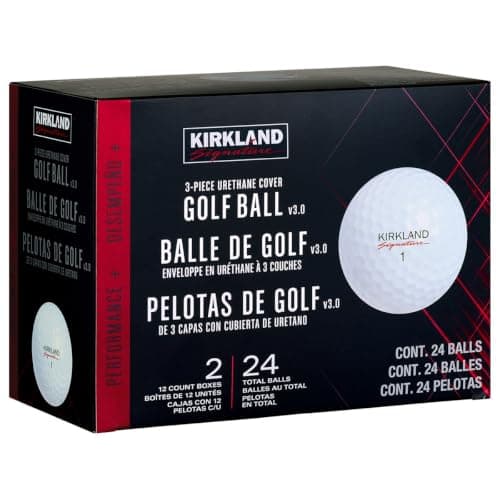
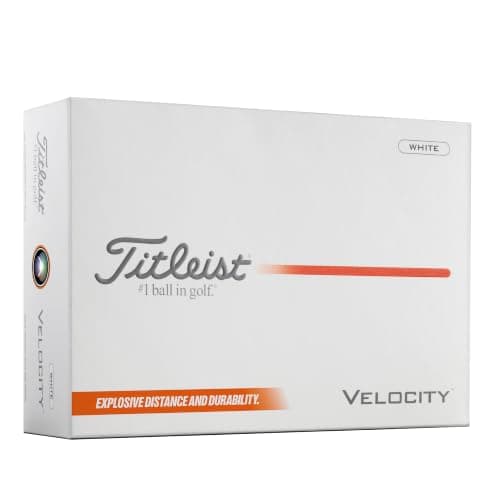
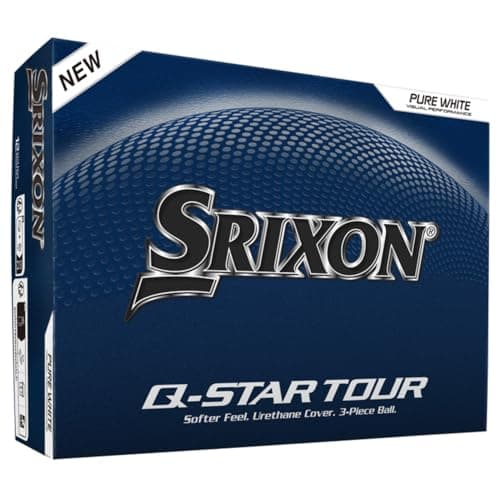
The Srixon Q-Star Tour is the value winner for fast swings — a urethane-covered ball with enough compression to take a hard strike without over-spinning. Kirkland is the cheapest urethane option that stands up to speed, and the Titleist Velocity is the firm ionomer pick if you want distance and do not need greenside bite.
Why the soft-ball advice does not apply to you
Almost every value golf ball recommendation on the internet points at low-compression balls, and for good reason: most amateurs swing under 90 mph and a soft ball genuinely helps them. If you swing over roughly 100 mph with a driver, that advice inverts. You compress a soft ball past the point where it returns energy efficiently, and two things go wrong — spin climbs and the flight balloons, particularly into wind. You lose distance and, worse, you lose control of the ball's line.
The fix is not to spend more, it is to buy firmer. This is the mirror image of our slow swing speed page, and it is the same principle stated in the other direction: match the compression to the speed you actually produce. Our compression guide has the full mechanism and the speed bands.
What a fast swinger should actually look for
- Higher compression, not softer feel.Marketing sells "soft" as a universal good. For you it is not. A firmer core resists over-compression and keeps spin in check on the driver.
- A cover that survives your wedges. Fast swing speeds shred soft covers fast. If you are buying urethane, expect to rotate balls sooner than a slower player does.
- Low long-game spin, adequate short-game spin. The ideal fast-swing ball is spin-suppressed off the driver and spin-active off a wedge. That is exactly what a multi-layer urethane construction is for, and why the Q-Star Tour and Kirkland lead here.
- Flight stability in wind. Higher ball speed plus high spin equals a shot the wind can move. Firmer balls with lower long-game spin hold their line better.
Do you actually swing fast? Check before you buy
This matters, because most golfers who think they are fast are not. Roughly 95 to 100 mph of driver clubhead speed is the practical dividing line, which corresponds to a carry distance in the region of 230 to 250 yards for a well-struck drive. If your good drives carry closer to 200, you are a moderate-speed player and the recommendations on best value golf balls serve you better. A range session with a launch monitor — or the shared one most driving ranges now have — answers this in ten minutes and stops you buying the wrong ball for years.
Where the money is genuinely worth spending
Fast swing speed is one of the few cases where the premium-ball argument holds up. You produce enough speed and enough spin to actually use a tour ball's construction, so the gap between a budget ionomer ball and a urethane one is real for you in a way it is not for a 15 handicapper. That said, the gap between a value urethane ball and the most expensive tour ball on the shelf remains small — which is precisely the point of this page. Buy urethane. You do not have to buy the most expensive urethane.