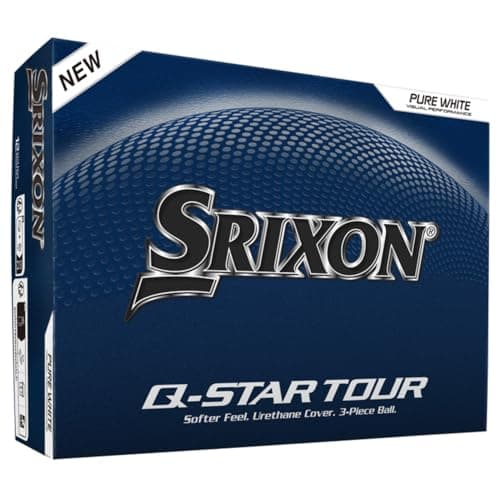
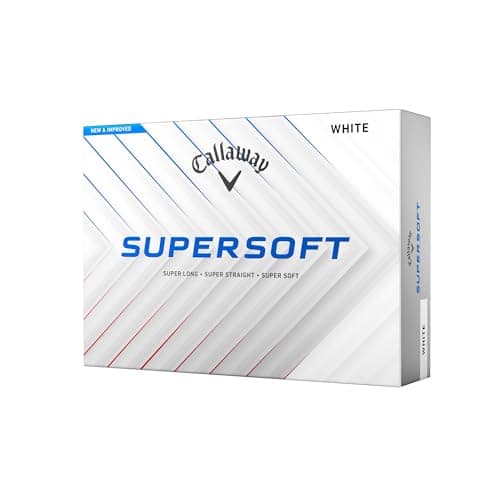
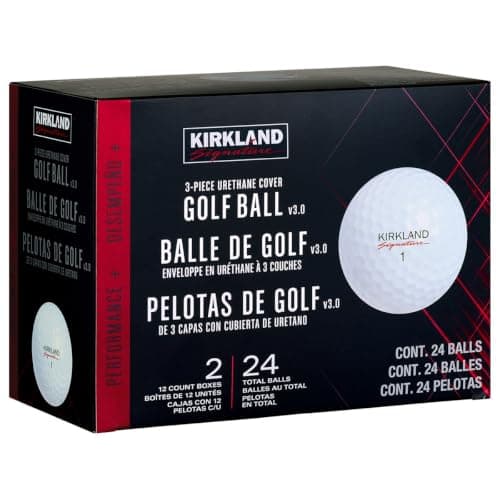
The Kirkland Signature Performance+ is the ball to beat under $50 — a three-piece urethane construction sold two dozen at a time, which is the cheapest urethane in golf by a distance. The Srixon Q-Star Tour is the steadier, always-in-stock urethane alternative, and the Callaway Supersoft is the pick if you would rather have soft feel than spin.
Why $50 is a real dividing line, not a made-up one
Golf ball pricing is not smooth. Below about $25 a dozen you are buying two-piece ionomer balls — a hard, durable cover over a big rubber core, built for distance and cut resistance. Above roughly $50 you are buying tour balls with cast urethane covers, multiple mantle layers and the spin profile the professional game is built around. The band in between is where the interesting engineering lives: manufacturers trying to give you most of a tour ball's short game without a tour ball's price.
That is why this page exists separately from our under $30 roundup. Under $30, the honest advice is to buy the most durable distance ball you like the feel of, because none of them will check a wedge shot. Under $50, you get a genuine choice: pay for a urethane cover and the greenside control that comes with it, or keep the money and accept a firmer ionomer cover that goes just as far.
What a urethane cover actually does for you
Urethane is softer and grabbier than the ionomer used on cheaper balls. On full shots with a driver it makes almost no difference — the ball is compressed so hard that the core dominates. On a 60-yard pitch or a greenside chip, where the club face is only moving fast enough to grip the cover, urethane generates several thousand extra rpm. That is the difference between a wedge shot that takes one hop and stops and one that releases eight feet past the pin.
The catch, and the reason this is not automatically the right spend: you have to be able to deliver a clean strike with a clean groove to get that spin. If you thin half your wedges or play from wet rough regularly, the cover cannot help you. That is the same argument we make in are expensive golf balls worth it — the money buys a capability, and the capability only pays if you can use it.
The three ways to spend under $50 well
- Buy urethane in bulk. Kirkland sells two dozen in one box, which is what pushes a genuine urethane ball under the fifty-dollar line per dozen. Availability is the trade-off — see our Kirkland review.
- Buy urethane from a big brand. The Srixon Q-Star Tour is the mainstream answer: a real urethane tour-lite ball you can find in any pro shop, at a price that sits just under the premium tier rather than well below it.
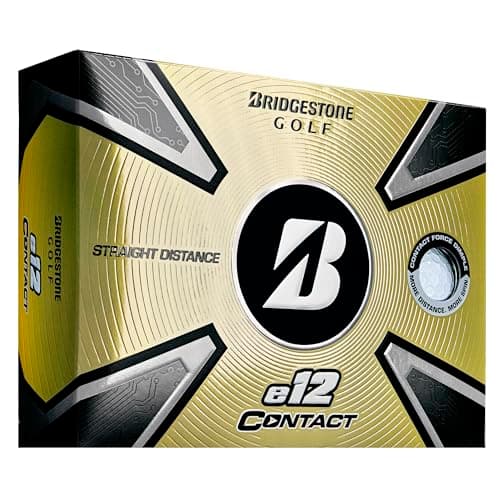
- Skip urethane and buy feel. If your short game is not yet at the level where spin is the constraint, an ionomer ball like the Callaway Supersoft or the Bridgestone e12 Contact gives you soft feel and straight flight for a lot less. There is no shame in this — for most mid and high handicappers it is the correct answer.
Where the color option fits
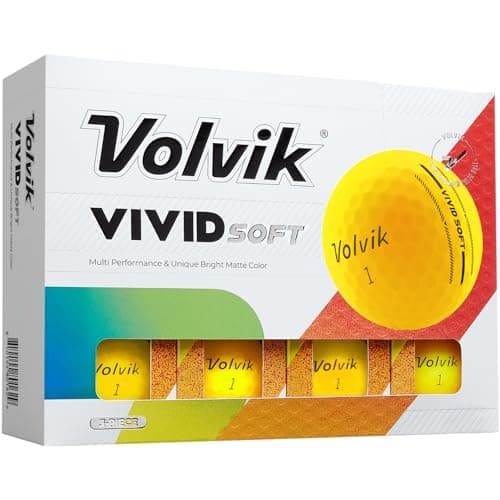
The Volvik Vivid is on this list for a specific and slightly unfashionable reason: if you lose three balls a round because you cannot track flight against a gray sky or find them in light rough, a high-visibility matte ball saves you more money than any construction upgrade on this page. A ball you can find is worth more than a ball that spins.