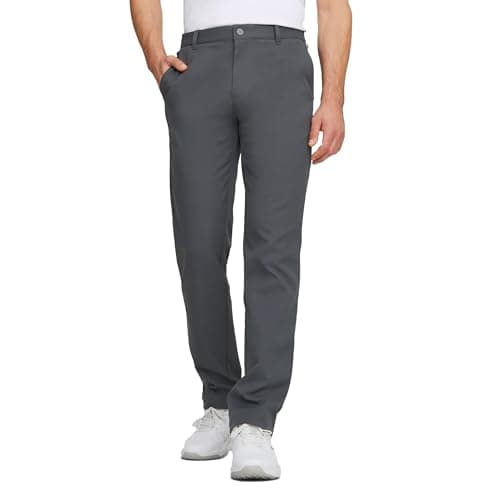
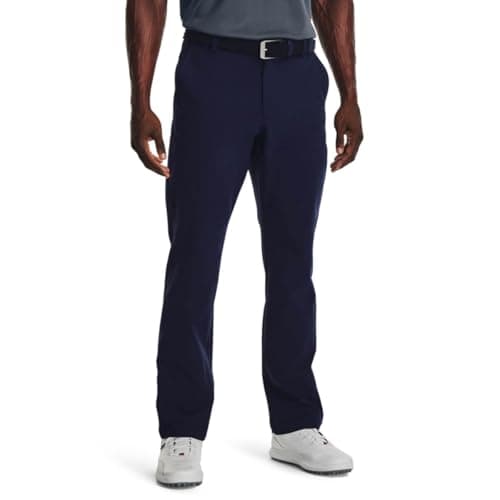
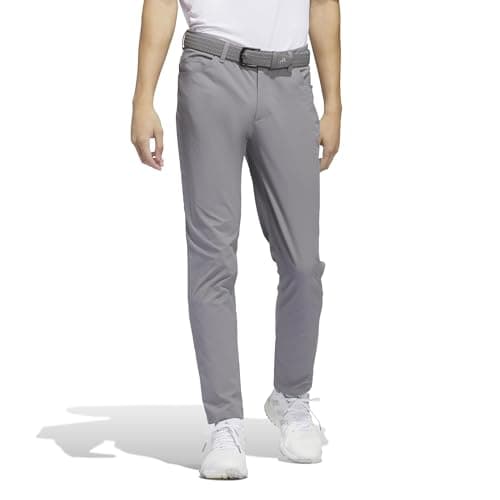
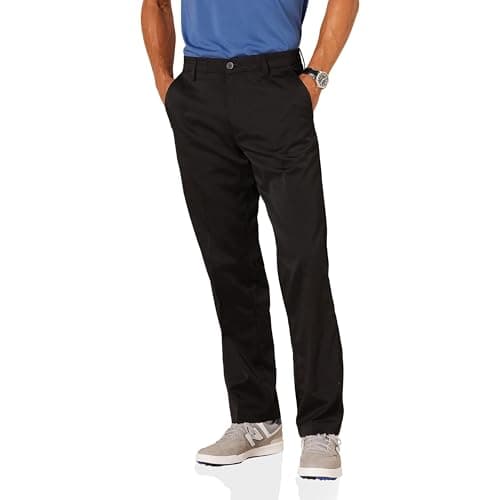
The Amazon Essentials golf pant is the value winner — moisture-wicking stretch fabric and an active waistband for about what a sleeve of premium balls costs. The past-season Puma Dealer is the pick if you want a tour-brand fabric and a modern taper, and the adidas Ultimate365 is the pair that will still look right in three years.
What actually separates a $31 pant from a $69 one
Three things, and only three.
- Stretch, and which direction it goes. Two-way stretch moves in one axis; four-way stretch moves in both. In a golf swing you rotate and bend at the same time, and four-way is noticeably more comfortable through the hips. This is the single most worthwhile upgrade on this page.
- Fabric recovery. How well the fabric returns to shape after being stretched. Cheap stretch fabrics bag out at the knee and seat within a season. This is where the adidas is worth its money.
- Finishing. Waistband construction, pocket bags, belt loops and hem stitching. Invisible when new, and the reason a cheap pair looks tired after twenty washes.
What does not separate them: waterproofing (none of these are waterproof — see our rain gear page), warmth, or performance in any measurable sense. Trousers do not affect how you hit the ball, provided they let you move.
Which fit to buy
Golf trousers come in three broad cuts, and the naming is inconsistent across brands.
- Classic or straight fit. Roomy through the thigh, straight from knee to hem. The most forgiving, the most traditional, and what most club golfers wear.
- Tapered. Normal through the thigh, narrowing below the knee. The current default in golf apparel, and it looks modern without being tight.
- Slim. Close through the thigh as well as the calf. Fine if you are lean; genuinely restrictive through a golf swing if you are not.
Value advice: buy tapered. It is the widest-appeal cut, it is what most current stock is, and it does not date the way a very slim or very baggy pair does.
How many pairs do you need?
Three, if you play weekly. Two in rotation and one that lives in reserve for when the others are in the wash or a round runs long. That is the calculation behind ranking the Amazon Essentials first: three pairs of those cost less than one pair of most tour-brand trousers, and nobody on the tee can tell the difference from six feet away.
If you play monthly, one good pair is a better buy than three cheap ones. Fewer washes means durability matters less and the fabric quality you feel every round matters more.
Trousers or shorts?
Most golfers over-buy shorts and under-buy trousers. Shorts are comfortable in high summer; trousers work in roughly nine months of the year in most climates, they meet every dress code including the strict ones, and they protect your legs from sun and from the undergrowth you will occasionally be looking in.
If you are building a golf wardrobe from nothing, buy two pairs of trousers before your first pair of shorts. Our shorts roundup covers the other half once you get there, and the beginner dress-code guide covers what is actually required.
The care that decides how long they last
Golf trousers are technical fabric, and technical fabric hates two things: fabric softener and heat. Softener coats the fibers and destroys the moisture-wicking finish permanently. A hot tumble dryer breaks down the elastane that provides the stretch.
Wash cold, skip the softener, hang to dry. That routine adds seasons to a cheap pair and is the difference between the Amazon Essentials looking fine after a year and looking finished.
What we would actually buy
Someone building a wardrobe: three pairs of Amazon Essentials in navy, gray and black. Someone who plays weekly and wants to enjoy what they wear: two pairs of past-season Puma Dealers. Someone who wants to buy once: a pair of adidas Ultimate365, which will outlast everything else here by a distance.