01
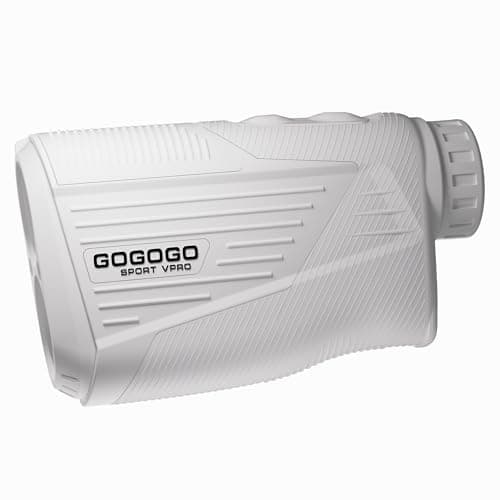
Most features for the least money
Gogogo Sport Vpro
Slope switchPin-lock vibrationMagnetic stripRechargeable
8.4/10
The budget rangefinder that keeps winning value awards — slope, pin-lock vibration and a cart magnet, cheap.
- Accuracy
- 8
- Ease of use
- 8
- Slope
- 8
- Range
- 8
- Value
- 10
Pros
- Packs slope, pin-lock vibration and a cart magnet at a rock-bottom price
- Rechargeable, so no battery hunting
- Surprisingly capable optics and range for the money
Cons
- Not tournament-branded or as polished as a premium unit
- Long-term durability record is shorter than the big brands'
Don't buy this if…
…you play a lot of tournaments and want a proven, warrantied premium unit. For casual and club golf, this over-delivers; for serious competition, a Bushnell has the track record.
$84.99View on Amazon
$99.9915% off
Price as of October 20, 2026. Prices change — Amazon's is the one that counts.
#ad · we may earn a commission from this link to Gogogo Sport Vpro