Skip to content
Club&Carry

Hub 02 · Golf Clubs

The Best Anti-Slice Drivers

Four drivers built to curve the ball less to the right, ranked by the feature each maker actually publishes rather than the one the marketing shouts about.

By Stephen V.Updated How we pick
#ad

We earn a commission when you buy through our Amazon links, at no extra cost to you. It never affects our rankings, and we say so when the cheaper product is the better buy. How this works.

Buy the Callaway Big Bertha B21 if your slice is costing you tee shots and you want the most anti-slice help available from a major brand at a last-generation price. If that is more than you want to spend, the Wilson Launch Pad 2 does the same job for less, and the Pinemeadow PGX MB Offset is the cheapest club here with a structural fix built into the head rather than a promise printed on the crown. Left-handed golfers slice too, and almost nobody builds for them: the Orlimar Escape HL Draw Bias Driver is the one left-hand club on this list.

What a driver can actually do about a slice

A slice is a ball that starts left of target and curves hard right, and it comes from the relationship between the path the clubhead travels and where the face points at impact. No club changes your path. That is the honest ceiling on this entire page, and anyone telling you a new driver will cure a slice is selling you something.

What a club can do is change how the face is presented. Three design features do that, and all three are things a manufacturer either publishes or does not:

  • An offset hosel. The shaft line sits ahead of the face, so the face has a fraction more time to rotate back to square before it meets the ball. This is the only one of the three you can see with your own eyes at address.
  • Heel-weighted draw bias. Mass is moved toward the heel of the head, which encourages the toe to rotate through faster. Makers describe this as a draw bias, and it is the most common anti-slice feature in the category.
  • Light total weight and more loft.A lighter build is the most reliable way to buy clubhead speed, and a higher-lofted face puts more of the spin you generate into backspin rather than the sidespin that curves the ball. Tim Briand of True Spec Golf, quoted by GOLF.com, puts the fitting rule bluntly: “if you swing less than 90 mph, you'll never want an 8.5-degree club in your hands.”

The four drivers, and the feature each one is built on

DriverPublished slice-fighting featureHandLoft adjustable?
Callaway Big Bertha B21Draw-biased head, very high MOIRightNo
Wilson Launch Pad 2Draw bias plus a deliberately light buildRightNo
Pinemeadow PGX MB Offset460cc offset head, 10.5 degrees, square face angleRightNo
Orlimar Escape HL Draw BiasStated draw bias, titanium headLeftNo

Every entry in that table is a claim the maker publishes, not a measurement we took. We do not run a lab and we are not going to pretend otherwise — our methodology spells out exactly what our scores are and are not. Pinemeadow is the one that publishes the most usable geometry: 460cc, 10.5 degrees, a 59-degree lie, a square face angle and a 200-gram head, which tells you it is a normal-sized modern driver rather than a shrunken budget club.

Offset or draw bias — which should you pick?

Offset is the stronger intervention and the more visible one. If your slice is severe enough that you aim down the left tree line to keep the ball in play, offset is the feature to buy. The trade is that offset looks odd at address to anyone who has played a traditional driver, and it will make a hook worse.

Draw bias is the subtler fix, and it is the right call if your miss is a fade that leaks into the right rough rather than a genuine banana slice. It also leaves you a club you can still play once a lesson or two has straightened your path out, which an offset head does not.

Neither one is for you if your miss is already a pull or a hook. Both features push the ball left, and a left-curving ball with an anti-slice driver in your hands is the fastest way to lose a sleeve down the opposite tree line. If that is your pattern, go to the best budget drivers, where the picks are neutral heads chosen for forgiveness rather than curve correction.

The cheaper fixes worth trying first

A slice is usually a swing problem, so it is worth saying plainly what else the money buys. A single lesson with a decent coach costs less than any club on this page and it addresses the path rather than the symptom. A shaft that is too stiff for your speed also delays the face, so if your current driver is a stock stiff shaft and your swing is 85 mph, the shaft flex you actually need may be the whole story. And if you want the free version: tee the ball higher, and check your alignment, because a lot of slicers are aimed well left of target and swinging across the ball to compensate.

There is a ball answer too, and it is the cheapest of the lot. A lower-spin, firmer-cover ball curves less than a soft urethane ball struck the same way — the best golf balls for slicers works through which ones and why. Changing your ball will not fix a slice either, but it costs about $25 and it takes effect on the next tee.

What we would buy

If you play twice a month and the slice is the single thing standing between you and breaking 100, the Big Bertha B21 is a large amount of anti-slice engineering on a club that is no longer current — which is the whole value play on this site. If you are not sure a driver is even a club you want in the bag, buy the Pinemeadow for a fraction of the money and spend the difference on the lesson. If you are left-handed the Orlimar is the pick by default, and the best left-handed golf clubs covers the rest of the bag, where the availability problem is worse still.
The short answer

Quick picks

#ProductBest forScorePrice
01
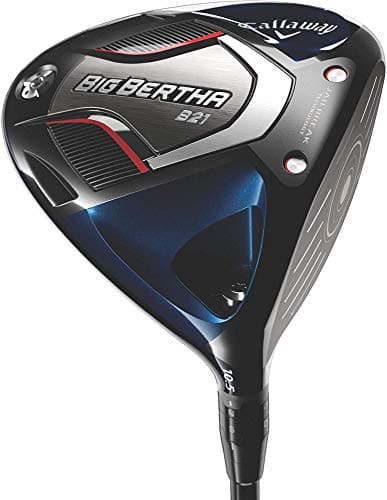
Callaway Callaway Big Bertha B21 Driver
Callaway Big Bertha B21 Driver

One of the most forgiving, anti-slice drivers Callaway has made — a superb last-gen value buy.

Anti-slice forgiveness from a big brand
7.6
$349.95Amazon
02
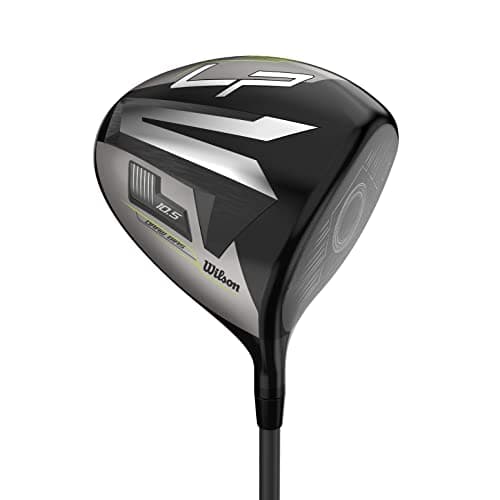
Wilson Wilson Launch Pad 2 Driver
Wilson Launch Pad 2 Driver

A light, draw-biased, forgiving driver built to get slicers hitting more fairways for little money.

Slicers who want more fairways
7.0
$243.52Amazon
03
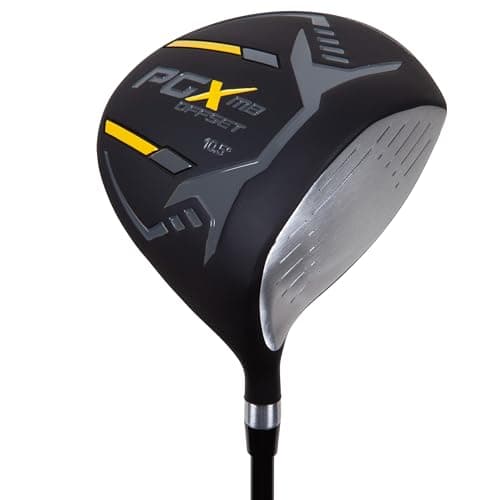
Pinemeadow Golf Pinemeadow PGX MB Offset Driver
Pinemeadow PGX MB Offset Driver

The cheapest driver here with a real anti-slice feature built into the head rather than promised in the marketing.

The lowest price on genuine slice help
7.4
$99.95Amazon
04
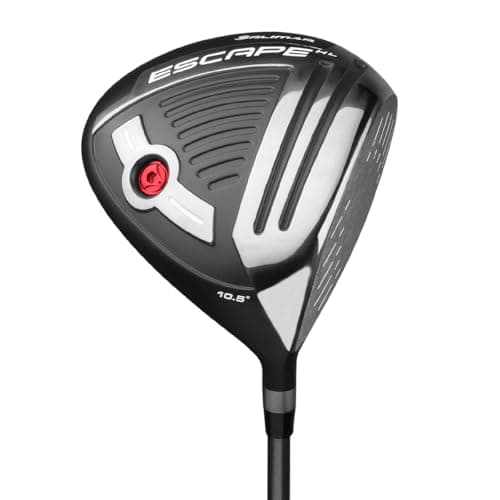
Orlimar Orlimar Escape HL Draw Bias Driver (Left Hand)
Orlimar Escape HL Draw Bias Driver (Left Hand)

A left-hand titanium driver with a stated draw bias, at a price where most of the branded left-hand drivers are still three figures deep.

A left-handed driver upgrade on a budget
7.8
$118.00Amazon

#ad · Live prices from the Amazon Product API, as of October 17, 2026. Where we have no verified live price, we show none — we would rather leave a gap than print a number that has rotted.

In detail

The picks, in full

01
Callaway Callaway Big Bertha B21 Driver

Anti-slice forgiveness from a big brand

Callaway Big Bertha B21 Driver

Draw-biasedVery high MOIEasy launchCallaway flagship (prior gen)
7.6/10

One of the most forgiving, anti-slice drivers Callaway has made — a superb last-gen value buy.

Forgiveness
9
Distance
8
Adjustability
5
Feel
8
Value
8

Pros

  • Built specifically to reduce a slice and forgive mishits — one of the easiest drivers to hit straight
  • Callaway flagship tech at a fraction of its launch price now it's last-gen
  • High launch that flatters a moderate swing speed

Cons

  • The draw bias won't suit a player who already draws the ball
  • As a prior-gen model, exact loft/flex stock can be limited

Don't buy this if…

…you shape the ball right-to-left already or want a neutral, workable head. The B21's help is aimed squarely at the slice — the wrong tool if that's not your miss.

$349.95View on Amazon

Price as of October 17, 2026. Prices change — Amazon's is the one that counts.

#ad · we may earn a commission from this link to Callaway Big Bertha B21 Driver

02
Wilson Wilson Launch Pad 2 Driver

Slicers who want more fairways

Wilson Launch Pad 2 Driver

LightweightDraw biasHigh launchForgiving face
7.0/10

A light, draw-biased, forgiving driver built to get slicers hitting more fairways for little money.

Forgiveness
8
Distance
7
Adjustability
4
Feel
7
Value
9

Pros

  • Draw bias and a light build genuinely help fight a slice
  • Easy to launch high and straight for a slower swing
  • One of the best-value forgiving drivers you can buy new

Cons

  • The draw bias is a problem if you already turn the ball over
  • No adjustability to speak of

Don't buy this if…

…you're a fast, consistent swinger who wants adjustability and workability. This is a get-it-straight driver, not a tuning platform.

$243.52View on Amazon

Price as of October 17, 2026. Prices change — Amazon's is the one that counts.

#ad · we may earn a commission from this link to Wilson Launch Pad 2 Driver

03
Pinemeadow Golf Pinemeadow PGX MB Offset Driver

The lowest price on genuine slice help

Pinemeadow PGX MB Offset Driver

460cc offset head10.5° loftGraphite shaft, regular flexHeadcover included
7.4/10

The cheapest driver here with a real anti-slice feature built into the head rather than promised in the marketing.

Forgiveness
7
Slice help
9
Distance
6
Feel
5
Value
10

Pros

  • The offset hosel sets the face behind the shaft line, which is the one structural way a club can buy you a fraction more time to square it
  • Pinemeadow publishes the geometry — 460cc, 10.5 degrees, a 59-degree lie, a square face angle and a 200-gram head — so this is a standard-size modern driver, not a shrunken budget club
  • Comes with a headcover and still prices below every other driver on this page, which is the right amount to spend finding out whether you want a driver in the bag at all

Cons

  • One loft only — 10.5 degrees — and the Amazon listing carries regular flex alone, so a senior or ladies shaft means ordering direct from Pinemeadow
  • Pinemeadow calls it a high-MOI design but publishes no MOI, ball-speed or face-thickness number to compare against the big brands
  • Essentially zero resale value; this is a club you keep or give away, not one you trade in

Don't buy this if…

…your miss is a hook or a pull. Offset promotes a draw by design, so it makes a right-to-left ball flight worse rather than better — a neutral head like the Cleveland is the right call.

$99.95View on Amazon

Price as of October 17, 2026. Prices change — Amazon's is the one that counts.

#ad · we may earn a commission from this link to Pinemeadow PGX MB Offset Driver

04
Orlimar Orlimar Escape HL Draw Bias Driver (Left Hand)

A left-handed driver upgrade on a budget

Orlimar Escape HL Draw Bias Driver (Left Hand)

Titanium head, left-hand buildStated draw biasGraphite shaftHeadcover included
7.8/10

A left-hand titanium driver with a stated draw bias, at a price where most of the branded left-hand drivers are still three figures deep.

Forgiveness
8
Launch
8
Build quality
6
Left-hand availability
8
Value
9

Pros

  • A left-hand build of a driver family this site already rates for value, rather than a right-hand club with a lefty sticker on the box
  • The draw bias is the correct bias for a left-hander's common miss — a lefty's slice curves left, and a heel-weighted draw-bias head is built to fight exactly that
  • It is the cheap way out of the weakest club in every package set, which is almost always the driver

Cons

  • Orlimar does not publish a full spec sheet for this head, so loft and shaft options vary between listings — check the exact listing rather than assuming 10.5 degrees and regular flex
  • The house graphite shaft has no published weight or torque, so you cannot fit yourself into it on paper
  • No loft adjustability, so what you buy is what you play

Don't buy this if…

…you fight a hook. A draw-bias head makes the left-hander's hook worse, and no amount of value makes that a good trade.

$118.00View on Amazon

$199.9941% off

Price as of October 17, 2026. Prices change — Amazon's is the one that counts.

#ad · we may earn a commission from this link to Orlimar Escape HL Draw Bias Driver (Left Hand)

How we picked

We do not run a testing lab

We compiled the published specifications, did the cost-per-round and value math, and read the independent robot and launch-monitor data — then scored each product against a published rubric. The scores are judgments from documented research — they are not measurements we took, because we do not have a lab and we are not going to pretend we do. Where a number came from someone else's lab, we name them and link them in Sources.

Questions

Frequently asked

Can a driver really fix a slice?
No. A driver cannot change the path your clubhead travels on, which is what causes a slice. What an offset or draw-biased head does is help the face arrive squarer, which reduces the curve. Expect it to turn a slice into a fade, not into a straight ball.
What is the best anti-slice driver?
The Callaway Big Bertha B21 — a draw-biased, very high-MOI head from a major brand, now at last-generation prices. If you want the cheapest club with a real structural fix, the Pinemeadow PGX MB Offset sets the face behind the shaft line for a fraction of the money.
Is an offset driver better than a draw-biased one for a slice?
Offset is the stronger fix and the one to choose if your slice is severe. Draw bias is more subtle and leaves you a club that still works once your swing improves. Neither is right if your miss is a hook — both push the ball left.
Does more loft help a slice?
It helps, because a higher-lofted face puts a greater share of your spin into backspin rather than the sidespin that curves the ball. It is also why fitters will not put a slower swing into a low-lofted head: GOLF.com quotes True Spec's Tim Briand saying a golfer under 90 mph will never want an 8.5-degree driver.
Are there anti-slice drivers for left-handed golfers?
Very few, which is the real problem. The Orlimar Escape HL Draw Bias Driver is a genuine left-hand build with a stated draw bias — and a left-hander's slice curves left, so heel weighting fights exactly the right miss.

Keep reading

Receipts

Sources

We do not run a testing lab, and we do not pretend to. Where a measured number came from someone else's lab or robot, we name them and link them. Where we could not verify something, we say so on the page rather than quietly leaving it out. Read our full method.