Skip to content
Club&Carry

Hub 02 · Golf Clubs

Hybrid vs Fairway Wood

Both clubs exist to fill the hole between your driver and your longest usable iron. They do it from different lies, and the lie you actually play from decides which one you need.

By Stephen V.Updated How we pick
#ad

We earn a commission when you buy through our Amazon links, at no extra cost to you. It never affects our rankings, and we say so when the cheaper product is the better buy. How this works.

If you are buying one club, buy the hybrid — the Cleveland Launcher Halo XL in 24 degrees for most golfers, because the shorter shaft and the rail sole make it the easier club to hit off turf, out of rough and from a lie that is not perfect. Buy a fairway wood instead if the shot you keep needing is a long one from a flat lie or a second tee shot, and the Orlimar Escape HL 5-wood at 19 degrees is the value answer there. Plenty of mid-handicap bags have room for one of each. Very few have room for a 3-wood as well.

The gap both clubs exist to fill

Tracked amateur data makes the problem obvious. In Shot Scope's on-course numbers as published by National Club Golfer, a 20-handicap golfer averages 195 yards with a 3-wood and 169 yards with a 4-iron. That is a 26-yard hole in the middle of the bag. Worse, the same tracking shows the average 20-handicapper hitting a 6-iron 131 yards and a 4-iron or hybrid only 130 — the long irons are simply not producing the distance they are supposed to, which is the entire reason this category of club exists.

A hybrid or a higher-lofted fairway wood fills that hole with a club you can actually launch. Our golf club distance chart has the full set of tracked yardages by handicap if you want to find your own gap before spending anything.

The mechanical difference, in two specs

Everything that separates these clubs comes down to shaft length and head shape, and both are published:

ClubPublished loftPublished buildWhere it is best
Cleveland Launcher Halo XL Hybrid24 degreesRail sole, graphite, senior flexRough, fat lies, steep swings
Callaway Great Big Bertha Hybrid (5H)23 degreesHybrid head, graphite shaftA cheaper route to the same job
Orlimar Escape HL Fairway Wood (5W)19 degrees42 in, 150cc headFlat lies, high soft landings
Cleveland Halo XL Lite Fairway Wood (3W)16 degrees43.75 in, Aldila Ascent PL 40Second tee shots, maximum distance

A hybrid is shorter and more compact. Shorter is easier to control and easier to strike, and a compact head gets in behind the ball in rough, where a wide fairway-wood sole can bounce off the grass before it reaches it. A fairway wood is longer and wider, which buys clubhead speed and therefore distance — on condition that you strike it cleanly off the deck, which is one of the hardest full shots in golf for an amateur.

Pick by the lie you play from, not the yardage

The useful way to choose is to think about the last ten times you needed a club in this window. Were you in the fairway on a flat lie? Or were you in light rough, on a slope, or 200 yards out after a drive that found the first cut? The hybrid is the club for the imperfect lie, and imperfect lies are what most amateur golf consists of.

The one place the fairway wood wins outright is a tee box where driver is too much club. There you get a flat lie, a tee peg and permission to use the extra length, and the longer club will out-distance the hybrid every time. National Club Golfer makes the other point worth hearing: a higher-lofted wood — a 4-wood, a 5-wood, even a 7-wood — can match a 3-wood for distance because the extra loft gets the ball airborne, and the bigger head is more forgiving with it. That is exactly why our pick in the wood column is a 19-degree 5-wood rather than a 3-wood.

If you only have one slot

Carry the hybrid. It is the more versatile of the two, the easier of the two to hit, and it overlaps less with the clubs either side of it. A 24-degree hybrid sits naturally between a 19-degree wood and a 5-iron, which is where the tracked data says the hole is. And if your 4-iron and 6-iron really do go the same distance, the 4-iron is the club to take out of the bag — not the wedge you actually score with.

If you have two slots, the honest build for a mid-handicap bag is a 19-degree 5-wood plus a 24-degree hybrid and no 3-wood at all. Sixteen degrees off the deck is a specialist shot; most golfers who carry a 3-wood hit it from the tee and nowhere else, which is an expensive way to own a second driver. Best fairway woods for the money and best hybrids for the money rank each category on its own once you have decided which side of this page you are on, and 3-wood vs 5-wood settles the loft if you have landed on the wood.
The short answer

Quick picks

#ProductBest forScorePrice
01
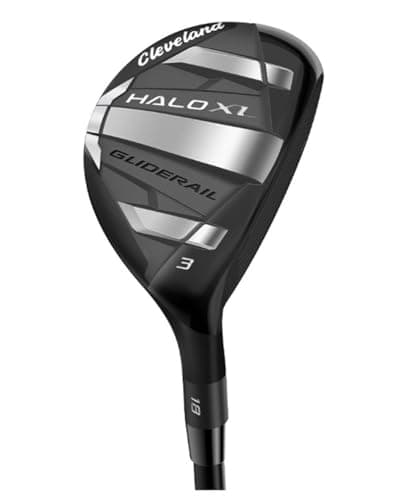
Cleveland Cleveland Launcher Halo XL Hybrid (24 degrees)
Cleveland Launcher Halo XL Hybrid (24 degrees)

The hybrid version of the irons we already rank for forgiveness — a rail sole that refuses to dig, in the loft most golfers actually need.

Golfers who hit the ground first
8.8
$138.04Amazon
02
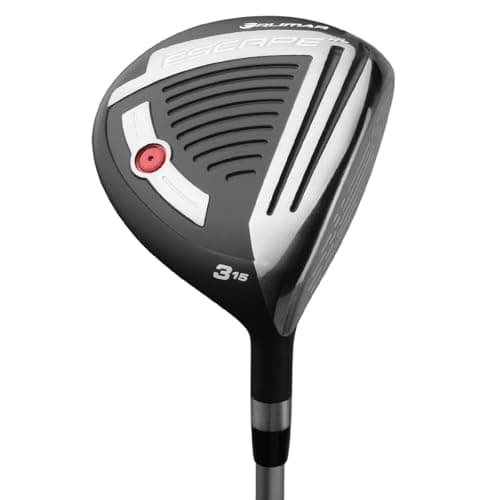
Orlimar Orlimar Escape HL Fairway Wood (5W, 19 degrees)
Orlimar Escape HL Fairway Wood (5W, 19 degrees)

A shallow-faced, high-launch 5-wood sold one loft at a time, at a price where the branded woods are still charging for the headcover.

The best fairway wood for the money
8.4
$89.99Amazon
03
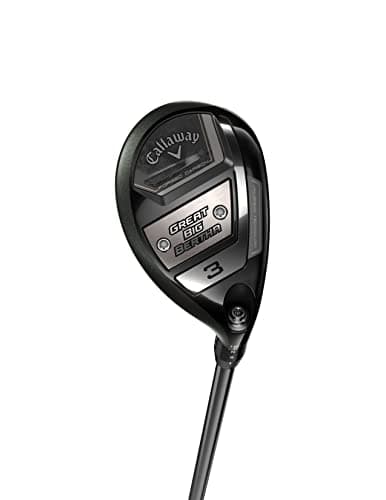
Callaway Callaway Great Big Bertha Hybrid (5H, 23 degrees)
Callaway Great Big Bertha Hybrid (5H, 23 degrees)

A past-season Callaway flagship built specifically for moderate swing speeds. The most club a value buyer can get in a hybrid.

Getting a long club airborne at moderate speed
8.4
$109.99Amazon
04
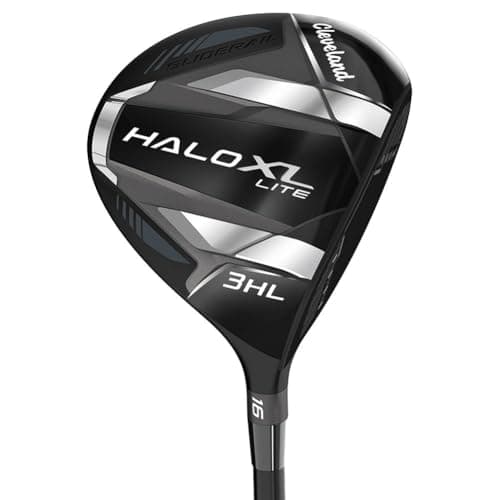
Cleveland Cleveland Halo XL Lite Fairway Wood (3W, 16 degrees)
Cleveland Halo XL Lite Fairway Wood (3W, 16 degrees)

The only kind of 3-wood a moderate swing should own — lighter head, extra loft, lightweight shaft — from a brand with a real dealer network behind it.

Anyone set on carrying a 3-wood
8.4
$163.53Amazon

#ad · Live prices from the Amazon Product API, as of October 17, 2026. Where we have no verified live price, we show none — we would rather leave a gap than print a number that has rotted.

In detail

The picks, in full

01
Cleveland Cleveland Launcher Halo XL Hybrid (24 degrees)

Golfers who hit the ground first

Cleveland Launcher Halo XL Hybrid (24 degrees)

24 degreesRail soleGraphite shaftSenior flex
8.8/10

The hybrid version of the irons we already rank for forgiveness — a rail sole that refuses to dig, in the loft most golfers actually need.

Forgiveness
9
Launch
9
Turf interaction
10
Build quality
9
Value
7

Pros

  • The sole rails stop the leading edge digging on a fat strike, which is the miss this club is bought to survive
  • Matches the Launcher XL Halo irons already on our irons list, so the set flows
  • Cleveland's stock graphite shaft is a genuinely decent one, not a filler

Cons

  • Costs more than both house-brand hybrids on this page
  • The rails are visible at address and some players hate the look

Don't buy this if…

…you strike your long clubs cleanly off tight lies. You are paying for a sole design built to rescue fat shots you do not hit.

$138.04View on Amazon

$199.9931% off

Price as of October 17, 2026. Prices change — Amazon's is the one that counts.

#ad · we may earn a commission from this link to Cleveland Launcher Halo XL Hybrid (24 degrees)

02
Orlimar Orlimar Escape HL Fairway Wood (5W, 19 degrees)

The best fairway wood for the money

Orlimar Escape HL Fairway Wood (5W, 19 degrees)

19 degrees (5-wood)42 inches, 150cc headEscape Ultralight graphiteLite or Regular flex
8.4/10

A shallow-faced, high-launch 5-wood sold one loft at a time, at a price where the branded woods are still charging for the headcover.

Forgiveness
8
Launch
9
Turf interaction
8
Build quality
7
Value
10

Pros

  • Orlimar publishes the entire ladder — eight woods from 15 to 37 degrees, each with its own length and head volume — so you buy the gap you actually have instead of the club the brand wants to sell you
  • Orlimar states that the shallow high-launch profile and rear weight port shift the center of gravity to promote a higher launch, controlled spin and a soft landing — exactly what a fairway wood is bought to do
  • The progressive internal heel weighting is a stated draw bias, which is the correct bias for the miss most amateurs actually have

Cons

  • The house-brand Escape Ultralight shaft has no published weight or torque, so you cannot fit yourself into it on paper the way you can with the Cleveland or the Tour Edge
  • Only two flexes exist in this family — Lite and Regular — so a fast, aggressive tempo has nowhere to go
  • Orlimar sells direct and through discounters, so the same club can carry noticeably different prices in the same week

Don't buy this if…

…you swing hard. There is no stiff flex in this family, and overpowering an ultralight shaft costs you both direction and the launch you bought the club for.

$89.99View on Amazon

Price as of October 17, 2026. Prices change — Amazon's is the one that counts.

#ad · we may earn a commission from this link to Orlimar Escape HL Fairway Wood (5W, 19 degrees)

03
Callaway Callaway Great Big Bertha Hybrid (5H, 23 degrees)

Getting a long club airborne at moderate speed

Callaway Great Big Bertha Hybrid (5H, 23 degrees)

23 degrees (5-hybrid)Light flexTitanium face and bodyAdjustable hosel
8.4/10

A past-season Callaway flagship built specifically for moderate swing speeds. The most club a value buyer can get in a hybrid.

Forgiveness
9
Launch
9
Turf interaction
7
Build quality
9
Value
8

Pros

  • Callaway builds the Great Big Bertha around a titanium face and body and says that frees roughly 100 grams to move low and back, which is what makes it launch so easily
  • Callaway states the head carries enhanced offset to reduce a slice — the miss this club is bought to fix
  • An adjustable hosel on a hybrid at this price is genuinely unusual

Cons

  • Past-season stock, so lofts and flexes come and go
  • Light flex is the only flex this listing carries — a fast, aggressive tempo will overpower it

Don't buy this if…

…you swing hard and fast. This is a lightweight head in the lightest flex Callaway builds; you want a regular or stiff-flex hybrid instead.

$109.99View on Amazon

Price as of October 17, 2026. Prices change — Amazon's is the one that counts.

#ad · we may earn a commission from this link to Callaway Great Big Bertha Hybrid (5H, 23 degrees)

04
Cleveland Cleveland Halo XL Lite Fairway Wood (3W, 16 degrees)

Anyone set on carrying a 3-wood

Cleveland Halo XL Lite Fairway Wood (3W, 16 degrees)

16 degrees (3-wood)43.75 inchesAldila Ascent PL 40, 44.5g in RGliderail sole
8.4/10

The only kind of 3-wood a moderate swing should own — lighter head, extra loft, lightweight shaft — from a brand with a real dealer network behind it.

Forgiveness
9
Launch
8
Turf interaction
9
Build quality
9
Value
7

Pros

  • Cleveland describes the Lite build as a lighter clubhead with modified weighting, 1.5 degrees of added loft and a lightweight shaft — a 3-wood engineered around the speed most golfers actually have rather than the speed they wish they had
  • A named, specified shaft at this price: the Aldila Ascent PL 40 at 43.5g in A, 44.5g in R and 47g in S, plus Action Mass CB, Cleveland's 8-gram counterweight tucked into the butt end
  • Gliderail puts two rails along the sole, which Cleveland says help keep the face straight through impact — this is the one club where sole design earns its keep

Cons

  • Comfortably the most expensive club on this page, and roughly double the house-brand woods for a difference you will feel mostly in the shaft
  • Sixteen degrees is still a 3-wood: the extra loft helps, but it does not turn the club into a 5-wood, and 43.75 inches is still 43.75 inches
  • A 44-gram shaft is a genuinely light build, and a fast, aggressive player will overpower it

Don't buy this if…

…you already struggle to get a 3-wood airborne off the deck. A lighter, higher-lofted 3-wood is still a 3-wood, and the honest fix is a 19-degree wood, not a better 16-degree one.

$163.53View on Amazon

Price as of October 17, 2026. Prices change — Amazon's is the one that counts.

#ad · we may earn a commission from this link to Cleveland Halo XL Lite Fairway Wood (3W, 16 degrees)

How we picked

We do not run a testing lab

We compiled the published specifications, did the cost-per-round and value math, and read the independent robot and launch-monitor data — then scored each product against a published rubric. The scores are judgments from documented research — they are not measurements we took, because we do not have a lab and we are not going to pretend we do. Where a number came from someone else's lab, we name them and link them in Sources.

Questions

Frequently asked

Should I carry a hybrid or a fairway wood?
If you are buying one, buy the hybrid: the shorter shaft and compact head make it the easier club from turf and rough, which is where most amateurs need it. Add a higher-lofted fairway wood — 19 degrees rather than 16 — when you want more distance from flat lies and off the tee.
Is a hybrid easier to hit than a fairway wood?
For most golfers, yes. It is shorter, which improves strike, and its smaller head gets in behind the ball in rough. A fairway wood is longer and faster, so it goes further when you catch it clean — and punishes you more when you do not.
What hybrid replaces a 5-wood?
A 3-hybrid at around 19 to 21 degrees covers roughly the same yardage window as a 19-degree 5-wood, but it will usually fly a little lower and run out more. If you need the ball to land softly on a long par 3, keep the wood.
Do I need a 3-wood at all?
Most mid and high handicappers do not. Sixteen degrees is hard to launch off the deck, so the club ends up being a second driver used from the tee only. A 19-degree wood or a 24-degree hybrid gets used from everywhere.
How far should a hybrid go?
That depends entirely on your speed, and the honest amateur numbers are shorter than the charts built from tour data. Shot Scope's tracked figures put a 20-handicap 4-iron-or-hybrid at about 130 yards and a 3-wood at about 195. Find your own gap on our distance chart before buying either club.

Keep reading

Receipts

Sources

We do not run a testing lab, and we do not pretend to. Where a measured number came from someone else's lab or robot, we name them and link them. Where we could not verify something, we say so on the page rather than quietly leaving it out. Read our full method.