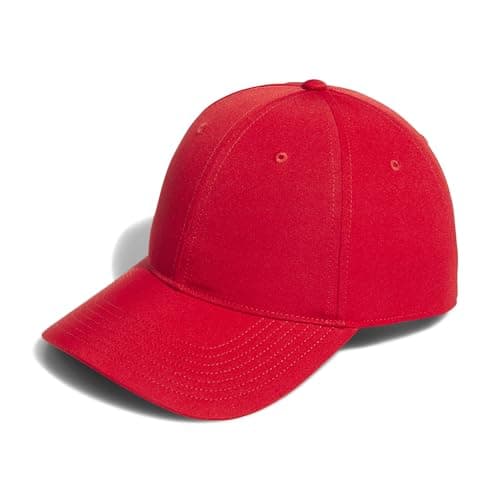
A golf hat does two jobs: it keeps sweat out of your eyes and it keeps the sun off your skin. Almost every hat sold as golf headwear is competent at the first and silent about the second. That silence is the whole story of this category. Of the five hats below, exactly two have a maker that publishes a sun-protection rating — and the hat that handles heat best is one whose own brand states, in writing, that it has no built-in UV protection at all. If you want a plain cap that does the sweat job for the least money, buy the adidas. If you want the sun job done properly, buy the Columbia booney and accept that it does not look like tour gear.
How we ranked these
We do not run a lab and we have not put these five hats on a UV meter. What we did instead is read what each brand publishes on its own product page, then rank on the claims a brand is willing to stand behind in writing. On a value site that distinction matters more than it sounds: a “sun-protective” claim on a reseller listing is marketing copy someone typed, while a UPF number on the manufacturer's page is a rating the manufacturer has to defend. Our methodology page spells out the same rule for every category on this site.
Four criteria, weighed together. The top spot goes to the hat that does the most of this for the least money, not to the most expensive one:
- Published sun protection.A UPF rating from the brand, or nothing. UPF is a fabric rating — UPF 50 is the top tier most apparel carries, and it is the number that separates a sun hat from a hat you wear in the sun.
- Sweatband and airflow. The failure mode of a cheap cap is a saturated band dripping into your eyes on the twelfth. Wicking band, vented panels, a crown that dries between rounds.
- Coverage. A standard curved bill shades your eyes and the bridge of your nose. It does nothing for your ears, the back of your neck, or the side of your face, which is where golfers actually burn.
- Price against the above. A $45 cap has to earn the difference over a $20 one with a feature you can name, not a logo.
The thing nobody tells you about golf caps and sun
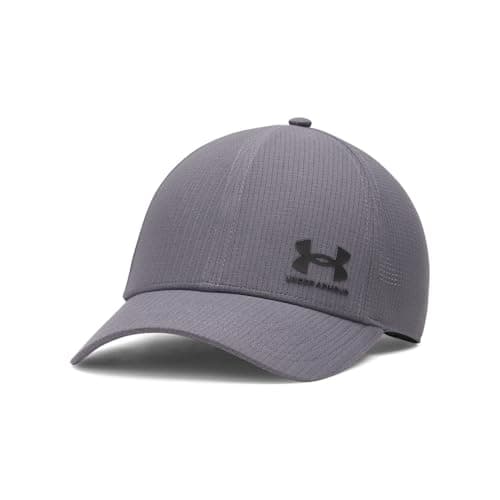
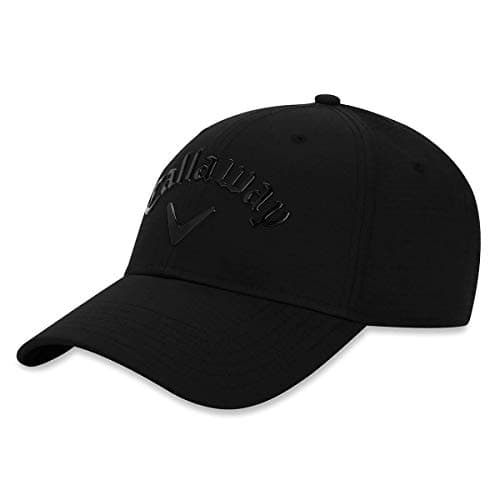
Walk into any pro shop and every cap on the wall implies sun protection without claiming it. Then you read the actual product pages. Under Armour's listing for the Iso-Chill ArmourVent adjustable hat — a genuinely excellent hot-weather cap — says the hat does not feature additional built-in UPF protection. adidas publishes fabric content, panel count and closure type for its Performance Crestable hat, and no UPF figure. Callaway describes the Liquid Metal cap as “performance fabric” and leaves it there; the UV and antimicrobial claims you will find quoted for that hat come from retailer listings for older model years, not from Callaway.
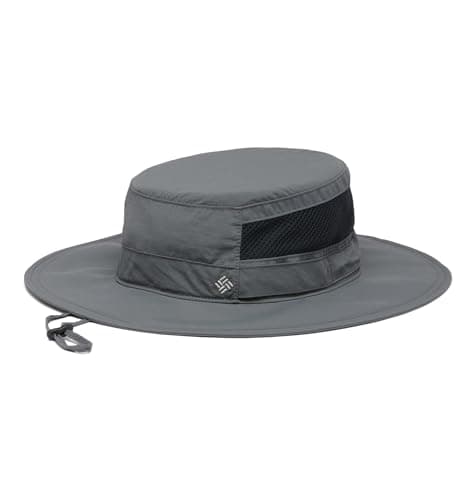
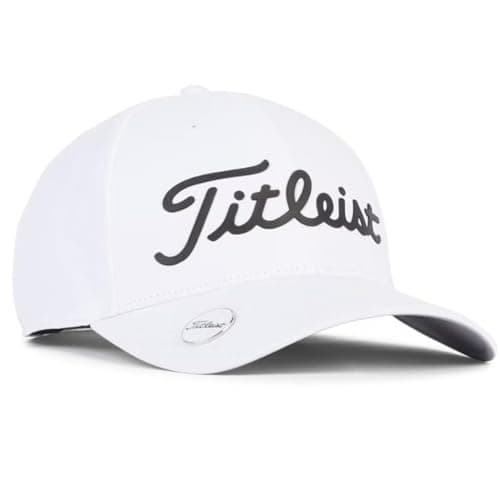
Titleist is the exception among the caps: it advertises UPF 50+ on the Players Performance Ball Marker hat. And Columbia, a company that does not sell golf clubs, publishes the cleanest number of all — Omni-Shade UPF 50 on the Bora Bora II Booney, with the honest footnote that the rating does not apply to the mesh vent panel.
None of this means an unrated cap is useless. A tightly woven polyester crown blocks a lot of light by physics alone. It means that if sun protection is the reason you are buying, you should buy from the two brands willing to print a number, and you should understand that a 2.5-inch curved bill is a visor for your eyes, not cover for your skin.
Cap, booney or visor?
The three shapes solve different problems and most golfers own the wrong one for their climate.
- The cap. Shades the eyes, keeps sweat off the face, looks like golf. The default for a reason, and the right answer if you play before 10am, after 4pm, or in a climate where the sun is rarely overhead.
- The wide-brim booney. Three inches of brim all the way around, which is the only shape here that covers ears and neck. It is the correct hat for a July round in Phoenix or Florida and the wrong hat for a club with a dress code opinion.
- The visor. Maximum airflow, zero crown coverage. Great if you have a full head of hair and hate a hot crown; the worst possible choice if you are thinning on top, which is exactly the scalp that burns.
We have not ranked a visor here because none of the golf visors we could resolve on a live listing publishes anything useful about its fabric — and a visor's one real decision, whether you want your crown exposed, is not a thing a spec sheet can answer for you.
Why the cheap cap wins
The adidas Performance Crestable hat takes the top spot on value arithmetic, not enthusiasm. It is a six-panel cap with a moisture-wicking sweatband, a pre-curved brim and a snapback closure, built in recycled polyester, and adidas publishes all of that. The Titleist is the most expensive cap here and adds two things over it: a UPF 50+ claim and a magnet in the bill for a ball marker. Both are real. Neither is worth a large premium.
If you want the sun protection the Titleist advertises, the Columbia booney gives you a published UPF 50 and several times the coverage, in the same price bracket as a plain cap. So the honest shape of this category is: buy the cheap cap for most rounds, and buy the booney for the summer rounds that actually burn you. Two hats, and you have still spent less on headwear than one premium driver grip costs to fit.
Fit, sizing and the one-size-fits-most problem
Four of the five hats here are sold as one size fits most with an adjustable closure. That works for the middle of the bell curve and fails at both edges. Two practical notes from the published sizing and the review consensus:
- Snapback holds better than hook-and-loop. The adidas uses a plastic snapback; the Titleist and Callaway use an adjustable strap. A snapback keeps the setting you chose; a hook-and-loop strip loses grip as it collects lint and hair, which is why old caps creep looser every season.
- The Columbia runs large. Reviewers consistently report it fits slightly big, and it is the one hat here sold in actual head sizes rather than one-size. Size down if you are between sizes, and use the rear drawcord toggle to take up the rest.
What to do about the rest of your sun kit
A hat is one third of the problem. The lens tint you wear under it decides whether you can read a green in glare — our guide to the best lens color for golf explains why a warm tint beats the grey lens almost every cheap pair ships with, and the best golf sunglasses roundup ranks the pairs themselves. The third part is the shirt: a UPF-rated polo covers far more skin than any hat, and the best hot weather golf clothes page sets out the whole summer kit. If you are putting a first wardrobe together rather than filling a gap, start with what to wear for golf as a beginner, which covers the dress-code questions a hat alone does not answer.
The short version
Buy the adidas if you want one plain cap and you are not trying to solve a sun problem. Buy the Columbia Bora Bora II Booney if you burn, if you play in real summer heat, or if you have had a dermatologist look at your ears. Buy the Under Armour Iso-Chill if humidity is what ruins your rounds and you already handle sun with sunscreen and a shirt. Buy the Titleist if you want one cap that does the most jobs and you will wear the logo. Buy the Callaway only if you like the look and you have found a past-season colorway discounted; at full price the adidas does the same job for less.
What UPF actually tells you
UPF rates a fabric, not a product. A UPF 50 fabric is rated to let through a fiftieth of the UV that reaches it, and the rating comes from the weave density, the fiber, the color and any UV absorbers built into the finish. Columbia says its Omni-Shade fabric uses tight weave construction plus UV absorbers and reflectors to block UVA and UVB — and says plainly that the rating does not cover the mesh panel. That caveat is the useful part: a hat is a UPF 50 hat only where the UPF 50 fabric is.
It also means an unrated hat is not an unprotective hat. A dark, tightly woven polyester crown blocks plenty. It simply has no number behind it, and on a site about spending money well, a number you can check beats a claim you cannot.
Sweatband: the spec no one publishes properly
Every hat here claims moisture wicking. One does something different: Under Armour's Iso-Chill band and front-panel lining are built to disperse body heat so the material feels cool against skin. That is a real, noticeable difference on a humid afternoon, and it is why the Iso-Chill is on this page despite having no UV rating. If your complaint about hats is heat rather than sun, that is the hat.
Structure matters too. A structured crown holds its shape through repeated soakings; an unstructured cap goes limp and stays limp. Four of these five are structured or semi-structured; the booney is the odd one out by design, because packability is the point.
Brim shape, and the tan line that tells you the truth
Look at a golfer's neck at the end of August. The burn is on the ears, the nape, and the left side of the face for a right-hander standing over the ball. A curved cap bill covers none of those. If you have ever had a dermatologist mention sun damage, the brim width is not a style question and a three-inch booney brim is the single most effective piece of golf apparel you can buy.
What a hat costs over a season
Hats are the one category where the value math is almost too easy. A plain performance cap costs less than a sleeve of premium balls and lasts several seasons. The premium you pay for a tour logo buys no distance, no forgiveness and no strokes. Our guidance across this site is the same: put the money where it changes the result — the ball, the wedge, the fitting — and buy the hat on function. If you want the argument in full, read are expensive golf balls worth it, which applies exactly the same test to a category where the premium is defensible.