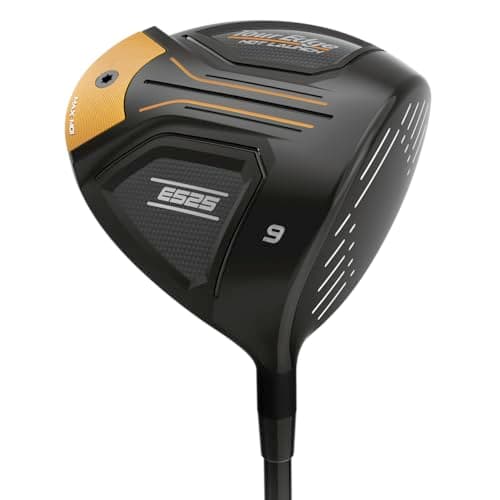
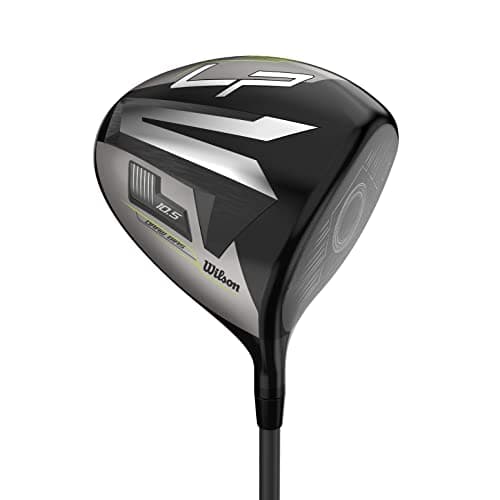
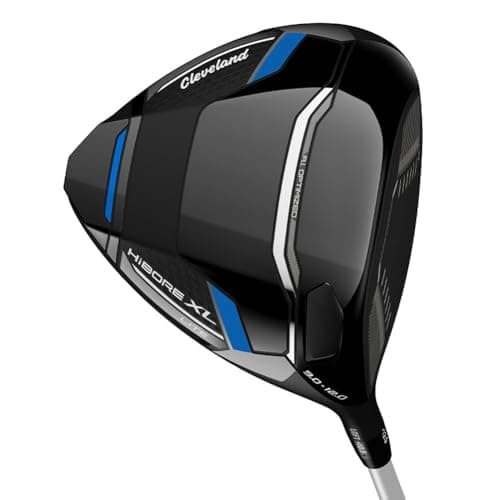
The Cleveland HiBore XL Lite is the senior pick — a deliberately lightweight head sold in senior flex off the shelf, which is exactly the combination most drivers do not offer. The Tour Edge Hot Launch E525 is the cheapest genuinely forgiving option, and the Wilson Launch Pad 2 is the pick if a slice is the bigger problem than distance.
A note on the prices below. Complete-set and club prices on Amazon swing widely with third-party sellers — the live number on each card is today's, stamped with the date we checked it. If a set looks overpriced, it usually is, and it tends to come back down; it's also often cheaper in-store or direct. Treat the live price as a starting point and shop it around before you buy.
Where senior distance actually goes
Golfers assume lost distance is a strength problem. Mostly it is not — it is a clubhead speed problem, and clubhead speed is produced by how fast you can move the club, not by how hard you can hit it. As flexibility and rotational speed decline, the driver in the bag usually stays the same: a stiff-ish shaft in a head built for someone swinging 105 mph. That mismatch costs launch angle, costs smash factor on center, and turns every slight mishit into a much bigger loss than it used to be.
Three specs fix most of it, and none of them is the brand on the crown.
The three specs that matter
- Total weight. This is the biggest single lever. A lighter head and shaft let you swing faster for the same physical effort, and speed is the main input to distance. Cleveland builds the HiBore XL Lite 32 grams lighter than the standard head for exactly this reason.
- Shaft flex.A shaft that is too stiff will not load and unload with a slower swing, so the face arrives open and low. Senior (A) flex exists for a real reason. Buying a regular-flex club because "senior" sounds like a demotion is one of the most common and most expensive bits of ego in golf equipment. See what shaft flex do I need.
- Loft. Slower swings need more of it. If you have played 9.5 or 10.5 degrees for twenty years, going to 12 will very likely gain you carry, because you are no longer producing the ball speed to hold a low launch in the air.
Why these drivers and not the flagship
Flagship drivers spend most of their engineering budget on adjustability and on ball speed for fast swingers — neither of which is your constraint. What you need is a light build, a high launch profile, a high MOI head that keeps mishits online, and a shaft that matches your speed. Every driver on this page delivers that, and all of them sit well under flagship money. The Tour Edge in particular publishes an MOI above 5,000 g-cm², which is flagship-level stability at a fraction of the price.
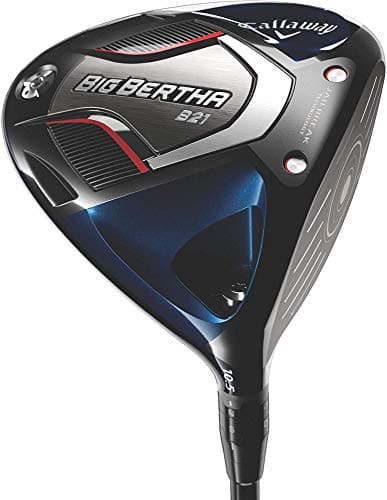
The draw-biased options matter too. If your miss is a slice — and for slower swings it usually is, because the face has less time to square — the Wilson Launch Pad 2 and the Callaway Big Bertha B21 both build in draw bias. Straightening a slice gains far more real-world distance than any face technology, because a ball in the fairway rolls and a ball in the trees does not.
The cheaper thing to try first
Before you buy anything: put a lighter, softer shaft in the driver you already own. A reshaft costs a fraction of a new driver and addresses the exact spec that is usually wrong. If you are within a season or two of buying anyway, buy new; if your current head is fine and only the shaft mismatches, a reshaft is the better value trade — the same logic we use in how much a fitting helps.
And if the driver is not the only club fighting you, the whole-bag version of this argument is on best golf clubs for seniors.