01
Maximum forgiveness off the tee
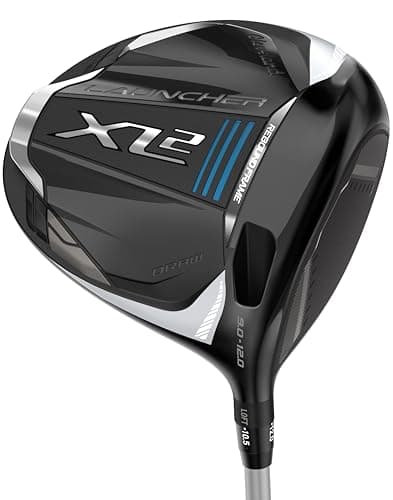
Cleveland Launcher XL 2 Driver
Large 460cc headHigh MOIStock adjustable loftLightweight option
7.6/10
A big, stable, forgiving head that gives up almost nothing to the flagships — last-gen value done right.
- Forgiveness
- 9
- Distance
- 8
- Adjustability
- 6
- Feel
- 7
- Value
- 8
Pros
- A large, high-MOI head that is very stable on off-center hits
- Real distance that holds up well against much pricier current drivers
- Often available at a steep discount as newer models launch
Cons
- Less low-spin tuning than a premium adjustable driver for a fast swing
- Chasing the newest release costs far more for marginal gains
Don't buy this if…
…you're a low-spin, high-speed player chasing a specific launch window. A fully adjustable flagship gives you more knobs to turn — for a lot more money.
$299.99View on Amazon
Price as of October 20, 2026. Prices change — Amazon's is the one that counts.
#ad · we may earn a commission from this link to Cleveland Launcher XL 2 Driver