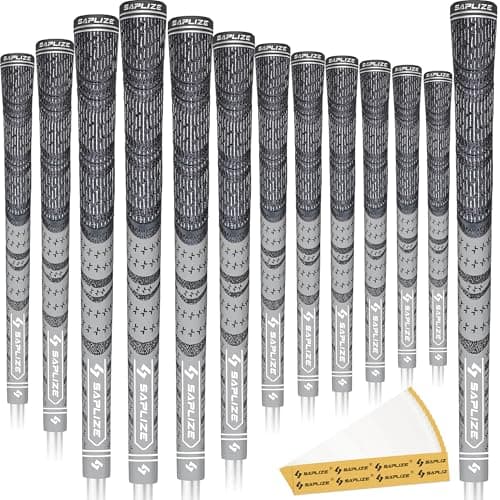
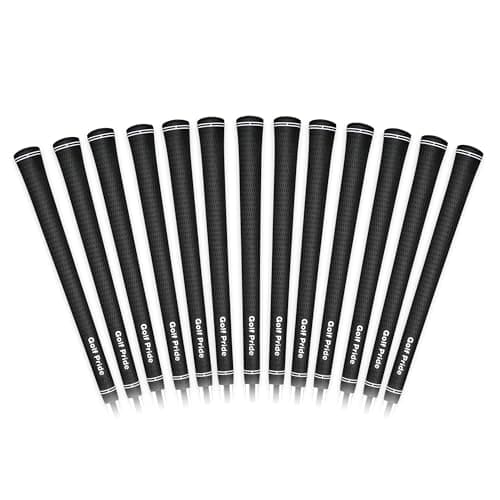
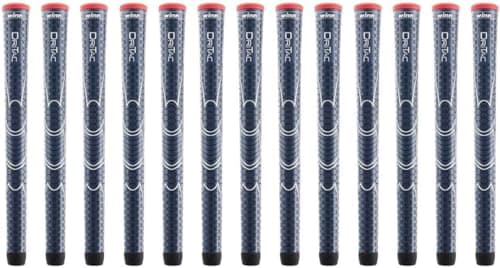
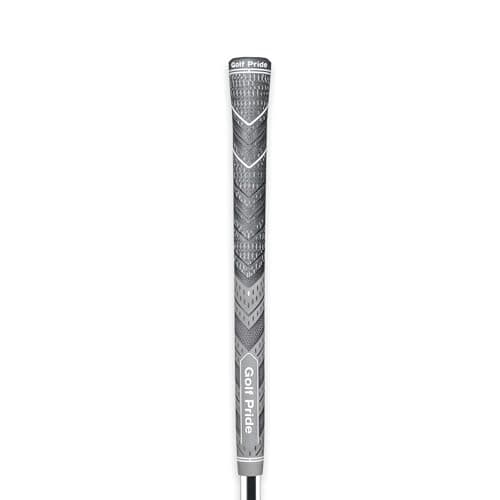
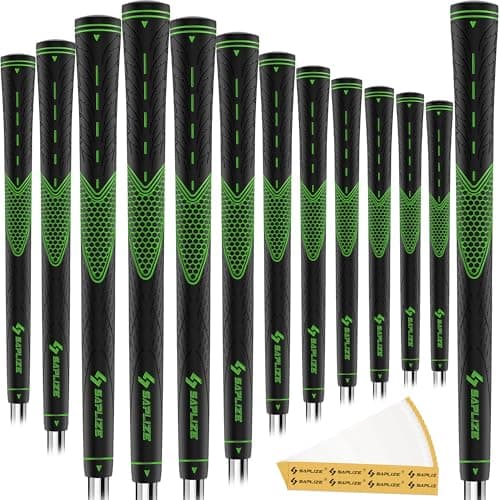
The SAPLIZE G30 Classic 13-pack is the value winner — a full set of grips plus the tape for a fraction of what a premium 13-pack costs. The corded CL03 set is the answer for sweaty hands, the Golf Pride Tour Velvet is the industry standard, and the Winn Dri-Tac is the one to buy if your hands hurt.
Why grips are the best value in golf equipment
Everything else in your bag is a compromise between money and marginal gain. Grips are not. A worn grip is genuinely costing you shots — when the rubber goes hard and shiny, you instinctively hold on tighter, and grip pressure is one of the most reliable destroyers of clubhead speed and tempo there is. Fresh grips do not make you better; they stop a specific thing from making you worse.
The math is absurd in your favor. A full set of thirteen value grips costs less than a single round at most courses, and it upgrades every club you own at once. Nothing else on this site has that ratio — not a driver, not a ball, not shoes. If your grips are more than two seasons old and you have never replaced them, stop reading and do that first.
How to tell when you need new grips
- The shine test. A grip that reflects light along the top of the shaft has lost its texture. That gloss is worn rubber, not dirt.
- The wash test. Wash them with warm soapy water and a brush. If tack comes back, you bought yourself a season. If it does not, they are done.
- The glove test. If you have started needing a new glove far more often, or gripping harder in light rain, the grip is the variable that changed.
- The calendar. A round or two a week means roughly annual regripping. Forty rounds a year means every two years. Grips also harden with age in a garage, not just with use.
Grip size matters more than grip brand
This is where most golfers leave performance on the table. A grip that is too small encourages over-active hands and a hook; a grip that is too large quietens the hands and can leak shots right. The rough guide is glove size: a men's medium glove usually maps to a standard grip, medium-large or large to midsize, and extra-large or long fingers to midsize or jumbo. Golfers with arthritis often go a size up regardless, because a bigger grip needs less squeeze.
Almost every value 13-pack now sells in undersize through jumbo for the same money, so getting this right costs nothing extra. It is one of the very few free upgrades in golf equipment, and it is also why we would rather see someone buy a correctly sized value grip than a badly sized premium one.
Rubber, cord, or soft polymer?
Plain rubber is the default and right for most people — comfortable, tacky enough in dry conditions and cheap. Corded grips weave cotton cord into the surface so they keep working when your hands are wet; if you play in humidity, rain or you sweat heavily, this is a real fix rather than a preference. The cost is comfort: cord is abrasive, and you will want a glove. Soft polymer grips like the Winn Dri-Tac absorb shock and need very little grip pressure, which is why they dominate among older golfers and anyone with sore hands — at the cost of durability.
Regripping yourself is genuinely easy
A shop will charge you a few dollars a club on top of the grips, which can double the cost of a value set. Doing it yourself needs a hook blade, double-sided grip tape, grip solvent (mineral spirits work) and about fifteen minutes for the first club, five for the rest. Most of the value sets on this page ship with the tape included and some with a full kit, which is a deliberate part of their pricing. If you are nervous, do your 7-iron first — if it goes badly, it is one grip.
Where we would not spend more
Aligned grips, tour-branded editions and premium multi-material builds all work fine, but the performance gap over a correctly sized value grip is small, and the gap over your current worn grips is enormous. Spend the difference on a fitting or on the gap wedge you are missing. That is the whole spend-where-it-matters argument in one category.