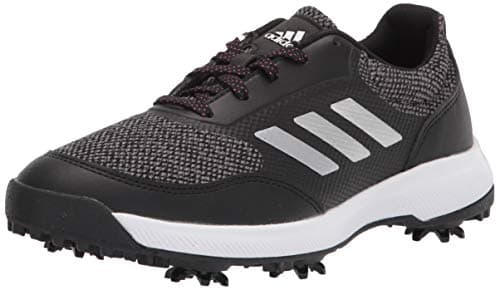
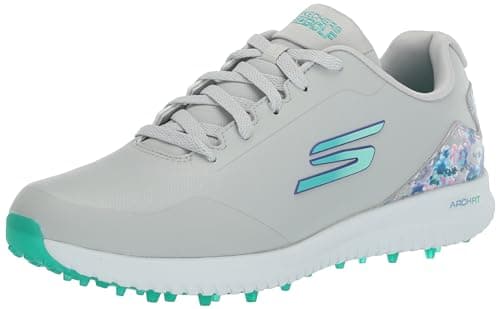
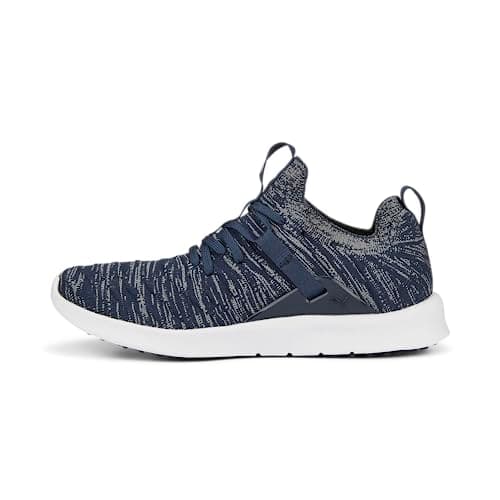
The past-season Puma Laguna Fusion is the value winner — a genuine tour-brand spikeless shoe for less than most sneakers. The adidas Tech Response is the pick if you want real spikes and a waterproof warranty, and the Skechers Go Max Arch Fit is the one to buy if you walk 18 and feel it afterwards.
Spiked or spikeless — the first decision
The same split as the men's version of this question, and the answer turns on where and when you play.
Spiked shoes use replaceable soft cleats that dig into turf for maximum grip on wet or sloping ground. If you play early mornings, in real weather, or on a hilly course, they are worth the trade. Spikeless shoes use a molded outsole with dozens of small lugs; they grip well enough for most swings in most conditions, they are far more comfortable to walk in, and you can wear them off the course.
For a value buyer the spikeless shoe usually wins, because it does two jobs. Only the adidas here is spiked, and it is here specifically for the golfer who needs that grip.
How women's golf shoes actually differ
It is not just a smaller size. A women's last — the shape the shoe is built around — is narrower through the heel relative to the forefoot, has a higher instep, and typically a slightly higher arch. Brands also tune the midsole firmness for lower average body weight, which is why a women's shoe often feels softer underfoot than the men's equivalent.
The practical consequence: if you have been buying men's shoes in a smaller size because they were cheaper, the heel is almost certainly slipping. Heel slip is the leading cause of blisters, and blisters end rounds.
Fit notes by brand, because the lasts genuinely differ
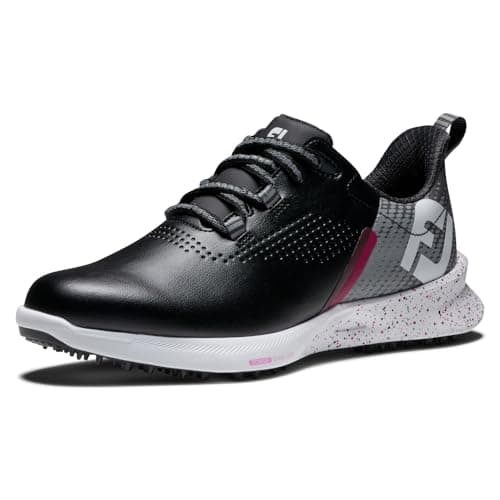
- FootJoy runs narrow. If you have a wide foot, this is not your brand without going up a width.
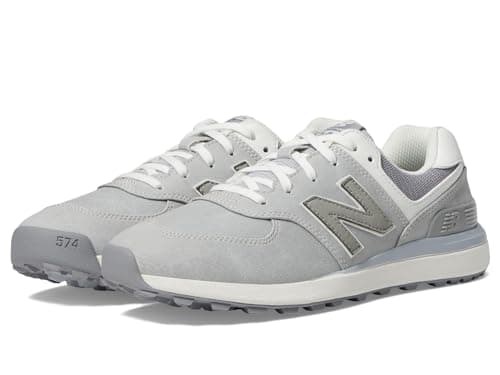
- New Balance offers the best width range in golf, and the 574 last is roomy through the forefoot. The wide-foot answer here.
- Skechers runs generous and soft, with the deepest cushioning on this page.
- adidas runs true to size but firm, with less give in the upper than the knit and mesh shoes.
- Puma runs true to size with a stretchy knit upper that accommodates a range of foot shapes.
Waterproofing is the spec that is quietly missing
Three of the five shoes here are waterproof and two are not, and the listings do not always make this obvious. A knit or mesh upper — however comfortable — soaks through in dew within a few holes. That is fine for a summer afternoon and miserable at 8am in spring.
If you play early or in the shoulder seasons, treat waterproofing as non-negotiable and buy the adidas, the FootJoy or the Skechers. If you only play in dry conditions, the Puma and the New Balance are more comfortable shoes for the money. Our waterproof roundup goes deeper on how the membranes actually work.
Sizing when you cannot try them on
Measure your foot at the end of the day, when it is at its largest, standing with weight on it. Compare against the brand's own size chart rather than converting from a shoe you already own, because golf lasts differ from street lasts even within a brand.
Then size for the longer foot — almost everyone has one — and wear the socks you actually play in when you try them. A golf sock is thicker than a dress sock and thinner than a hiking sock, and both errors change the fit by roughly half a size.
What we would actually buy
A new golfer playing summer weekends: the Puma Laguna Fusion, at a price that makes the decision easy. A golfer who plays whatever the weather: the adidas Tech Response, spiked and waterproof. A golfer who walks and whose feet complain: the Skechers Go Max Arch Fit. And if you have a wide foot, take the New Balance and accept it is a dry-weather shoe — fit beats every other feature on this page.
If you are buying clubs at the same time, our women's set roundup applies the same logic: get the fit right first, and the badge second.