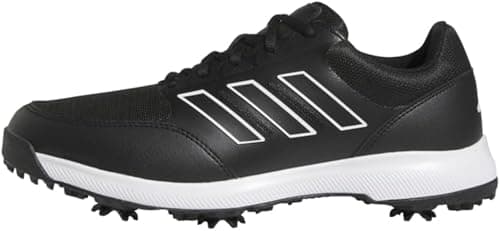
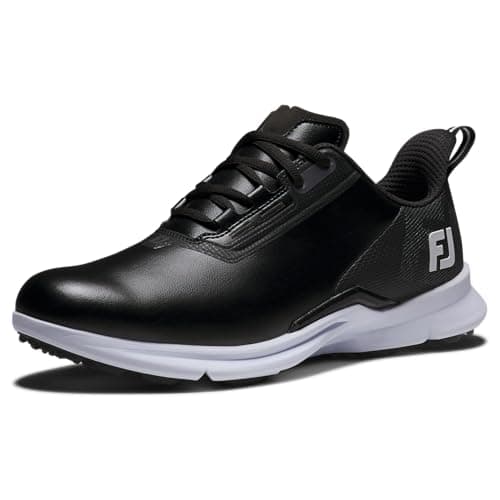
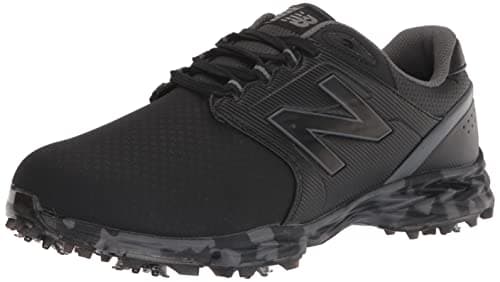
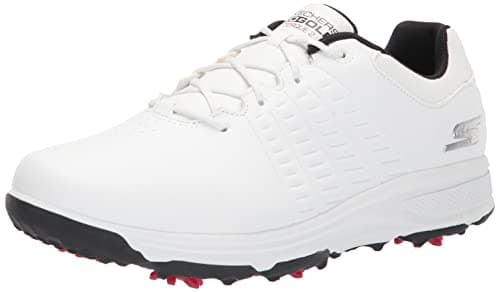
Start with the Skechers Go Golf Torque Pro. GOLF.com's own wide-fit shoe round-up names it as one of the models that offers wide-fit options, it is a spikeless shoe you can walk 18 holes in, and it sits under $100. If you want a spiked shoe, the adidas Tech Response line is sold in a Wide designation; if your feet are wide and you want a waterproof warranty, FootJoy is the brand that publishes the widest range of widths in golf.
Why a size up is the wrong fix
This is the most common mistake in golf footwear. A wide foot in a standard-width shoe feels pinched across the ball of the foot, so the obvious move is to buy half a size or a full size longer. That does add forefoot width — a little — but it also adds length, and length is what anchors your foot to the shoe. Now your heel slips, your toes slide forward on the downswing, and the shoe's arch support sits behind your actual arch.
Golf is not a straight-line sport. Your trail foot resists a rotational load on every full swing and your lead foot absorbs it. A foot that moves inside the shoe is a foot that cannot push against the ground, which is where the swing gets its speed. That is the real cost of the size-up fix: not discomfort, footing.
What the width codes mean
| Code | Name | Who it is for |
|---|
| D | Standard (men's) | The default width almost every golf shoe is sold in |
| E / W | Wide | One step out; the width most "wide" golf shoes offer |
| 2E | Wide / Extra Wide | The common wide-fit golf designation |
| 4E | Extra Wide | Rare in golf; mostly a running and walking-shoe width |
The codes are the standard US footwear width ladder, and a wide-fit shoe keeps the same length while adding room across the forefoot and midfoot. GOLF.com's wide-fit guide names the designations it finds in golf — Wide (E) and Wide — rather than a full 2E/4E range, which matches what is actually on the shelf: golf has far fewer widths than running does, and the brands that offer them tend to do so on specific models rather than across a whole line.
The brands that actually do widths
- FootJoy.The widest width range in golf, full stop. FJ's fit programme runs across its line and wide and extra-wide listings turn up at retail for value models like the Fuel as well as the premium ones. If nothing else fits, start here.
- Skechers.Relaxed-fit and wide-fit options across its golf range, and the Go Golf Torque Pro is named in GOLF.com's wide-foot guide. Skechers also builds its golf shoes on walking-shoe lasts, which means the standard width is already roomier than most.
- adidas.Offers specific Wide SKUs — the Tech Response SL 3.0 Wide and the S2G Wide Spikeless are both named in GOLF.com's guide. Note that the Wide version is a separate product listing, not a width option on the standard one.
- New Balance. The brand built its reputation on multiple widths, and its golf shoes carry that DNA, including the value-priced Striker v3. Check the listing for which widths are stocked in your size before you order.
What to look for beyond the width label
Width on the box is the headline; three other things decide whether a shoe works for a wide foot.
Spikeless over spiked, usually. A spikeless outsole is generally built on a softer, more flexible platform that gives a little across the forefoot. A rigid spiked chassis does not. If you are between fits, spikeless is the forgiving choice — our spiked vs spikeless guide covers what else changes.
Knit and mesh uppers stretch; leather does not. A knit upper accommodates a wide foot in a way a synthetic-leather one never will. The trade is water resistance, which is why you should read best waterproof golf shoes if you play wet mornings.
Lacing that reaches the toe. A lacing system with eyelets set further forward lets you release pressure exactly where a wide foot needs it. A shoe with only three rear eyelets, or a single dial, gives you almost no control over forefoot volume.
How to measure your own width in two minutes
Stand on a sheet of paper, weight on both feet, and trace around the widest part of each foot. Measure that line in inches. Compare it against the brand's own size chart — FJ, New Balance and Skechers all publish one — rather than against another brand's. Do it late in the day, with the socks you play in, because feet swell measurably over a round. And measure both: most people have one foot wider than the other and should fit the bigger one.
If after all that the shoe still pinches, the honest answer may be that you do not have a wide foot but a high-volume one, which is a different problem that a thinner insole fixes for $15. Pull the stock insole, play a round, and see.
Our honest position on this page
We do not run a shoe lab and we have not put calipers on these four. What we have done is read the published width availability from the brands and the one major-outlet wide-fit round-up that names models, and cross-checked it against the value shoes this site already ranks in best value golf shoes. Width availability also moves: a model can be in stock in Wide one month and standard-only the next, so check the width dropdown on the listing before you commit.
One fit problem deserves its own page: if the shoe pinches across the ball of your foot, do not solve it by going up a size. Best golf shoes for wide feet explains what that costs you in footing and which value models are actually sold in wide widths.
These rankings assume a standard-width foot. If yours is not, best golf shoes for wide feet re-sorts the same shoes by which ones are offered in wide fits.
Rain and cold usually arrive together, but they are not the same kit problem. Best cold weather golf gear ranks the same category for warmth and wind chill, and puts a measured number on what the cold costs you in yards.
For the other end of the calendar, best cold weather golf gear covers the layering order that keeps you warm without costing you shoulder turn.