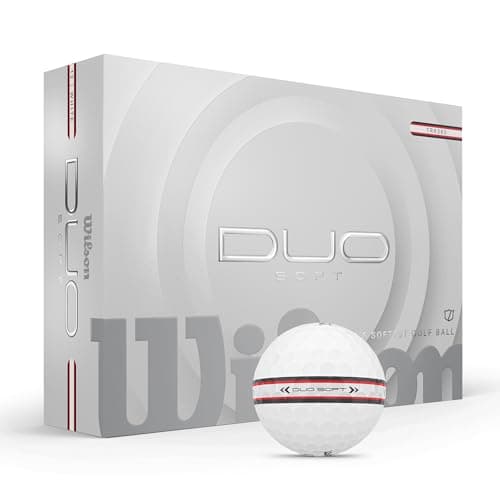
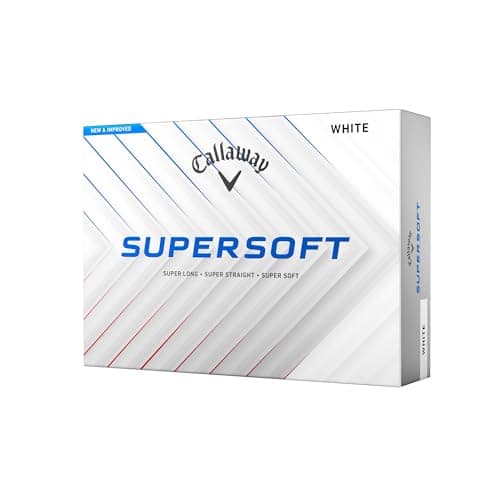
If your driver swing is on the slower side — roughly under 85 to 90 mph — play the lowest-compression ball you can, and the Callaway Supersoft is the pick, with the Wilson Duo Soft the softest option just behind it. A ball you can actually compress launches easier, feels better, and travels farther for your speed than a firm ball you cannot.
This is the swing-speed page. Our best golf balls for seniors list gets at the same idea from the angle of age, and best golf balls for womenfrom the angle of the women's-specific models, but swing speed is the real mechanism, and plenty of slower swingers are neither. If you swing under about 90 mph — and most amateurs do, usually slower than they think — the science below is what actually decides your ball, whatever your age. The good news is that fixing this costs nothing extra: the right ball here is also one of the cheapest, because the low compression that helps a slow swing is inexpensive to build well.
Why compression is the whole story
When the clubface meets the ball, the ball squashes for a fraction of a second and springs back, and that spring is where distance comes from. To get the full spring-back you have to compress the ball meaningfully — and that takes clubhead speed. A firm, high-compression ball is built for fast swings; deliver less speed and it barely deforms, so it feels hard, launches low, and comes up short. A low-compression ball squashes efficiently at slower speeds, so it launches easily, feels soft, and holds its distance. For a slower swing, the "distance" ball on the box is usually the shorter one, and a soft, low-compression ball is both the longer and the more comfortable choice. The full mechanism is in our golf ball compression explained guide.
The soft, straight picks
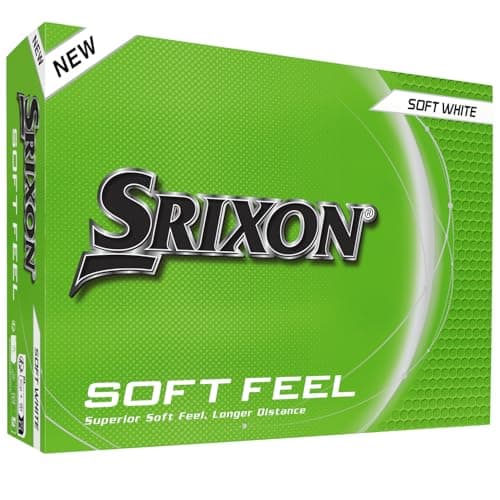
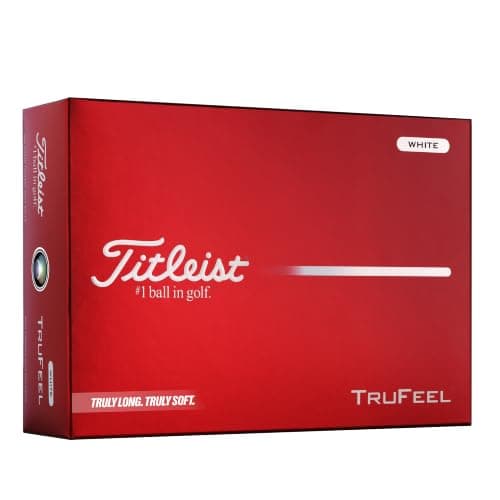
Four of these balls do the core job — compress easily and fly straight. The Callaway Supersoft wins on the blend of ultra-low compression, one of the softer feels you can buy at the price, and a straight flight that helps a slice. The Wilson Duo Soft is the softest of all — among the lowest-compression balls made, a genuine help under about 85 mph, though so soft that a faster swing over-compresses it into mush. The Srixon Soft Feel is a touch firmer and a little longer while staying soft, and often the cheapest per ball; the Titleist TruFeel adds Titleist quality control and easy availability for the buyer who wants a familiar name. All four give up greenside spin — that is the trade for this much ease, and for this player it is the right one.
Two picks for a specific need
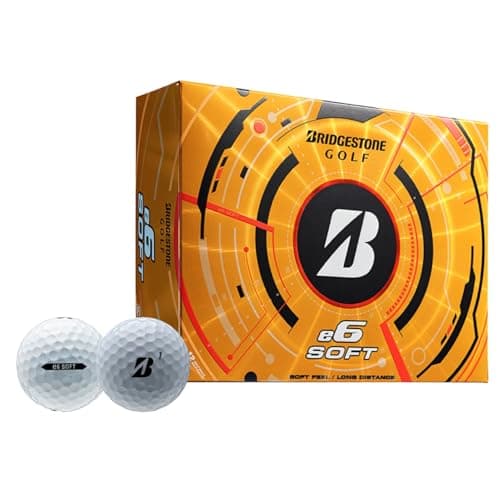
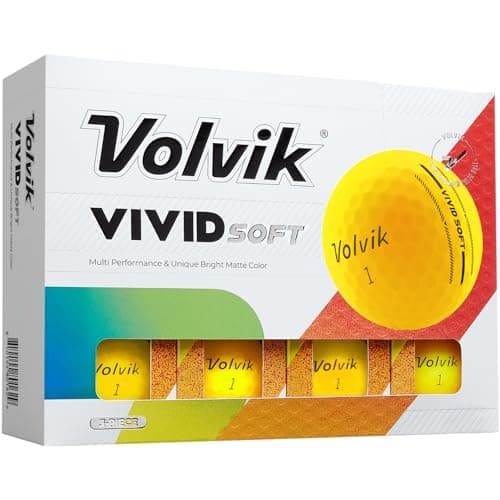
The last two solve particular problems. The Bridgestone e6 is built to reduce sidespin off the driver, so if a slice is the miss that costs you most, its straighter flight is a quiet help on top of the low compression. The Volvik Vivid is the easy-to-find option — its matte, high-visibility finish makes the ball genuinely simpler to track in the air and locate in the rough, and it is low-compression too, so a slower swing still launches it easily. You pay a small premium over a plain white value ball for that color tech, which is worth it only if visibility matters to you.
Match the box to your speed, not the marketing
The one habit to break is buying a ball because a better, faster player uses it. Tour balls are firm because tour swings are fast enough to compress them; borrow that ball with a slower swing and you inherit the firmness without the speed to unlock it. Ignore the "distance" and "tour" language on the box and buy the compression that matches you. For most slower swingers that means a soft, low-compression value ball — which, conveniently, is also one of the cheapest things on the shelf. Start with the Supersoft, and if you want to go softer still, the Duo Soft. To confirm the match, run your speed through our compression guide, then narrow the field on the best soft golf balls ranking.