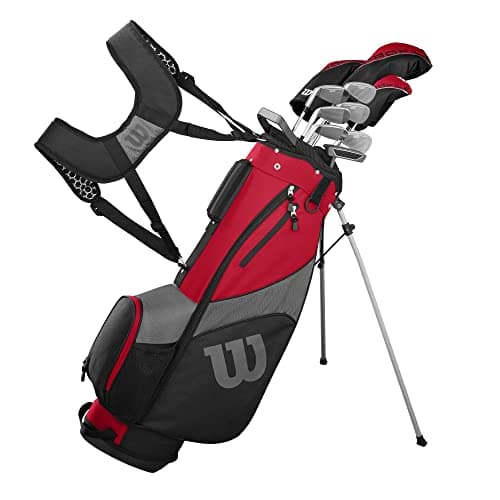
If you want one box and no decisions, the Wilson Profile SGI complete set is the answer under $500 — a full bag with a brand name on it, a driver, fairway woods, hybrids, irons, a wedge, a putter and a bag, at a price most single flagship drivers beat. If you are willing to buy five things instead of one, the build below gives you a better driver, a better fairway wood and a far better wedge and putter for the same total — and it is the option we would take ourselves.
The two honest ways to spend $500 on golf clubs
There is a reason this page has a set at the top and five individual clubs under it. Under $500 you face a genuine fork, and almost everybody is only shown one side of it.
Route one: the boxed set. You get fourteen slots filled, a bag thrown in, and zero research. The compromise is that everything in the box is built to one price, so the putter and the wedge — the two clubs you use most often inside 100 yards — are the cheapest things in it. For a true beginner that is still the right call, and best golf sets for beginners ranks the field properly.
Route two: the build. Buy the five clubs that actually get used, skip the three you will not hit for two years, and spend the money where it does work. A driver, a fairway wood, an iron set, one wedge and a putter is a playable, legal, genuinely good bag. It is also how a value buyer gets a $900-feeling bag for $500, because you are no longer paying for a 3-iron you cannot launch.
The build, club by club
| Slot | Pick | Why this one |
|---|
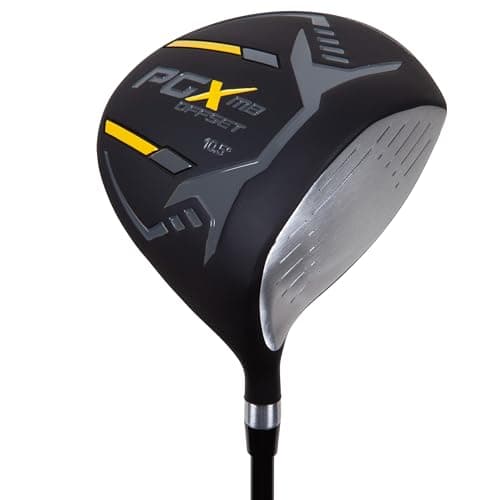
| Driver | Pinemeadow PGX MB Offset | The lowest price anywhere on genuine offset slice help |
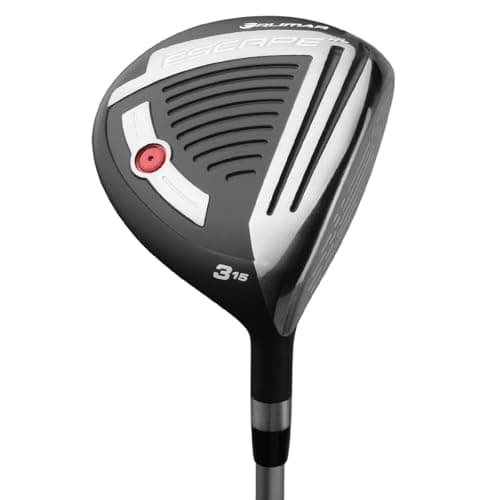
| Fairway wood | Orlimar Escape HL 5-wood (19°) | High-launch head, the easiest long club in the bag to hit |
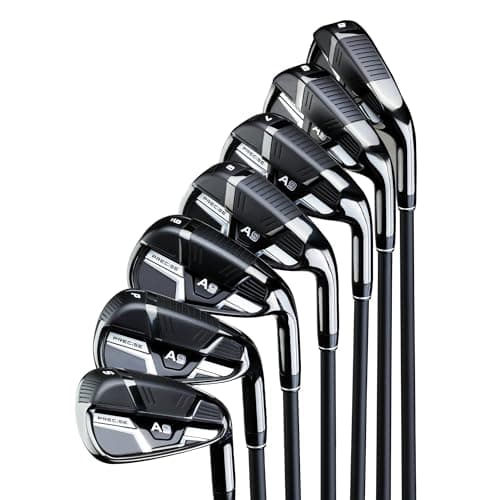
| Irons (5–SW) | Precise A9, senior A flex | A named shaft and seven heads at the lowest price in the category |
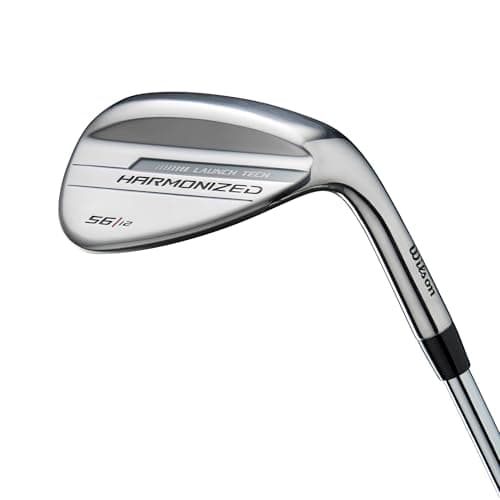
| Wedge | Wilson Harmonized | Real grooves and a proper sole grind for under $75 |
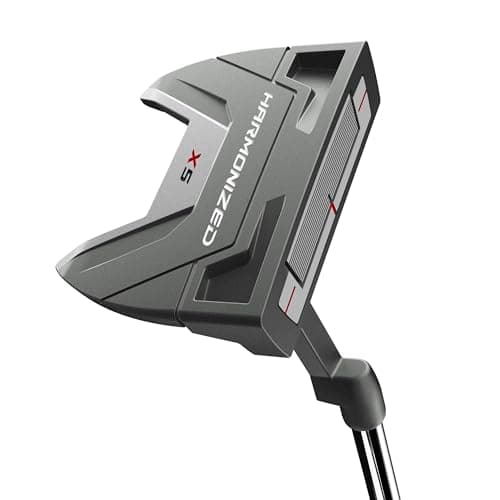
| Putter | Wilson Harmonized X5 | A mallet with an alignment aid from a brand you have heard of |
Add those five together at the live prices in the Quick Picks table above and you are inside $500 with room to spare — usually enough left for a dozen balls and a glove. Every price on this page is pulled from the live price feed with the "as of" date shown in the table; we do not type prices into the page, because a typed price is wrong by the following week.
Which slots to skip, and why
The clubs we deliberately left out of a $500 build are the 3-wood, the long irons and the second and third wedges. The reasoning is the same in each case: they are the hardest clubs in the bag to hit, and a beginner or high handicapper gets almost nothing out of them. Shot Scope's tracked amateur data is blunt about the long end of the bag — the gap between a 3-wood and a 5-wood for a mid handicapper is a handful of yards and a lot of mishits. What clubs a beginner needs goes through the full fourteen and says plainly which ones can wait.
A hybrid is the one honest addition if you have budget left: it replaces a long iron, it is far easier to launch, and best hybrids for the money has options around $100.
Why senior-flex irons in a general build
The Precise A9 set here is sold with a senior A-flex shaft, and that is a deliberate pick rather than an accident of price. A flex is the right fit for a driver swing speed in the low-to-mid 80s mph and below, which covers a large share of the people shopping a $500 budget — beginners, returning golfers and anybody over about 60. If you swing faster than that, read what shaft flex you need and move to a regular-flex set such as the best irons for the money list, which has regular-flex options that still leave change out of the same budget.
What $500 does not buy, honestly
- A fitting. Everything here is an off-the-rack length and lie. For most golfers at this budget that is fine; if you are unusually tall or short it is not, and how much a fitting helps is the page to read before you spend.
- Forged feel. Everything at this price is cast. Cast is more forgiving and lasts longer; it just does not feel like a blade. That is a trade in your favour.
- Resale value. Value clubs are worth very little used. If you expect to upgrade in two seasons, buying a quality used set is often the better financial move — see buying used golf clubs.
The alternative nobody mentions: used
A $500 budget on the used market buys a two- or three-season-old set from a major brand that cost $1,200 new. The technology did not stop working when the next model launched. The catch is that you need to know what you are looking at — shaft flex, groove wear, a genuinely matched set rather than a mixed bag — which is exactly what our used-buying guide covers. If that sounds like homework you do not want, buy new from this page and spend the saved afternoon on the range.
If you want that answer pinned to one specific number, the best golf clubs under $500 works the budget both ways: the one complete set worth buying at that price, and the five-club build that beats it for the same money.
A boxed set is not the only way to spend a starter budget. Best golf clubs under $500 puts the sets head to head against buying five clubs individually, which is the better bag if you are willing to make five decisions instead of one.
Before you buy, write down your real yardages. Our golf club distance chart shows what tracked amateur data says each club actually goes, and the gap it exposes at the top of the bag is the hole a hybrid is for.
It helps to know how far these clubs go before you decide which ones you need. The golf club distance chartgives tracked amateur yardages by handicap — including the honest numbers for a 25-handicap, which are shorter than almost every chart online.
Buy by loft, not by letter, and work out from your pitching wedge rather than down from a lob wedge. The wedge loft chart has the full pitching, gap, sand and lob ranges and the gapping rule that follows from them.
The side effect of all that strengthened loft lands on your short game. The wedge loft chart shows the hole a 43-degree pitching wedge opens up under it, and which wedge lofts fill it.
Flex is one of the two specs people get wrong off the rack; length is the other. Golf club length for your height covers what standard really means, why wrist-to-floor beats height, and the cheap adjustments to try before paying for custom.
If length is the specific thing you are unsure about, golf club length for your heightworks through the self-check and the cheap fixes — extensions, a cut-down, a lie bend — that get most of the benefit of a fitting for a fraction of the cost.