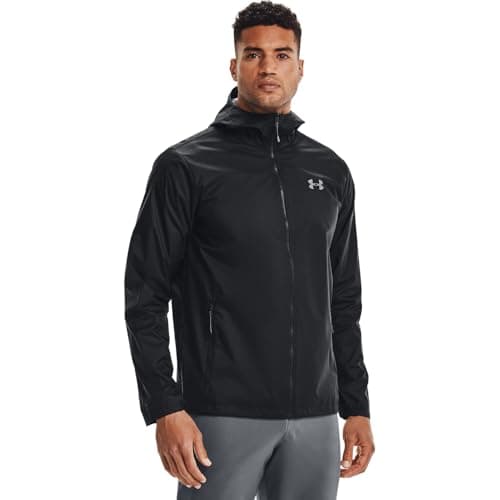
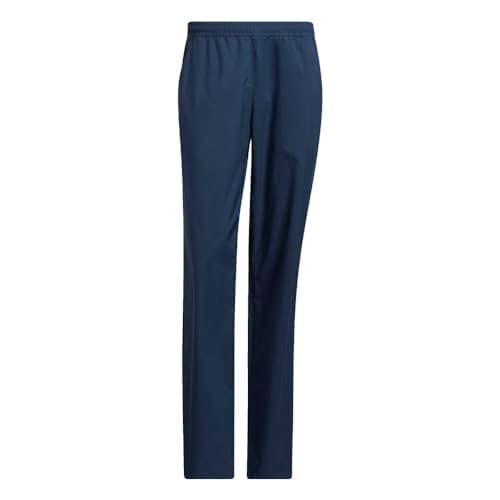
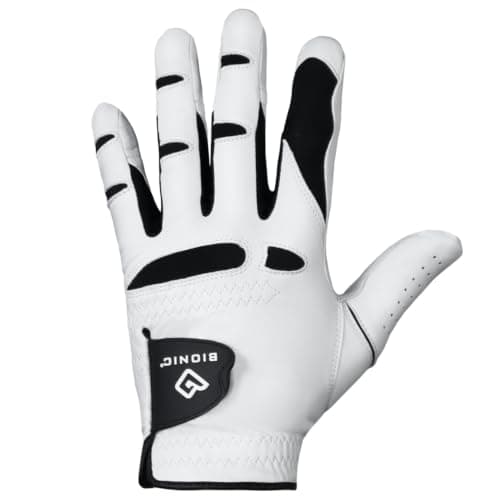
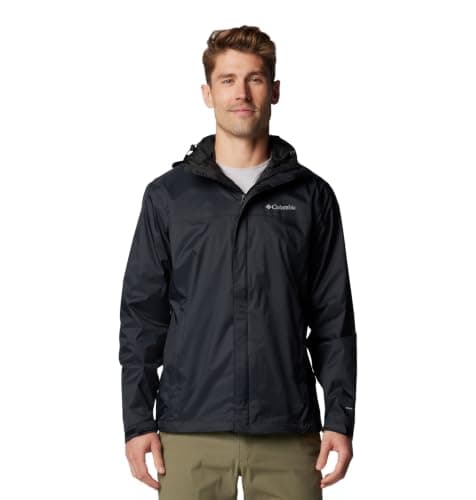
The one thing to buy first for cold golf is a waterproof, windproof shell, and the Columbia Watertight II is the best value one in golf-adjacent clothing — a full waterproof-breathable jacket for the price of a cheap pullover. Cold on a golf course is almost always wind chill plus damp rather than air temperature, and a shell fixes both. If you want a jacket cut specifically for a golf swing, the Under Armour Forefront is the upgrade; the adidas Provisional trousers handle the bottom half, and the Bionic StableGrip is the glove to wear when your hands stop working.
Why cold golf feels so much worse than cold anything else
Three things stack up. You stand still for most of four hours, so you never generate the heat that walking briskly would. You are often on an exposed, treeless site where wind chill runs well below the air temperature. And the one body part you cannot afford to lose — your hands — is also the first to go, because you are gripping a cold steel or graphite shaft with a thin leather glove on one hand and nothing on the other.
The second problem is that the obvious fix makes your golf worse. A thick fleece or a puffy jacket restricts your shoulder turn, and a restricted turn costs you more distance than the cold does. The whole trick of dressing for cold golf is getting warm without getting bulky.
What the cold actually costs you in yards
It is a real, measurable number, and it is bigger than most golfers assume. Kevin Caron, a fitter at Miles of Golf, ran the same TrackMan session a month apart: 64°F in November and 38°F in December. Driver ball speed fell from 158.1 mph to 156.2 mph, driver carry from 265.1 yards to 240.6 yards, and 7-iron carry from 169.6 yards to 156.8 yards. That is roughly 24 yards off the driver and 13 off the 7-iron for a 26°F drop.
Two mechanisms, not one. Cold air is denser, so there is more drag on the ball. And a cold ball and cold clubhead transfer energy less efficiently, which shows up as ball speed. The practical consequence is that you should club up in the cold and stop interpreting the lost distance as a swing fault. Our cold-weather golf ball guide deals with the ball half of the problem.
The layering order that works
| Layer | Job | What to avoid |
|---|
| Base | Move sweat off your skin | Cotton — it holds damp and chills you |
| Mid | Trap air; a thin fleece or quarter-zip | Anything that restricts your shoulder turn |
| Shell | Stop wind and water | Stiff fabric that crackles and binds at the top of the backswing |
| Hands | Keep grip pressure normal | Playing bare-handed "to feel the club" |
Two thin layers beat one thick one every time, because you can shed one at the turn when the sun arrives. The shell is the layer that earns its money: wind chill is the dominant variable on an exposed course, and a windproof shell removes it instantly.
The four picks, and why these
Columbia Watertight II. A genuinely waterproof, seam-sealed, breathable-membrane shell at the price of a logo pullover. It is not a golf jacket — it is an outdoor jacket that happens to be excellent for golf — and the cut is generous enough to layer under. This is the single highest-value item in cold-weather golf clothing.
Under Armour Forefront Rain Jacket.The upgrade if the Columbia's cut bothers your swing. It is designed around a golf motion, so the shoulders and sleeves move with the backswing rather than against it. Pay the difference only if you have actually felt a jacket bind.
adidas Provisional Rain Pants. Cold legs matter less than cold hands, but wet legs end rounds. These are rain trousers you can walk 18 holes in rather than plastic overtrousers you put on and immediately regret. Pull-on over your normal golf trousers at the first shower.
Bionic StableGrip. The glove for cold hands. Its pre-rotated, padded construction means you do not have to squeeze to hold on, and grip pressure is exactly what goes wrong when your hands are cold — you grip harder, your forearms tense, and your swing shortens. Keep a spare dry glove in a sealed bag in the bag; a wet glove in the cold is worse than no glove.
What we would not buy
- Golf-branded mittens and hand warmers. A pocket hand-warmer muff is genuinely useful in sub-freezing weather, but the $60 branded version does nothing the $15 one does not. Disposable chemical warmers in your pockets cost about a dollar a round.
- Thermal golf trousers. Lined golf trousers are a seasonal item at a full-price-trouser price. A base layer under the trousers you already own does the same job for a fraction, and comes off at the turn.
- A heavy puffy jacket. It will keep you warm standing on the tee and cost you a third of your shoulder turn. If it is cold enough to need one, you need a thin mid layer and a shell instead.
The cheap wins that are not clothing
Keep two golf balls in an inside pocket and rotate them every few holes — a warm ball genuinely rebounds better than a cold one, which is the whole reason the frozen-ball tests show the losses they do. Carry a towel you can actually dry your hands with; a wet hand is colder than a cold one. And take a push cart rather than carrying, because a loaded bag on your back soaks your base layer with sweat that then freezes you on the back nine — best push carts starts under $100.
If what you actually need is wet-weather rather than cold-weather kit, our best golf rain gear page ranks the same category by waterproofing instead of warmth, and best hot weather golf clothes is the opposite end of the same wardrobe.