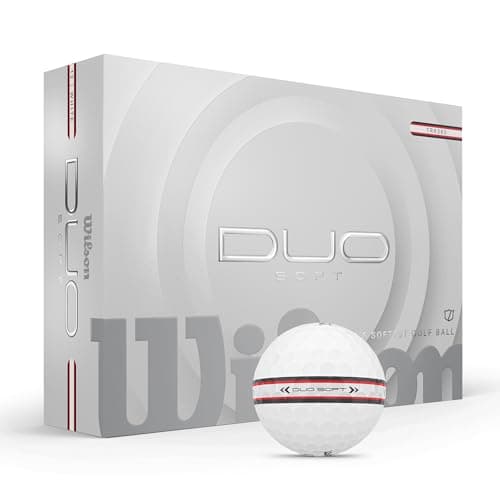
In the cold, play the softest ball you already like the feel of — the Wilson Duo Soft is the lowest-compression value ball on this site and the one we would put in the bag in February — but go in knowing that the ball is the smallest of the three things costing you distance, and that keeping the ball warm matters more than which ball it is.
What the cold actually costs: real measured numbers
Kevin Caron, a fitter at Miles of Golf, ran the same TrackMan session a month apart to isolate the temperature effect. On 9 November 2022 at 64°F and 9 December 2022 at 38°F, the same swings produced:
| Measurement | 64°F | 38°F | Change |
|---|
| Driver ball speed | 158.1 mph | 156.2 mph | −1.9 mph |
| Driver carry | 265.1 yd | 240.6 yd | −24.5 yd |
| 7-iron carry | 169.6 yd | 156.8 yd | −12.8 yd |
A useful rule of thumb that lines up with that session, and with GolfMagic's on-course hot-versus-cold test with a Bridgestone ball fitter, is roughly two yards of carry per 10°F — and more than that once you are down near freezing, because the losses are not linear.
Three mechanisms, and the ball is only one of them
1. Air density. Cold air is denser than warm air, so there is more drag on the ball through the whole flight. This is the biggest single contributor and no ball on earth fixes it.
2. Energy transfer at impact.A cold ball's core and cover are less resilient, so less of the clubhead's energy comes back out as ball speed. The Bridgestone fitter quoted by GolfMagic puts it directly: more resilient rubber means greater energy transfer to the core and more ball speed.
3. You. A cold golfer in three layers swings slower and shorter than a warm one in a polo. This is the mechanism golfers most consistently forget and the one that cold-weather clothing genuinely fixes.
Does a low-compression ball help in the cold?
This is the claim the internet repeats hardest, and it deserves a more careful answer than "yes".
The theory is sound: a cold ball is effectively firmer and harder to compress, so starting with a softer, lower-compression ball gets you back to compressing it properly. The evidence is weaker than the theory. MyGolfSpy's hot-versus-cold lab work found that cold barely changed measured compression at all — a couple of points after six hours in a freezer — while ball speed and distance dropped sharply. In other words the ball got slower without getting much firmer, which means the compression story is not where the loss is coming from.
Caron's own conclusion from his TrackMan sessions was not to switch: he would not recommend going to a low-compression ball unless you are happy sacrificing some performance for a better feel. That is the honest position, and it is ours.
Where a softer ball does win in winter is feel. A firm ball in near-freezing weather feels like hitting a stone, especially on chips and putts, and that discomfort does change how you swing. If a softer ball makes you commit to the shot, it is worth the handful of yards — which is why the picks below are sorted by softness and value, not by a claimed cold-weather technology that does not exist. Compression explained covers what the number on the box really means.
The four value balls we would play in winter
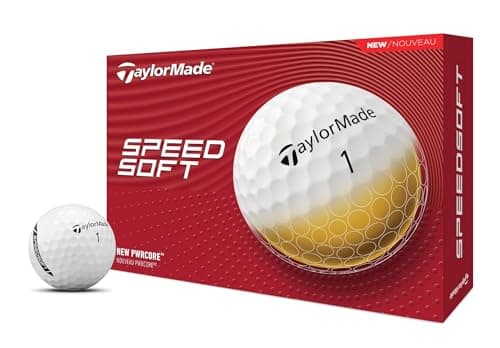
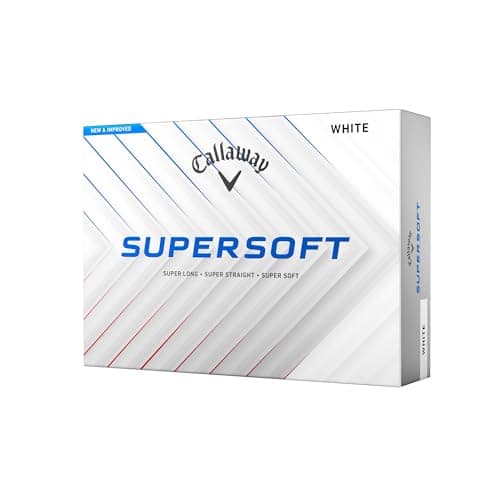
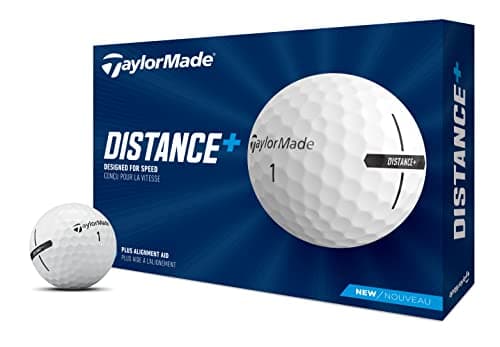
Wilson Duo Softis the softest ball this site ranks and the pick for the coldest rounds — it is the one ball where the "firm as a stone" problem genuinely goes away. TaylorMade SpeedSoft is the soft option with a major brand behind it. Callaway Supersoft is the soft-and-straight default that suits the slower, shorter winter swing. And TaylorMade Distance+ is the pick if you would rather fight the yardage loss head-on with the cheapest high-launch distance ball here — and if losing a few in the leaves hurts less at that price.
Note what is not on this list: a premium urethane tour ball. Winter is the single worst time to play one. Greenside spin is the thing you pay for, soft greens in winter mean the ball stops anyway, and cold urethane feels harsh. If you were ever going to play a value ball, play it in January — are expensive golf balls worth it makes the broader case.
The free fixes that beat changing your ball
- Rotate two balls from an inside pocket. Play one, keep one warm against your body, swap every few holes. This is legal under the Rules as long as you are not artificially heating the ball during play with a device — pocket warmth is not that. It is the single most effective thing on this page.
- Club up, twice.If 38°F costs a 7-iron nearly 13 yards, that is more than a club. Play the number the conditions give you, not the number on your yardage chart.
- Play a fresh ball, not a found one. A scuffed range ball in the cold is two problems at once. How long golf balls last covers what actually degrades.
- Expect less roll, not more. Soft, wet winter fairways give almost nothing back. The carry loss is the whole loss, and then some.
The one season where soft feel is worth more than the spec sheet suggests is winter. Best golf balls for cold weather goes through the measured distance loss, and why swapping to a low-compression ball is a smaller fix than the internet claims.
Compression also comes up constantly in one specific argument — whether a softer ball helps in the cold. Best golf balls for cold weather takes that apart with the lab and TrackMan data, and the answer is more interesting than yes.