Skip to content
Club&Carry

Hub 04 · Shoes & Apparel

How Long Do Golf Shoes Last?

Spikes are consumable, uppers are not. Knowing which part has failed is the difference between a $15 fix and an unnecessary $90 purchase.

By Stephen V.Updated How we pick
#ad

We earn a commission when you buy through our Amazon links, at no extra cost to you. It never affects our rankings, and we say so when the cheaper product is the better buy. How this works.

If your shoes take replaceable soft spikes, the spikes are the thing that wears out, and the makers are specific about it: Softspikes' own product manager, quoted by Bunkered, puts the general rule at every 15 to 20 rounds, or about twice a season for the average golfer. Replace the shoes themselves when the waterproofing has gone, the midsole has flattened, or the sole is separating from the upper — not because they look tired. Golf Digest makes the money point plainly: in normal conditions, with a quality upper, swapping the spikes is an affordable alternative to replacing the shoe.

What wears out, in order

  1. Spikes or sole lugs. First, always. On a spiked shoe you replace them; on a spikeless shoe the moulded lugs round off and you cannot, which is the hidden cost of spikeless.
  2. Waterproofing. Most value golf shoes carry a waterproof warranty measured in one or two years rather than a lifetime, and wet feet on the fourth hole is the most common reason a playable shoe gets retired.
  3. The midsole. Cushioning compresses with mileage. If a round now leaves your feet aching in a way it did not two seasons ago, the foam has gone flat even though the shoe looks fine.
  4. The upper and the sole bond. Last. Cracking across the flex point or a sole peeling at the toe is the end of the shoe, and there is no repair worth paying for on a value pair.

How often to change spikes

The published guidance clusters tightly at the maker end and loosens at the journalist end. Softspikes recommends every 15 to 20 rounds, and notes the number moves with conditions — dry hardpan turf and a lot of walking on cart paths chews through cleats much faster than soft parkland. GolfNewsNet's columnists argue that is conservative for an average golfer and suggest something nearer once a season. Both can be true: inspect every few rounds, and change them when the prongs are flattened or a cleat is missing rather than when the calendar says so.

What makes this worth doing is cost. A set of replacement cleats is a fraction of the price of new shoes and takes ten minutes with the wrench that came in the box. If you have lost the wrench, that is a cheap part too — cheaper than the shoes you were about to buy.

The four signs it is actually the shoe

  • Water gets in. Dew-soaked socks after nine holes means the membrane or the seams have failed. Nothing fixes that.
  • You slide on your back foot. With fresh spikes fitted. That is the sole unit, not the cleats.
  • The sole is separating. Any gap between sole and upper will grow, and glue repairs on a flexing shoe do not hold.
  • Your feet hurt in a new way. Flattened midsole foam is invisible and is the most under-diagnosed reason golfers stop enjoying walking 18.

MyGolfSpy has a longer version of this checklist — its point, and ours, is that the cosmetic condition of a golf shoe is nearly irrelevant to whether it is still doing its job.

How to get more seasons out of a pair

The habits that extend shoe life are the same ones most golfers skip: dry them at room temperature rather than on a radiator, never leave them in a hot car, use the shoe bag the bag already has a pocket for, and rotate two pairs if you play more than twice a week. Full detail is in how to care for golf shoes, which covers the drying and cleaning routine that actually matters.

Spikeless shoes need one extra note. Because the traction is moulded in, a spikeless shoe has a hard lifespan rather than a serviceable one, and the lugs wear fastest if you also wear them off the course. If you drive to the course in them and walk the car park in them every week, expect fewer seasons — spiked vs spikeless golf shoes works through that trade in full.

What to buy when it is time

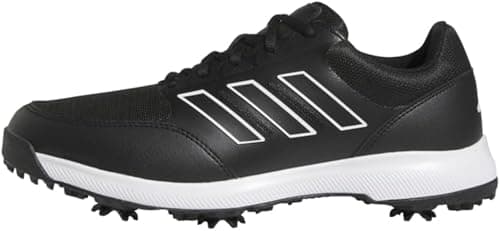
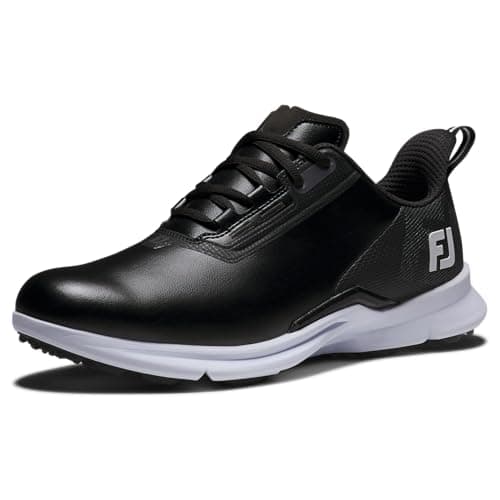
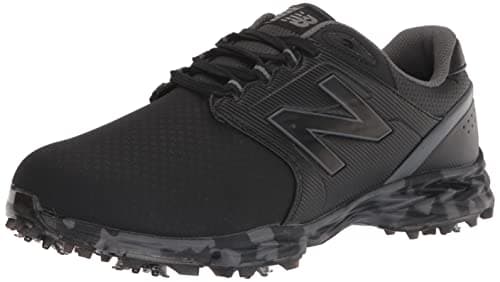
Buy a spiked shoe if you want the longest serviceable life, because the one part that wears out is the one part you can replace — the adidas Tech Response 3.0 is the traditional, stable, replaceable-cleat option here. Buy spikeless for comfort and off-course versatility, accepting the shorter lifespan: the FootJoy Fuel and the New Balance Striker v3 are the picks there. Our best value golf shoes page ranks the full field with live prices, and best waterproof golf shoes is the page to read if it was the waterproofing that failed.
The short answer

Quick picks

#ProductBest forScorePrice
01
adidas adidas Tech Response 3.0
adidas Tech Response 3.0

The classic value spiked shoe — a stable, traditional golf shoe from a major brand for little money.

A stable, traditional spiked shoe
7.8
$45.50Amazon
02
FootJoy FootJoy Fuel
FootJoy Fuel

The value entry from golf's biggest shoe brand — spikeless, athletic, and properly made.

FootJoy quality at a value price
7.6
$98.98Amazon
03
New Balance New Balance Striker v3
New Balance Striker v3

A comfort-first spikeless shoe from a brand that knows walking — an underrated value pick.

Walkers who want sneaker comfort
7.6
$89.90Amazon

#ad · Live prices from the Amazon Product API, as of October 16, 2026. Where we have no verified live price, we show none — we would rather leave a gap than print a number that has rotted.

In detail

The picks, in full

01
adidas adidas Tech Response 3.0

A stable, traditional spiked shoe

adidas Tech Response 3.0

Soft spikesTraditional golf-shoe fitadidas brandedGood stability
7.8/10

The classic value spiked shoe — a stable, traditional golf shoe from a major brand for little money.

Grip
9
Comfort
7
Waterproofing
7
Style
8
Value
8

Pros

  • A firm, stable, traditional golf-shoe platform — good for the swing
  • Replaceable soft spikes for maximum grip in all conditions
  • adidas quality and looks at a value price

Cons

  • Not as pillow-soft as the Skechers on a long walk
  • Waterproof warranty varies by exact model year

Don't buy this if…

…your priority is walking comfort above all. The Tech Response is a stable, firm shoe; if you want to feel like you're in slippers, the Skechers Torque wins.

$45.50View on Amazon

$70.0035% off

Price as of October 16, 2026. Prices change — Amazon's is the one that counts.

#ad · we may earn a commission from this link to adidas Tech Response 3.0

02
FootJoy FootJoy Fuel

FootJoy quality at a value price

FootJoy Fuel

SpikelessAthletic fitFootJoy buildVersatile traction
7.6/10

The value entry from golf's biggest shoe brand — spikeless, athletic, and properly made.

Grip
7
Comfort
8
Waterproofing
7
Style
8
Value
8

Pros

  • FootJoy's shoe-making pedigree at the bottom of their range
  • Spikeless versatility — grippy on-course, comfortable off it
  • Athletic, modern styling

Cons

  • Spikeless grip in heavy wet or hills trails a spiked shoe
  • Entry-level cushioning versus FootJoy's premium models

Don't buy this if…

…you play in constant wet or on steep, slick terrain. Spikeless soles give up grip there — a spiked adidas or Skechers is the safer footing.

$98.98View on Amazon

Price as of October 16, 2026. Prices change — Amazon's is the one that counts.

#ad · we may earn a commission from this link to FootJoy Fuel

03
New Balance New Balance Striker v3

Walkers who want sneaker comfort

New Balance Striker v3

SpikelessRunning-shoe cushioningComfort fitCasual look
7.6/10

A comfort-first spikeless shoe from a brand that knows walking — an underrated value pick.

Grip
7
Comfort
9
Waterproofing
6
Style
8
Value
8

Pros

  • New Balance's walking-comfort heritage shows in the cushioning
  • Spikeless and casual enough to wear all day
  • Often heavily discounted for the quality

Cons

  • Less golf-specific stability than a traditional shoe
  • Spikeless grip limits in the wet

Don't buy this if…

…you want maximum swing stability or play in the wet a lot. This is a comfort-led spikeless shoe — grip and lockdown are not its strengths.

$89.90View on Amazon

Price as of October 16, 2026. Prices change — Amazon's is the one that counts.

#ad · we may earn a commission from this link to New Balance Striker v3

How we picked

We do not run a testing lab

We compiled the published specifications, did the cost-per-round and value math, and read the independent robot and launch-monitor data — then scored each product against a published rubric. The scores are judgments from documented research — they are not measurements we took, because we do not have a lab and we are not going to pretend we do. Where a number came from someone else's lab, we name them and link them in Sources.

Questions

Frequently asked

How long do golf shoes last?
Two to four seasons for most golfers playing weekly, and longer for a spiked shoe whose cleats you replace. The shoe is finished when the waterproofing fails, the midsole flattens, or the sole starts separating.
How often should you replace golf spikes?
Softspikes' guidance, as reported by Bunkered, is every 15 to 20 rounds — about twice a season for an average golfer, and sooner on dry hardpan or if you walk a lot of cart paths. Inspect every few rounds and change them when the prongs flatten.
How long do spikeless golf shoes last?
Usually less than a spiked pair, because the traction is moulded in and cannot be replaced. Wearing them off the course shortens it further — the lugs round off on pavement much faster than on turf.
Is it worth replacing golf shoe spikes?
Almost always. Golf Digest notes that with a quality upper and normal conditions, swapping spikes is an affordable alternative to buying new shoes — a set of cleats costs a fraction of a new pair and takes ten minutes to fit.
How do I know when to buy new golf shoes?
Four signs: water gets in, you slide on your back foot with fresh spikes fitted, the sole is separating from the upper, or your feet ache in a new way because the midsole foam has gone flat. Looking scuffed is not one of them.

Keep reading

Receipts

Sources

We do not run a testing lab, and we do not pretend to. Where a measured number came from someone else's lab or robot, we name them and link them. Where we could not verify something, we say so on the page rather than quietly leaving it out. Read our full method.