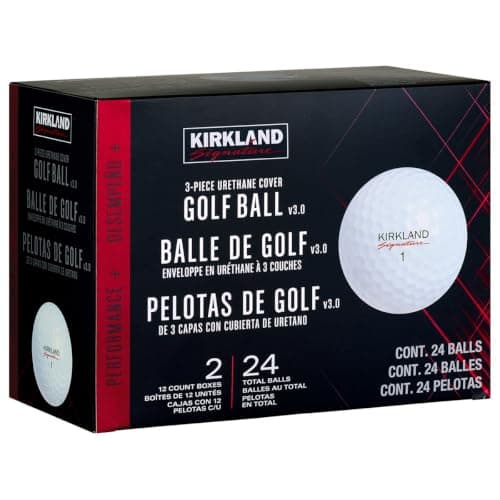
The Kirkland Signature Performance+ is the best Pro V1 alternative for most golfers: a urethane cover and tour-style three-piece construction, sold two dozen at a time, at a per-ball price no new tour ball approaches. If you want that construction from a major manufacturer with reliable stock, the Srixon Q-Star Tour is the pick. Our budget pick is the recycled AAA-grade Pro V1 twelve-pack — the literal ball, graded and sorted, for entry-ball money.
Searching for a Pro V1 alternative usually means one of two things: the price per dozen has finally registered, or you are not convinced you are using what you are paying for. Both are reasonable, and neither requires anyone to run the Pro V1 down. It is the best-selling ball in golf because it does a genuinely hard thing well. The question this page answers is narrower: which of the things it does well do you need, and what is the cheapest way to get just that?
What the Pro V1 is actually known for
Three things, all of them documented rather than folklore.
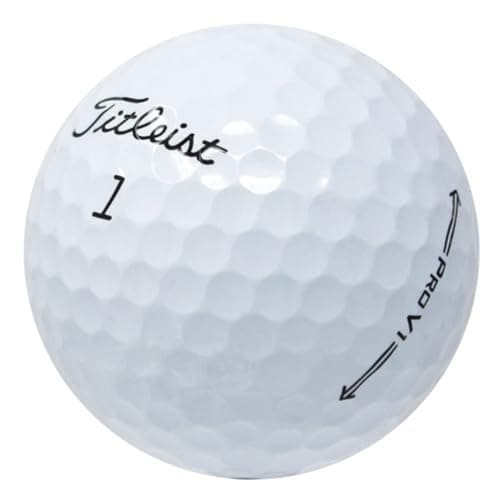
- A cast urethane cover over a three-piece build.Titleist publishes the construction — a reformulated core, a casing layer and a thin cast urethane elastomer cover, with a tetrahedral dimple pattern on the current ball — as detailed in TGW's specification write-up. The cover is the expensive part, and it is the part that produces greenside spin.
- Spin separation without a distance penalty. Low long-game spin and high short-game spin in the same ball is the design problem premium balls exist to solve, and it is why a multi-layer build costs what it costs.
- Unit-to-unit consistency.The least-discussed and most real of the three. MyGolfSpy's Ball Lab compression and consistency data, as summarized by BallCaddie, is where the Pro V1 separates itself from cheaper urethane balls: the ball you tee up is very reliably the same as the last one.
Notice what is not on that list: distance. A Pro V1 is not long for its price. If distance is what you are shopping for, you were never in this category — our best golf balls for distance page is the right page, and everything on it costs less.
Four routes out, and who each one is for
Route one: the same cover, a different brand.The Kirkland Performance+ is a three-piece urethane ball sold in a two-dozen box. On MyGolfSpy's 2026 test the yellow version ranked third of 48 balls for driver spin at the top speed tested and top ten in every full-swing condition — so the full-swing half of the Pro V1 story is genuinely available at this price. Two honest caveats, both published: the white and the yellow come from different plants and test differently, and the greenside spin that made the Kirkland famous is no longer a standout — the 2026 35-yard wedge test put it at good-ionomer level. Our Kirkland vs Pro V1 page is the head-to-head.
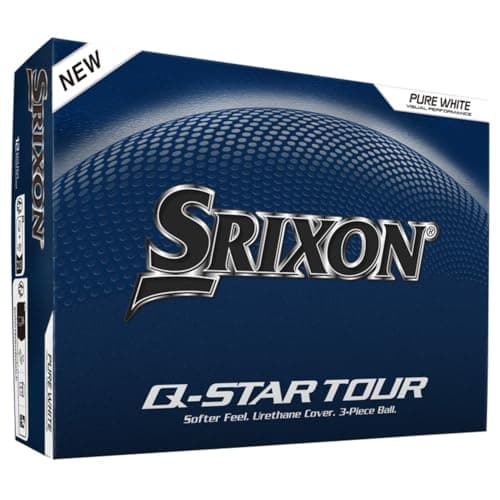
Route two: a major maker's value tour ball. The Q-Star Tour gives you a urethane cover, three-piece construction and mid compression from Srixon, in stock everywhere, every week. You pay more than the Costco ball and less than a premium ball, and you never have to wonder whether this dozen came from the same factory as the last one.
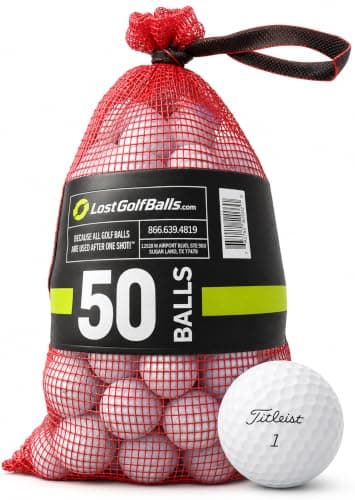
Route three: buy the actual ball, used.This is the route almost nobody considers and it is the best value on the page for a certain player. Recycled Pro V1s are graded and sorted: near-mint fifty-packs for golfers who want tour balls by the bucket, and AAA twelve-packs at a price that competes with new entry balls. The ball is a Pro V1. What you give up is cosmetic condition and the certainty of knowing its history — a ball that sat in a pond for a season is not identical to a new one. Our refurbished balls page sets out what grading does and does not promise.
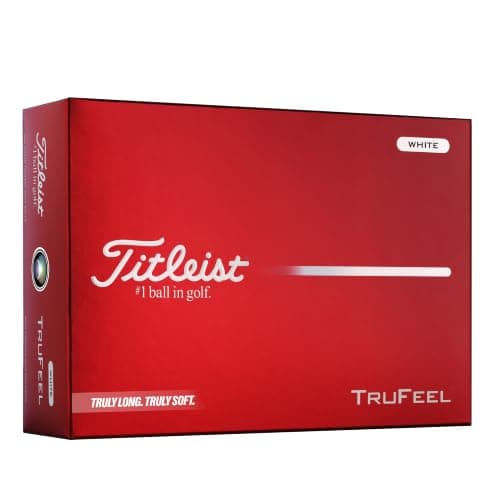
Route four: keep the brand, drop the tier.If what you actually like is playing a Titleist, the TruFeel is the softest and cheapest ball Titleist makes. It is an ionomer two-piece, so it will not spin like a Pro V1 — but it carries the same quality control and the same script on the side, for a fraction of the price. That is a perfectly good reason to buy something, and this page is not going to pretend otherwise.
How these five compare on the thing you are replacing
| Pick | Cover | Construction | Sold as |
|---|
| Titleist Pro V1 (the original) | Cast urethane | 3-piece | Dozen |
| Kirkland Signature Performance+ | Urethane | 3-piece | 2 dozen |
| Srixon Q-Star Tour | Urethane | 3-piece | Dozen |
| Recycled Pro V1, near mint | Cast urethane | 3-piece | 50-pack |
| Recycled Pro V1, AAA | Cast urethane | 3-piece | 12-pack |
| Titleist TruFeel | Ionomer | 2-piece | Dozen |
Live prices for every pick, with a per-row buy link and the date each price was checked, are in the Quick Picks table above. We do not print prices in prose, because a number typed into a sentence is stale the week after it is written.
The honest version of this decision
If you play two or three times a month, lose two balls a round and have never once thought “I needed more spin there,” any of the first three picks above will do everything a Pro V1 was doing for you, and the recycled route will do it for the least money. If you play firm, fast greens, hit a lot of greens from inside 150 yards and genuinely use a one-hop-and-stop wedge, the consistency argument is real and the Pro V1 keeps earning its price — our Pro V1 review makes that case properly. What does not hold up is buying it because it is what the good players play.