Skip to content
Club&Carry

The flagship · Golf Balls

The Best Golf Balls for Mid Handicappers

You make clean contact most of the time and your misses go sideways. That combination points at a specific kind of ball, and it is not the cheapest one.

By Stephen V.Updated How we pick
#ad

We earn a commission when you buy through our Amazon links, at no extra cost to you. It never affects our rankings, and we say so when the cheaper product is the better buy. How this works.

The Bridgestone e12 Contact is the pick for most mid handicappers — a three-piece ball built to fly straighter without giving up the carry you have earned, at a price that is nowhere near tour money. If you can already check a wedge on a firm green, the Srixon Q-Star Tour is the upgrade worth paying for: a real urethane cover for well under the premium balls. Our budget pick is the Bridgestone e6 Soft, the cheapest ball on this page and the one that fights a slice hardest.

A mid handicap is the most badly served player in golf retail. Everything is either aimed at a beginner who tops the ball or at a single-figure player who shapes shots on command. You are neither. You find the middle of the face most of the time, you have a repeatable swing you can describe, and your bad shots are not failures of contact — they are failures of direction.

What a mid handicap actually is, for ball-buying purposes

Call it a 10 to 18 index. The practical definition that matters here is three things at once: you reach most par fours in two or close to it, you hit greens from inside 150 yards often enough to be annoyed when you miss, and the shot that wrecks your card is a block or a pull, not a duff. That profile changes what the ball should be doing.

The high-handicap answer — the softest, lowest-spin ball on the rack — is a slight downgrade for you, because you are now good enough to want the ball to stop. The low-handicap answer — a full tour ball — is sold on a greenside spin window you only reach on your best swings. The right answer is the ball that holds a green from a full iron without handing your driver extra sidespin, and that is a real, narrow category.

The one test that decides whether you need urethane

This is the question every mid handicapper asks and almost nobody answers honestly. Take a sand wedge to a firm practice green and hit ten full shots from about 60 yards. If the ball takes one hop and checks, you are generating enough spin for a urethane cover to pay for itself, and the Q-Star Tour is the cheapest way to get one from a major manufacturer. If the ball lands and runs out every time, your spin is coming from the strike rather than the cover, and the urethane premium is money you can put somewhere else.

Two pieces of published data back that up rather than contradict it. MyGolfSpy's 2026 ball test, as compiled by BallCaddie, found the white Kirkland Performance+ spinning at ionomer level on a 35-yard wedge shot even though it has a urethane cover — cover material is not a spin guarantee. On full swings the same test had urethane balls clearly ahead. In other words: urethane buys you full-swing spin reliably, and greenside spin conditionally. For a mid handicapper, the full-swing half is the half that holds greens.

How we picked these

We do not run a lab. What we did was take the jobs above, read what each manufacturer publishes about construction, cover and compression, and weigh the independent robot data where it exists. Our methodology page states the rule plainly: scores here are judgments from documented research, never measurements we took.

  1. Straight flight off the tee. Lower driver sidespin is worth more to a 14 handicap than two yards of carry, because the two-way miss is what costs you shots. The e12 Contact and the e6 Soft are both explicitly designed around this.
  2. Enough spin to hold a green. A three-piece construction with a firmer mantle gives you full-swing spin an ionomer two-piece cannot. This is where the field splits.
  3. Compression you can load. A mid handicapper usually swings the driver in the 85-100 mph band, which is squarely mid compression. Very low compression balls are built for slower speeds and go soft under a harder strike.
  4. Price per dozen, not per ball. You still lose balls. A ball you flinch about hitting over water is the wrong ball, whatever the spec sheet says.

The three answers, at three prices

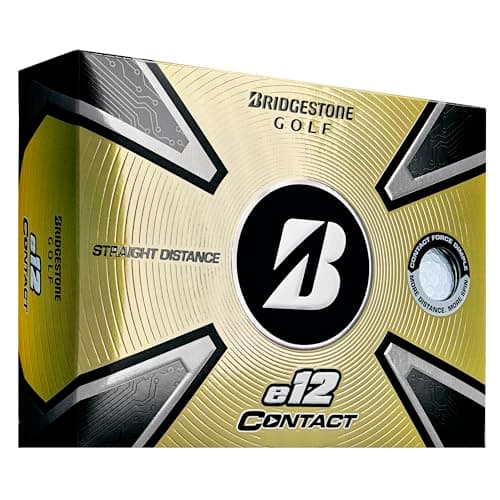
Stay in the value tier and buy the straighter ball. The e12 Contact is a three-piece with a dimple pattern Bridgestone built specifically for contact and straighter flight, and a feel softer than its distance-ball billing suggests. It is the single most sensible purchase on this page for a player who has not yet proven they can spin a wedge.

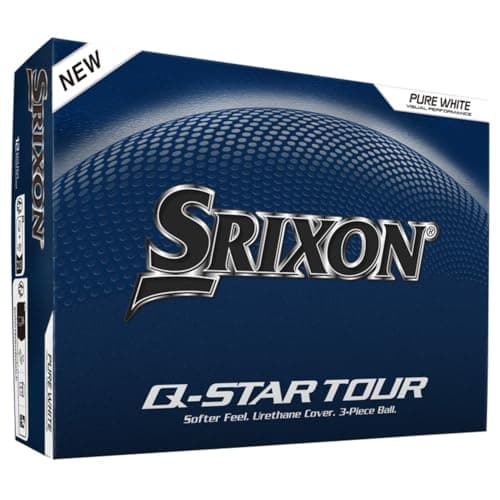
Step up to a urethane cover.The Q-Star Tour is the value hunter's tour ball. You give up some durability — urethane scuffs faster than Surlyn, which matters if you play cart paths and tree lines — and you pay more per dozen. In exchange you get spin a value ball cannot produce. Our are expensive golf balls worth it page runs the full version of that argument.

Buy the ball that fixes your miss. If your card is ruined by a slice rather than by three-putts, the e6 Soft is built to reduce sidespin, and that is worth more to your score than any amount of greenside spin you are not using. Our best golf balls for a slice page goes deeper on that trade.

Published specs, side by side

These are the figures the manufacturers state. Nothing here was measured by us, and where a maker publishes no compression number we say so rather than printing someone else's estimate. Live prices and a per-row buy link are in the Quick Picks table above, stamped with the date they were checked.

BallPiecesCoverPublished compression
Bridgestone e12 Contact3SurlynMid (no number published)
Srixon Q-Star Tour3UrethaneMid (no number published)
TaylorMade SpeedSoft2Ionomer35
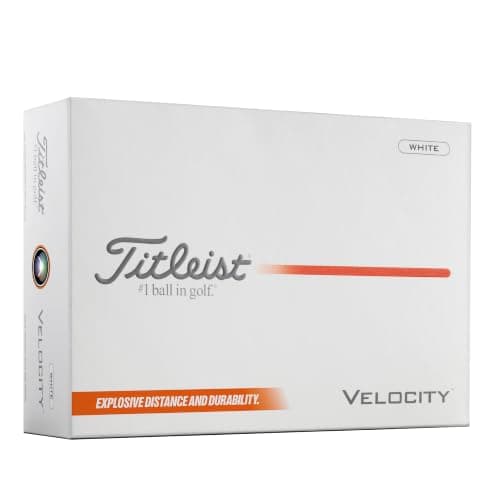
Titleist Velocity2IonomerFirm (no number published)
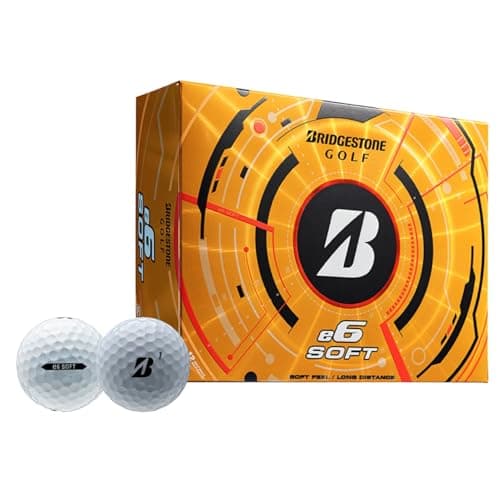
Bridgestone e6 Soft2/3SurlynLow (no number published)

One more thing worth saying out loud: the gap between the best ball on this page and the worst for a mid handicapper is a handful of yards and one green held per round. The gap between playing the same ball every round and playing whatever you found in the trees is bigger. Pick one, buy a dozen, and stop shopping. Our how to choose a golf ball guide covers the reasoning end to end.

Once your index drops under about 18 the calculus changes — you start wanting the ball to stop, not just to fly straight. Our best golf balls for mid handicappers page is the next rung up, and it explains the wedge test that tells you when to move.

If you have a handicap in the teens and you are weighing a value ball against a urethane one, our best golf balls for mid handicappers page runs that specific decision, and our Pro V1 alternatives page covers every cheaper route to tour-ball construction.

Two shortcuts if you already know roughly where you sit: our best golf balls for mid handicappers page handles the 10-18 band directly, and our Titleist Pro V1 alternatives page is the one to read if the only reason you are here is the price of a premium ball.

This matchup is only two of the options. If you are really asking what to play instead of a Pro V1, our Pro V1 alternatives page lays out all five routes, including buying the actual ball recycled.

Decided it is more ball than you need? Our Titleist Pro V1 alternatives page ranks the cheaper routes to the same construction, and our best balls for mid handicappers page is where most golfers reading this review should actually be shopping.
The short answer

Quick picks

#ProductBest forScorePrice
01
Bridgestone Bridgestone e12 Contact
Bridgestone e12 Contact

A distance ball with a dimple trick aimed at straighter flight — a smart mid-value pick.

Straighter distance for a mid handicap
7.2
$29.97Amazon
02
Srixon Srixon Q-Star Tour
Srixon Q-Star Tour

The value hunter's tour ball: a real urethane cover and tour-style spin for well under the Pro V1.

Tour-ball spin without tour-ball price
8.0
$39.99Amazon
03
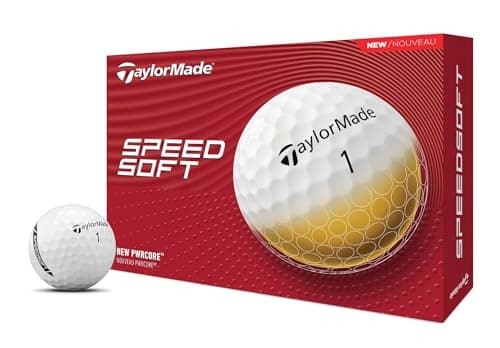
TaylorMade TaylorMade SpeedSoft
TaylorMade SpeedSoft

TaylorMade's softest value ball — a 35-compression two-piece built for a moderate swing to actually compress.

The softest feel with brand backing
7.2
$24.88Amazon
04
Titleist Titleist Velocity
Titleist Velocity

Titleist's distance ball — a firmer, faster value pick for players chasing carry.

Distance seekers who want the Titleist name
7.0
$29.97Amazon
05
Bridgestone Bridgestone e6 Soft
Bridgestone e6 Soft

A soft, straight, forgiving ball built to reduce sidespin — a quiet help for a slice.

Straightening out a slice, softly
7.2
$23.97Amazon

#ad · Live prices from the Amazon Product API, as of November 12, 2026. Where we have no verified live price, we show none — we would rather leave a gap than print a number that has rotted.

In detail

The picks, in full

01
Bridgestone Bridgestone e12 Contact

Straighter distance for a mid handicap

Bridgestone e12 Contact

Contact Force dimpleSurlyn cover3-pieceMid compression
7.2/10

A distance ball with a dimple trick aimed at straighter flight — a smart mid-value pick.

Feel
7
Distance
8
Greenside spin
6
Durability
8
Value
7

Pros

  • The 'Contact Force' dimple design targets better contact and a straighter flight
  • Good blend of distance and a softer-than-expected feel for a distance ball
  • Bridgestone's fitting pedigree trickles down to their value line

Cons

  • Priced a little above the cheapest value balls
  • Greenside spin is mid-pack — fine, not a strength

Don't buy this if…

…you want the absolute lowest price per dozen. The e12 is a strong mid-value ball, but a Warbird or Pinnacle costs less if raw value is the only metric.

$29.97View on Amazon

Price as of November 12, 2026. Prices change — Amazon's is the one that counts.

#ad · we may earn a commission from this link to Bridgestone e12 Contact

02
Srixon Srixon Q-Star Tour

Tour-ball spin without tour-ball price

Srixon Q-Star Tour

Urethane cover3-pieceTour-level spinMid compression
8.0/10

The value hunter's tour ball: a real urethane cover and tour-style spin for well under the Pro V1.

Feel
9
Distance
8
Greenside spin
9
Durability
6
Value
8

Pros

  • A genuine urethane cover, so greenside spin is a clear step up from the ionomer value balls
  • Meaningfully cheaper than the premium tour balls it competes with
  • Mid compression suits a wide range of swing speeds

Cons

  • Costs more than the pure value balls — this is the 'spend where it matters' upgrade
  • Urethane covers scuff faster than the tougher ionomer balls

Don't buy this if…

…you can't yet spin a wedge or don't play firm, fast greens. The urethane premium is wasted if your game can't use the spin — a soft ionomer ball is the smarter money.

$39.99View on Amazon

Price as of November 12, 2026. Prices change — Amazon's is the one that counts.

#ad · we may earn a commission from this link to Srixon Q-Star Tour

03
TaylorMade TaylorMade SpeedSoft

The softest feel with brand backing

TaylorMade SpeedSoft

35 compressionIonomer cover2-piece322 dimples
7.2/10

TaylorMade's softest value ball — a 35-compression two-piece built for a moderate swing to actually compress.

Feel
9
Distance
7
Greenside spin
5
Durability
7
Value
8

Pros

  • TaylorMade rates it at 35 compression — the softest number they publish, and low enough that a moderate swing loads it properly
  • Very soft off the putter face and on iron shots without giving up much off the tee
  • The PWRCORE construction keeps ball speed up despite the low compression

Cons

  • A two-piece ionomer ball, so greenside spin is limited by design
  • The low-spin, straighter flight that helps a slice also flattens any shot you try to shape

Don't buy this if…

…you swing fast. A 35-compression ball is built for moderate speeds; a firmer ball holds its shape better under a hard strike and gives you more control.

$24.88View on Amazon

Price as of November 12, 2026. Prices change — Amazon's is the one that counts.

#ad · we may earn a commission from this link to TaylorMade SpeedSoft

04
Titleist Titleist Velocity

Distance seekers who want the Titleist name

Titleist Velocity

High speedIonomer cover2-pieceFirm feel
7.0/10

Titleist's distance ball — a firmer, faster value pick for players chasing carry.

Feel
6
Distance
9
Greenside spin
5
Durability
8
Value
7

Pros

  • Built for speed and carry — one of the longer value balls off the tee
  • High, penetrating ball flight that holds up in wind
  • Titleist consistency and a proper premium finish

Cons

  • Firm feel isn't for everyone, especially around the greens
  • Low greenside spin — distance is the priority, not stopping power

Don't buy this if…

…you value soft feel and putting touch. The Velocity is fast and firm by design; a TruFeel or Supersoft is the softer, more forgiving choice.

$29.97View on Amazon

Price as of November 12, 2026. Prices change — Amazon's is the one that counts.

#ad · we may earn a commission from this link to Titleist Velocity

05
Bridgestone Bridgestone e6 Soft

Straightening out a slice, softly

Bridgestone e6 Soft

Low compressionSurlyn cover2/3-pieceAnti-sidespin
7.2/10

A soft, straight, forgiving ball built to reduce sidespin — a quiet help for a slice.

Feel
8
Distance
7
Greenside spin
5
Durability
8
Value
8

Pros

  • Designed to reduce sidespin off the driver, which helps a slice or hook fly straighter
  • Soft feel that a lot of players prefer through the bag
  • Bridgestone build quality at a value price

Cons

  • Low spin means little help stopping the ball on the green
  • Middle-of-the-road distance

Don't buy this if…

…you already flight the ball straight and want spin and workability. The e6's anti-sidespin design is wasted on you — a Q-Star Tour rewards a better ball-striker.

$23.97View on Amazon

Price as of November 12, 2026. Prices change — Amazon's is the one that counts.

#ad · we may earn a commission from this link to Bridgestone e6 Soft

How we picked

We do not run a testing lab

We compiled the published specifications, did the cost-per-round and value math, and read the independent robot and launch-monitor data — then scored each product against a published rubric. The scores are judgments from documented research — they are not measurements we took, because we do not have a lab and we are not going to pretend we do. Where a number came from someone else's lab, we name them and link them in Sources.

Questions

Frequently asked

What golf ball should a 15 handicap use?
A three-piece ball with a firmer mantle and a straighter flight — the Bridgestone e12 Contact is the pick here. At a 15 index you make clean contact often enough to want the ball to stop on a green, but your scoring damage comes from sideways misses, so lower driver sidespin is worth more than the last few yards of carry. Move up to a urethane ball like the Srixon Q-Star Tour only once you can check a full wedge on a firm green.
Do mid handicappers need a urethane golf ball?
Not automatically. Urethane reliably buys full-swing spin, which helps you hold greens from a full iron, and conditionally buys greenside spin, which depends on your strike as much as the cover. MyGolfSpy's 2026 testing found one urethane ball spinning at ionomer level on a 35-yard wedge shot, so the cover alone is not a guarantee. Run the ten-wedge test above before you pay the premium.
Is a Pro V1 too much ball for a mid handicapper?
It is not too much ball — nothing about it will hurt your scores. It is simply more ball than most 10-18 handicaps will convert into shots saved, at several times the price per dozen of the picks here. If you want the construction without the cost, the Q-Star Tour gets you a urethane cover for far less, and our Pro V1 alternatives page lays out every route.
What compression golf ball is best for a mid handicapper?
Mid compression, for most players in this band. A typical 10-18 handicap swings a driver somewhere around 85-100 mph, which is enough speed to load a mid-compression ball properly. Very low compression balls — the TaylorMade SpeedSoft is rated at 35 — are built for slower swings and can feel mushy and lose shape under a harder strike. Our compression guide has the full picture.
Should a mid handicapper play a soft or a firm golf ball?
Feel is a preference, not a performance spec, so start with what you like hearing off the putter and work back. The one real performance link is speed: if you swing hard, a firmer ball holds its shape better and gives you more control; if you swing moderately, a softer ball compresses properly and goes further. Nothing about soft or firm changes how a mid handicapper should think about spin.
How many golf balls should I buy at once?
A dozen of one model, then stop shopping until they are gone. Switching models round to round is the single most common way mid handicappers make their own distance control worse, because the ball is one of the few variables in your bag you can actually hold constant. Buy in bulk only once you have settled — our best golf balls to buy in bulk page covers that.

Keep reading

Receipts

Sources

We do not run a testing lab, and we do not pretend to. Where a measured number came from someone else's lab or robot, we name them and link them. Where we could not verify something, we say so on the page rather than quietly leaving it out. Read our full method.