Skip to content
Club&Carry

The flagship · Golf Balls

The Best Urethane Golf Balls

Urethane is the only cover material that changes what a wedge can do. Here is every route into one, cheapest first.

By Stephen V.Updated How we pick
#ad

We earn a commission when you buy through our Amazon links, at no extra cost to you. It never affects our rankings, and we say so when the cheaper product is the better buy. How this works.

The Kirkland Signature Performance+ is the best urethane buy for most golfers: a urethane-covered three-piece ball sold two dozen at a time, which puts the per-ball cost below plenty of two-piece ionomer balls. Our budget pick is the recycled LostGolfBalls Pro V1 in AAA grade — a genuine cast-urethane tour ball for less than a fresh dozen of almost anything, as long as you can live with cosmetic wear. The Srixon Q-Star Tour is the pick if you want a fresh, in-warranty tour ball at mid compression, and the Pro V1 is here because it is the benchmark everything else is measured against. Prices in the Quick Picks table are live from the price layer with their own “as of” date.

Why the cover is the only construction spec worth shopping on

Golf ball marketing is a wall of core names, mantle counts and dimple patterns. Almost none of it changes a shot you can feel. The cover does, and it does so in exactly one place: the short game.

A urethanecover is soft and comparatively grippy, so when a lofted, grooved face arrives at a steep angle and low speed — a pitch, a chip, a half wedge — the cover deforms into the grooves and the ball comes off spinning. An ionomer or Surlyn cover is harder and more slippery. It survives a cart path better and it costs the maker far less, but on that same wedge shot it skids up the face instead of gripping, and the ball lands with less spin and runs out.

On full shots the difference is much smaller than the price gap suggests, which is the whole argument of this site. At driver speed the cover is barely involved; core and compression do that work. So the question “should I play urethane” is really “do I hit enough partial wedge shots that land on a green for the extra spin to pay me back?” If you do, this page is for you. If every approach is a full iron that you are happy to land short and run on, save the money and read best golf balls for the money instead.

How we ranked this field

  1. Cost per ball, not cost per box. Urethane is sold in 12-packs, 24-packs and 50-packs, and a 24-pack at a higher sticker price can be cheaper per ball than a dozen. We rank on what one playable ball costs you.
  2. Is the cover actually urethane?Every pick here has a urethane cover stated on its specification. We did not include a single “tour” or “premium” ball whose cover is ionomer, however good it otherwise is.
  3. Fresh or recycled, said out loud. Two of the five are graded used balls. That is a legitimate way to play a urethane cover for entry-ball money and we rank it as such, with the condition grade printed rather than buried.
  4. Independent data where it exists. Where a robot test has measured one of these balls, we cite the test by name and let it move the ranking. We do not run a lab and we do not pretend to.
  5. No compression numbers we cannot source. Compression is the spec most often quoted and least often published by the maker. Where it is not published, this page does not print one.

The honest complication: urethane is not automatically more spin

This is where most urethane roundups quietly stop being useful. Cover material is a necessary condition for high greenside spin, not a sufficient one — and the cheapest urethane ball on the market is the proof.

MyGolfSpy's 2026 ball test entered the white and the yellow Kirkland Performance+ as two separate balls, because they are made in different plants, and the two did not behave the same: the yellow ranked third of 48 balls for driver spin at the top speed tested and in the top ten in every full-swing condition, while the white ranked 13th to 17th of 48 for full-swing spin in five of six conditions. On the same test's 35-yard wedge shot, the white Kirkland spun at the level of a good ionomer ball, with the yellow about the same.

Read that carefully, because it cuts both ways. It means the Kirkland is not a Pro V1 on a chip — and we rank it first anyway, because at its per-ball price it does not need to be. It also means a ball can carry a urethane cover and still not out-spin a cheap two-piece ball around the green, so “urethane” on a box is a starting point rather than a guarantee. If greenside spin is the only thing you care about, the two routes on this page that reliably deliver it are the fresh Q-Star Tour and the recycled Pro V1.

Recycled urethane: the value-site answer

A urethane cover does not expire on a shelf and it does not care how many times the ball has been hit, within reason — what degrades is the cover surface, and that degrades from scuffs, cart paths and mower blades rather than from age. That is why a graded used tour ball is such an efficient purchase, and why two of our five picks are recycled.

The grades matter and they are not marketing. A near-mint ball is one you would not notice in your hand; buying 50 of them at once gets the per-ball price down to the level of a mid-tier new ball while giving you the real cast-urethane cover. An AAAball is visibly played — scuffs, a logo, maybe a pen line — and is the cheapest route to a urethane cover that exists. The trade is cosmetic confidence, plus the fact that you are buying a model year that the seller states rather than one you choose.

We go through the wear question in detail, including what a scuff actually does to spin, on are refurbished golf balls worth it — which also covers the distinction between recycled (cleaned and graded) and refurbished (stripped and repainted), and why we only rank the first kind.

Published cover and construction specs, side by side

PickCoverPiecesSold asCondition
Kirkland Signature Performance+ V3.0Urethane3-piece2 dozenNew
Srixon Q-Star TourUrethane3-pieceDozenNew
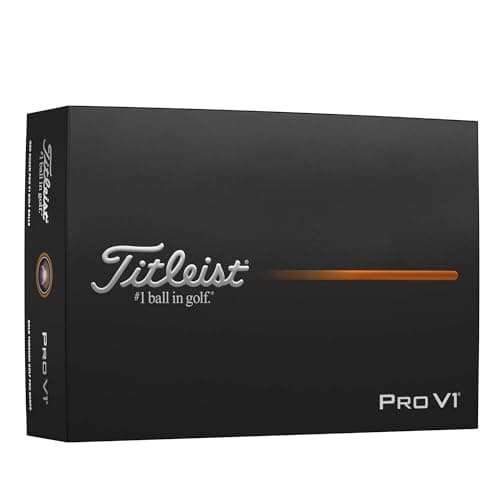
Titleist Pro V1Cast urethane3-pieceDozenNew
LostGolfBalls Pro V1, Near MintCast urethane3-piece50-packRecycled, near mint
LostGolfBalls Pro V1, AAACast urethane3-pieceDozenRecycled, AAA

Two honest gaps in that table. None of the five publishes a compression number on the box, so there is no compression column — the figures that circulate for these balls are third-party measurements, not manufacturer specifications. And a recycled ball's cover has an unknown history by definition, which is exactly what the grade is for.

What urethane does not buy you

It does not buy distance. On a full driver swing the cover is a minor contributor and a firm two-piece distance ball will match or beat a tour ball for carry at amateur speeds — that is the entire premise of our best golf balls for distance ranking.

It does not buy durability. Urethane is the softer material, so it scuffs sooner on a cart path or a rake, and a scuffed urethane ball is a ball you stop trusting. If you lose or wreck more than a couple of balls a round, a urethane cover is money leaving the bag; buy in bulk from our best golf balls in bulk page and come back to urethane when your dispersion improves.

And it does not buy forgiveness. A urethane cover will happily spin a slice sideways — more spin is more of whatever spin you already produce. Golfers fighting a slice are usually better off with a low-spin ionomer ball, which is what our best golf balls for slicers page is for.

What we would actually buy

The Kirkland Performance+ if you want a fresh urethane ball and the lowest realistic cost per ball, with the 2026 test data read honestly: a very strong full-swing ball, an ordinary wedge ball. The Srixon Q-Star Tour if greenside spin is the reason you came and you want it new, at a compression most amateurs can actually compress. The recycled Pro V1 in AAA if the budget is the constraint — it is the cheapest cast-urethane cover you can legally tee up, and the only thing wrong with it is that it looks used.

Buy the Pro V1 itself when the short game is genuinely where your scoring happens and you want the best-tested version of this cover with no caveats attached. For most golfers reading a value site, that is one or two sleeves for the rounds that matter, not a case. If you want the full list of cheaper balls that chase the same job, our Titleist Pro V1 alternatives page is the substitution-by-substitution version of this argument.
The short answer

Quick picks

#ProductBest forScorePrice
01
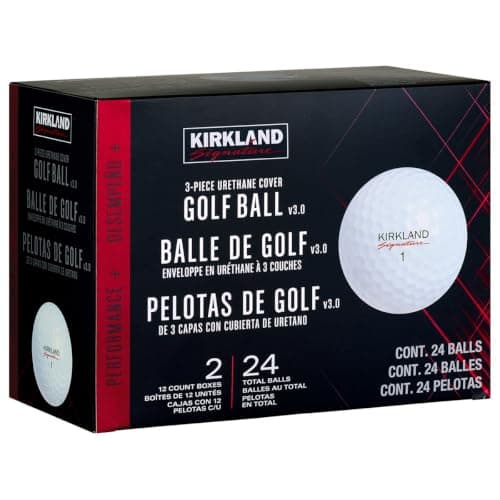
Kirkland Signature Kirkland Signature Performance+ (V3.0)
Kirkland Signature Performance+ (V3.0)

A urethane-covered tour-style ball at a price no tour ball comes close to. The value story of the whole category.

The best value in golf, full stop
7.8
$39.99Amazon
02
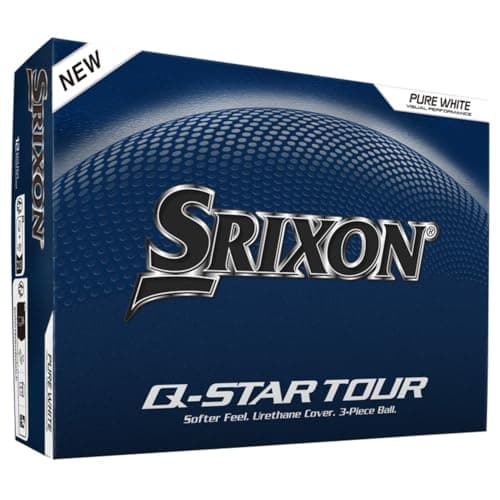
Srixon Srixon Q-Star Tour
Srixon Q-Star Tour

The value hunter's tour ball: a real urethane cover and tour-style spin for well under the Pro V1.

Tour-ball spin without tour-ball price
8.0
$39.99Amazon
03
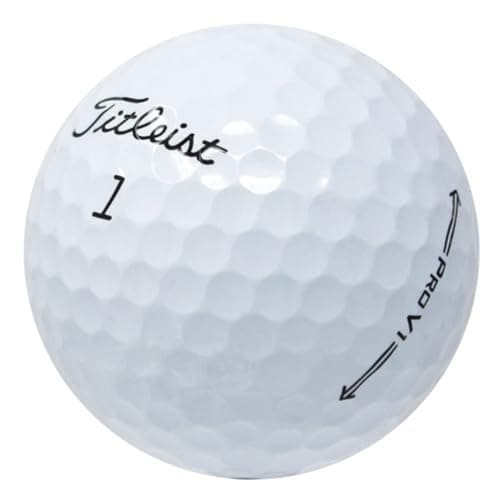
Titleist Titleist Pro V1
Titleist Pro V1

The best-selling ball in golf, and the benchmark. Worth it if — and only if — you can use what it does.

Low handicaps who genuinely use the spin
8.2
$47.99Amazon
04
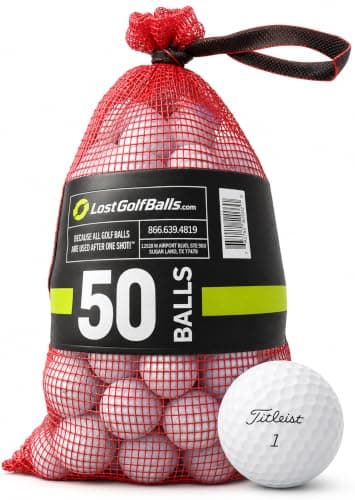
LostGolfBalls LostGolfBalls Titleist Pro V1 (Near Mint, 50-pack)
LostGolfBalls Titleist Pro V1 (Near Mint, 50-pack)

Fifty near-mint Pro V1s at roughly a dollar each. If you lose balls, this is how you stop caring that you lose balls.

Buying tour balls by the bucket
8.6
$62.50Amazon
05
LostGolfBalls LostGolfBalls Titleist Pro V1 (AAA, 12-pack)
LostGolfBalls Titleist Pro V1 (AAA, 12-pack)

A dozen genuine Pro V1s for roughly what a dozen entry-level new balls cost. The single biggest value trade available in golf balls.

Playing a tour ball for entry-ball money
8.4
$15.98Amazon

#ad · Live prices from the Amazon Product API, as of November 22, 2026. Where we have no verified live price, we show none — we would rather leave a gap than print a number that has rotted.

In detail

The picks, in full

01
Kirkland Signature Kirkland Signature Performance+ (V3.0)

The best value in golf, full stop

Kirkland Signature Performance+ (V3.0)

Urethane cover3-pieceTour-style spinSold by the 2-dozen
7.8/10

A urethane-covered tour-style ball at a price no tour ball comes close to. The value story of the whole category.

Feel
8
Distance
8
Greenside spin
6
Durability
7
Value
10

Pros

  • A soft urethane cover — the construction premium balls charge three times as much for
  • Sold two dozen at a time, so the per-ball cost is a fraction of a Pro V1
  • Full-swing spin is where it earns its keep: MyGolfSpy's 2026 ball test ranked the yellow version third of 48 balls for driver spin at the top speed tested, and top ten in every full-swing condition

Cons

  • Costco-exclusive at retail; Amazon listings are third-party and stock comes and goes
  • The color is not just a color: MyGolfSpy's 2026 test entered the white and yellow as separate balls because they come from different plants, and the white ranked 13th to 17th of 48 for full-swing spin in five of six conditions where the yellow ranked top ten
  • Greenside spin is no longer the standout it was — on MyGolfSpy's 2026 35-yard wedge test the white spun at ionomer-ball level, with the yellow about the same

Don't buy this if…

…you are buying it for greenside spin alone. The 2026 independent testing puts its wedge spin level with good ionomer balls, so a cheaper two-piece ball does that job for less — the Kirkland's case now rests on full-swing spin and the price per ball.

$39.99View on Amazon

Price as of November 22, 2026. Prices change — Amazon's is the one that counts.

#ad · we may earn a commission from this link to Kirkland Signature Performance+ (V3.0)

02
Srixon Srixon Q-Star Tour

Tour-ball spin without tour-ball price

Srixon Q-Star Tour

Urethane cover3-pieceTour-level spinMid compression
8.0/10

The value hunter's tour ball: a real urethane cover and tour-style spin for well under the Pro V1.

Feel
9
Distance
8
Greenside spin
9
Durability
6
Value
8

Pros

  • A genuine urethane cover, so greenside spin is a clear step up from the ionomer value balls
  • Meaningfully cheaper than the premium tour balls it competes with
  • Mid compression suits a wide range of swing speeds

Cons

  • Costs more than the pure value balls — this is the 'spend where it matters' upgrade
  • Urethane covers scuff faster than the tougher ionomer balls

Don't buy this if…

…you can't yet spin a wedge or don't play firm, fast greens. The urethane premium is wasted if your game can't use the spin — a soft ionomer ball is the smarter money.

$39.99View on Amazon

Price as of November 22, 2026. Prices change — Amazon's is the one that counts.

#ad · we may earn a commission from this link to Srixon Q-Star Tour

03
Titleist Titleist Pro V1

Low handicaps who genuinely use the spin

Titleist Pro V1

Cast urethane cover3-pieceTour spin + controlPremium price
8.2/10

The best-selling ball in golf, and the benchmark. Worth it if — and only if — you can use what it does.

Feel
10
Distance
9
Greenside spin
10
Durability
8
Value
4

Pros

  • The greenside spin and control ceiling every value ball is measured against
  • Consistency and quality that are genuinely a cut above
  • The complete package for a player who can compress it and control spin

Cons

  • Three to four times the price per ball of the value picks on this site
  • Most of what you pay for is inert below ~95 mph and without short-game precision

Don't buy this if…

…you lose more than a sleeve a round or can't yet spin a wedge on command. You're paying premium money for performance you can't cash in — that is the exact spend this whole site exists to redirect.

$47.99View on Amazon

$57.9917% off

Price as of November 22, 2026. Prices change — Amazon's is the one that counts.

#ad · we may earn a commission from this link to Titleist Pro V1

04
LostGolfBalls LostGolfBalls Titleist Pro V1 (Near Mint, 50-pack)

Buying tour balls by the bucket

LostGolfBalls Titleist Pro V1 (Near Mint, 50-pack)

Recycled Titleist Pro V1Near-mint grade50 ballsGraded and sorted
8.6/10

Fifty near-mint Pro V1s at roughly a dollar each. If you lose balls, this is how you stop caring that you lose balls.

Feel
9
Distance
9
Greenside spin
9
Consistency
7
Value
9

Pros

  • Near-mint grade means most of these look barely played
  • Fifty balls is roughly a season for most golfers, bought in one go
  • Per-ball cost lands below almost every new two-piece distance ball

Cons

  • Mixed model years within a pack, so feel varies slightly ball to ball
  • Fifty of one ball is a commitment if you decide you do not like it

Don't buy this if…

…you need every ball in a round to be identical. Mixed generations of Pro V1 are close but not the same — buy new if you are playing a tournament that matters.

$62.50View on Amazon

Price as of November 22, 2026. Prices change — Amazon's is the one that counts.

#ad · we may earn a commission from this link to LostGolfBalls Titleist Pro V1 (Near Mint, 50-pack)

05
LostGolfBalls LostGolfBalls Titleist Pro V1 (AAA, 12-pack)

Playing a tour ball for entry-ball money

LostGolfBalls Titleist Pro V1 (AAA, 12-pack)

Recycled Titleist Pro V1AAA / good condition12 ballsModel year stated
8.4/10

A dozen genuine Pro V1s for roughly what a dozen entry-level new balls cost. The single biggest value trade available in golf balls.

Feel
9
Distance
8
Greenside spin
9
Consistency
6
Value
10

Pros

  • A genuine urethane tour ball — the construction you cannot buy new at this price
  • The seller states the model year, so you know what generation you are getting
  • Cosmetic wear does not meaningfully change how a urethane cover performs

Cons

  • AAA condition means visible scuffs, logos and player marks
  • Balls that sat in water long enough can absorb moisture and lose a little distance

Don't buy this if…

…cosmetic condition matters to you. If a scuffed ball bothers you on the tee, pay for mint grade instead and skip the disappointment.

$15.98View on Amazon

$19.9920% off

Price as of November 22, 2026. Prices change — Amazon's is the one that counts.

#ad · we may earn a commission from this link to LostGolfBalls Titleist Pro V1 (AAA, 12-pack)

How we picked

We do not run a testing lab

We compiled the published specifications, did the cost-per-round and value math, and read the independent robot and launch-monitor data — then scored each product against a published rubric. The scores are judgments from documented research — they are not measurements we took, because we do not have a lab and we are not going to pretend we do. Where a number came from someone else's lab, we name them and link them in Sources.

Questions

Frequently asked

What are the best urethane golf balls?
For most golfers the Kirkland Signature Performance+, because it is a urethane three-piece ball sold two dozen at a time and the per-ball cost undercuts many two-piece balls. For greenside spin specifically, the Srixon Q-Star Tour new or a recycled Pro V1 used. The cheapest urethane cover you can play is a graded AAA recycled Pro V1.
Are urethane golf balls worth it?
Only if you hit enough partial wedge shots into greens to use the extra spin. On full shots the cover contributes very little, so a urethane ball will not out-drive a firm two-piece ball at amateur speed. If you lose several balls a round, the softer cover is also scuffing faster than an ionomer one.
What is the difference between urethane and ionomer golf balls?
Urethane is softer and grippier, so at low speed and high loft it deforms into the grooves and generates spin. Ionomer and Surlyn are harder and more slippery — cheaper to make, more scuff-resistant, and they skid slightly up the face on a wedge shot, which costs you spin and stopping power.
Does a urethane cover guarantee more greenside spin?
No. In MyGolfSpy's 2026 test the white Kirkland Performance+ — a urethane ball — spun at good-ionomer level on a 35-yard wedge shot. Cover material is necessary for high wedge spin but not sufficient; construction, cover thickness and manufacturing consistency all matter.
Are recycled urethane golf balls as good as new ones?
A near-mint graded ball plays essentially like a new one, because what degrades a urethane cover is surface damage rather than age. An AAA ball is visibly played and is the cheapest route into the cover; a deep scuff on the cover will cost you spin on the shot that scuff touches. Buy recycled, not refurbished — stripped and repainted balls are a different product.
Which is the cheapest urethane golf ball?
Per ball, a graded recycled Pro V1 in AAA condition. Among fresh balls, the Kirkland Signature Performance+, because it is sold by the two dozen. Live prices for all five picks, with the date they were checked, are in the Quick Picks table at the top of this page.

Keep reading

Receipts

Sources

We do not run a testing lab, and we do not pretend to. Where a measured number came from someone else's lab or robot, we name them and link them. Where we could not verify something, we say so on the page rather than quietly leaving it out. Read our full method.