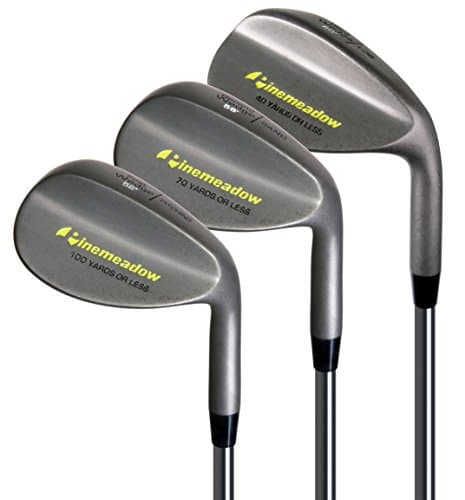
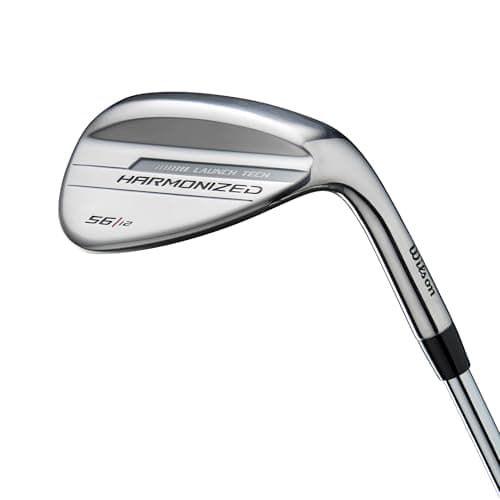
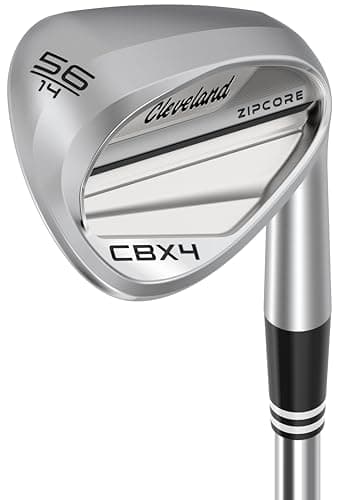
The Cleveland CBX4 ZipCore is the best wedge for a high handicapper: it is the only club in this field with a cavity-back head, which is the construction that keeps a thin or toe-side strike from dying ten yards short. Our budget pick is the Wilson Harmonized, the cheapest wedge here and still a proper teardrop-shaped club with a usable sole. If you need to fill several gaps in one purchase, the Pinemeadow 52/56/60 set does it for roughly what one branded wedge costs. The two blades at the bottom of this page are genuinely better clubs than the ones above them — for somebody else. Prices in the Quick Picks table are live from the price layer with their own “as of” date.
The two misses that decide this purchase
Wedge roundups are written around spin, because spin is measurable and photogenic. For a high handicapper that is the wrong variable, because spin is what happens on the shots you strike well, and the shots that cost you strokes are the ones you do not.
There are two of them, and a wedge can be built to help with both:
- The fat shot. The club enters the turf behind the ball. What saves you is bounce— the angle of the sole that stops the leading edge digging — and a wide sole that lets the head skid rather than stick. A tour wedge with a low-bounce, narrow-sole grind does the opposite, by design, because a good player wants to be able to dig.
- The thin shot. The leading edge catches the equator of the ball. What saves you is weight distributed away from the centre of the face, which is exactly what a cavity-back head does and what a blade does not. This is the same perimeter-weighting argument that makes game-improvement irons work, applied to the one club most golfers buy in a tour profile out of habit.
That is the whole ranking rule on this page. Forgiveness first, then sole and bounce, then spin — and spin only as a tiebreaker.
Cavity-back is the feature almost nobody shops for
Walk into any shop and the wedge wall is blades. There is a reason: wedges are the club golfers buy to feel like players, and a cavity-back wedge looks like an iron. Cleveland is one of the few makers that builds one for a mass audience and says out loud who it is for, describing the CBX family as being for mid and high handicappers who want spin without punishment.
The trade is real and we will not hide it. A cavity-back wedge is harder to open up and lay off for a flop shot, and the extra bounce that stops you digging also makes it harder to nip a ball cleanly off a tight, bare lie. If you play a links-style course in summer and your short game is built on low running chips off firm turf, the blade is the better club. If your course is soft and your bad chip is a chunk, the cavity back will save you more shots than the grind on a tour wedge will ever earn you.
Gapping: the mistake that costs more than the club
Before you buy a loft, work out which one you are missing. GOLF.com's Fully Equipped mailbag puts the modern pitching wedge at 43 to 46 degrees and the gap wedge at 46 to 52 — and modern game-improvement iron sets have strengthened their pitching wedge lofts without most owners noticing. That is how golfers end up with a 44-degree pitching wedge, a 56-degree sand wedge and a 40-yard hole in the middle of their short game.
The practical rule is four to six degrees between wedges. If your set pitching wedge is 44, a 50 or 52 is the next club, not a 56. This is the single biggest reason we rank a three-club set as highly as we do: 52, 56 and 60 degrees from one maker gives you consistent gaps, consistent shafts and consistent feel for about the price of one premium wedge, and for a golfer who is going to improve, that beats one perfect club and two gaps.
Our wedge loft chart has the full loft-by-loft breakdown and typical carry distances if you want to check your own gaps before spending anything.
What you do not need to pay for
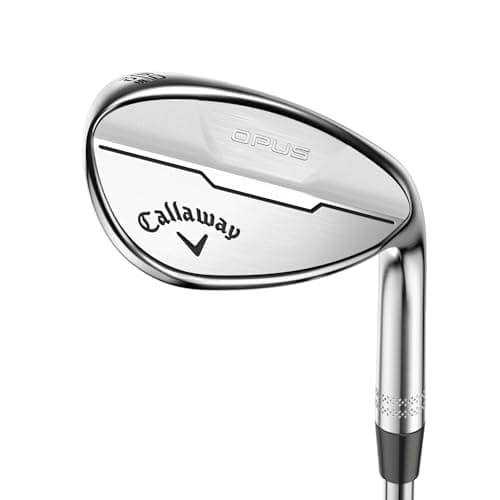
Grind options.A tour wedge lineup offers multiple sole grinds so a fitter can match the sole to your attack angle and your turf. That is a real benefit to a player with a repeatable delivery. If your low point moves around — and at a high handicap it does — a mid-bounce, medium-width sole is the right answer and the grind chart is noise. The Callaway Opus is a terrific club with a full grind lineup, and we rank it fourth here for exactly that reason.
The newest groove technology.Grooves wear, and the wear matters more than the generation. Plugged In Golf's wedge-wear testing found dry performance from new wedges virtually unchanged after 1,000 pitches and 1,000 full swings, but wet-face spin down 5 to 20 percent — and a brand-new wedge losing about 30 percent of its full-swing spin from a single spray of water on the face. Bunker shots did the real damage: over 700 rpm of full-swing spin lost after 500 bunker shots. The lesson is not “buy the newest grooves”, it is “dry the face and do not practise bunker shots with your gamer”.
A wedge-specific shaft. Every club on this page ships with a steel shaft, which is what a wedge should have. Nobody at this price is selling you an upgrade you need.
Published specs, side by side
| Pick | Head | Lofts available | Sole / grind | Who it is built for |
|---|
| Cleveland CBX4 ZipCore | Cavity-back | Full range | Loft-matched sole grind | Mid and high handicappers (maker's own wording) |
| Pinemeadow 3-Wedge Set | Oversized face area | 52 / 56 / 60 as a set | Not published | Filling three gaps at once |
| Wilson Harmonized | Classic teardrop | 52 / 56 / 60 | Not published | The cheapest wedge worth owning |
| Callaway Opus | Blade, higher toe | Full range | Full grind lineup | Players who shape wedge shots |
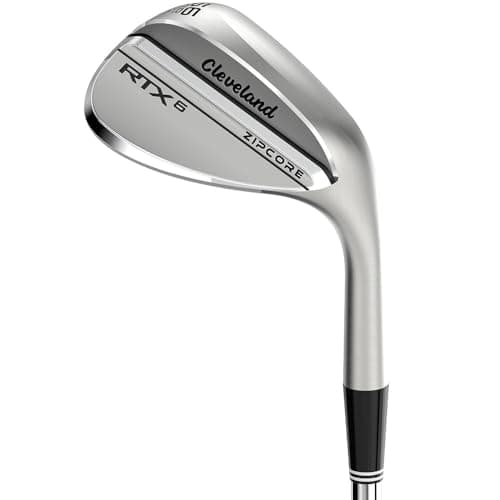
| Cleveland RTX 6 ZipCore | Blade | Full range | Multiple sole grinds | Good wedge players buying last season |
The honest gap: neither of the two cheapest clubs here publishes a bounce angle at all. That is normal in the value bracket and it is a real disadvantage — it means you are buying a sole you cannot read in advance. The two Clevelands and the Callaway publish grind and sole information, which is part of why they sit where they do.
What we would actually buy
The CBX4 in a 56 if you own one wedge, or a 52 and a 56 if your set pitching wedge is strong. It is the only genuinely forgiving wedge in the field and it costs a fraction of a tour wedge. The Pinemeadow 52/56/60 set if you have three gaps and one budget — consistent gapping beats one better club. The Wilson Harmonized if you want a sand wedge for the price of a sleeve of balls, and in that case buy it and spend the difference on practice.
Then stop. A wedge is the cheapest scoring club in the bag and the one where technique beats equipment by the widest margin. If you have a chipping problem rather than a wedge problem, our best golf chippers page covers the single club that is built to remove the chunked chip entirely, and our best wedges ranking is the value-first read on the same field if forgiveness is not your constraint.